Water Damage at Home – What Should Be Fixed First?

Water Damage at Home – What Should Be Fixed First?
Water damage can happen suddenly – after a burst pipe, a leaking roof, or heavy rain from a summer storm – and the consequences can be serious if you don’t act quickly. Water seeps into even the smallest cracks, spreading through walls, floors, and fittings. But where should you start when disaster strikes? Here’s a guide to what should be fixed first and how to limit the damage in your Australian home.
Stop the water and find the source
The first step is always to stop the water. Turn off the main water supply if a pipe has burst, or cover the affected area if the water is coming from outside. The faster you stop the flow, the smaller the damage will be.
Next, identify the cause. Is it a broken pipe, a leaking roof, a faulty washing machine, or stormwater entering through poor drainage? The cause determines how you should proceed – and who to contact, such as your insurance company, a licensed plumber, or a roofing specialist.
Læs også:

Remove water and start drying
Once the water source is under control, remove as much water as possible. Use a wet/dry vacuum, towels, or mops, and make sure the area is well ventilated. If there’s a large amount of standing water, call a professional restoration service. They have pumps, moisture meters, and drying equipment to handle the job safely.
Then, dry the area thoroughly. This can take days or even weeks, depending on the extent of the damage. Use dehumidifiers and fans, and keep windows open when weather allows. It’s crucial that materials are completely dry before you start repairs – otherwise, you risk mould growth and further structural damage.
Prioritise the most vulnerable materials
Some materials are more sensitive to water than others. Timber floors, plasterboard walls, and insulation are particularly vulnerable because they absorb moisture and can lose strength or develop mould. These should be repaired or replaced first.
- Floors: Remove carpets and underlay to allow moisture to escape. If timber boards have started to warp, they may need replacing.
- Walls: Water-damaged plasterboard should be cut out and replaced. Moisture can travel upward, so check the full height of the wall before repainting.
- Insulation: Wet insulation loses its effectiveness and can harbour mould. Replace it to maintain energy efficiency and indoor air quality.
Check electrical and mechanical systems
Water and electricity are a dangerous mix. If there’s any chance that water has reached power points, switchboards, or electrical appliances, turn off the power at the main switch and call a licensed electrician. The same goes for air conditioning units, hot water systems, or solar inverters that may have been exposed to moisture – don’t switch them back on until they’ve been inspected.
Look for hidden damage
Even when surfaces appear dry, moisture can remain trapped inside walls, floors, or ceilings. Use a moisture meter or hire a professional to perform a moisture inspection. Hidden dampness can lead to mould, which is both a health hazard and expensive to remove later. It’s better to be thorough now than to face another repair down the track.
Contact your insurer early
Most Australian home insurance policies cover water damage, but the level of cover depends on the cause. Take photos of the damage and contact your insurer as soon as possible. They can advise on next steps and may send an assessor to inspect the property. Many insurers also work with restoration companies that can help with both repairs and documentation.
Prevent future damage
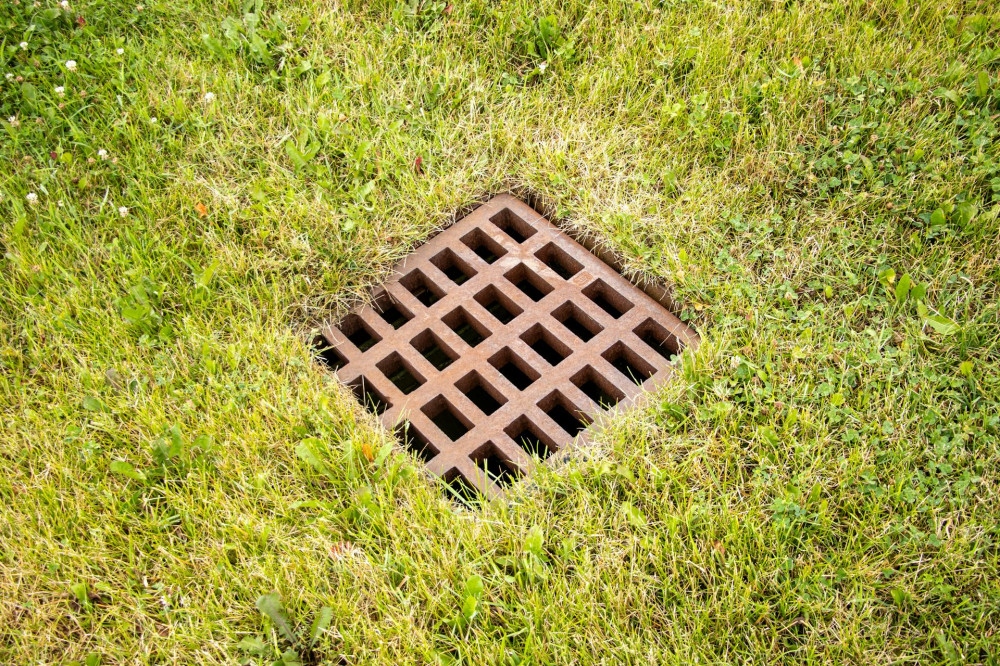
Once repairs are complete, take steps to prevent future problems. Clean gutters and downpipes regularly, check roof flashing and seals, and ensure stormwater drains are clear. If your home is in a flood-prone area, consider installing flood barriers or raising electrical outlets. A leak detector near your washing machine or water heater can also provide early warning of leaks.
Quick action saves money and stress
Water damage can feel overwhelming, but a fast and organised response makes all the difference. Stop the water, remove the moisture, and focus first on the materials most at risk. The sooner you act, the less it will cost – and the sooner your home will be safe, dry, and comfortable again.
Læs også: