Avoid Sewage Odours in Your Home

Avoid Sewage Odours in Your Home
A foul smell coming from your drains or plumbing can quickly spread through your home and make everyday life unpleasant. In most cases, the problem is caused by small faults in the drainage system, dried-out traps, or a lack of maintenance. Fortunately, with a few simple steps, you can prevent and eliminate these odours. Here’s a practical guide for Australian homeowners on how to keep your plumbing system healthy and odour-free.
Why Do Sewage Odours Occur?
Sewage odours usually come from gases escaping through the drainage system. These gases contain sulphur compounds that smell like rotten eggs. When everything is working properly, water traps and sealed pipe joints prevent the gases from entering your home. But if something goes wrong, the smell can find its way indoors.
Common causes include:
- Dried-out water traps – especially in drains that are rarely used, such as in guest bathrooms, garages, or outdoor areas.
- Leaking joints – small cracks or loose seals can allow odours to escape.
- Blocked drains – build-up of grease, hair, and soap scum can cause bacterial growth and bad smells.
- Ventilation issues – if the vent pipe on your roof is blocked by leaves, bird nests, or debris, pressure changes can push odours up through the drains.
Check and Maintain Water Traps
The water trap (or P-trap) is your first line of defence against sewer gases. It holds a small amount of water that acts as a barrier. If the trap dries out, the barrier disappears and odours can rise into your home.
- Pour a little water into drains that aren’t used often.
- Add a small amount of cooking oil on top of the water to slow evaporation, especially in hot or dry climates.
- Clean the trap a few times a year to remove grease and debris. You can easily unscrew it and rinse it under running water.
Keep Your Drains Clean
Clean drains rarely smell. However, grease, food scraps, and hair can quickly build up and cause both odours and blockages.
- Pour boiling water down the kitchen sink once a week to dissolve grease.
- Avoid pouring oil, coffee grounds, or food waste down the sink – dispose of them in the bin instead.
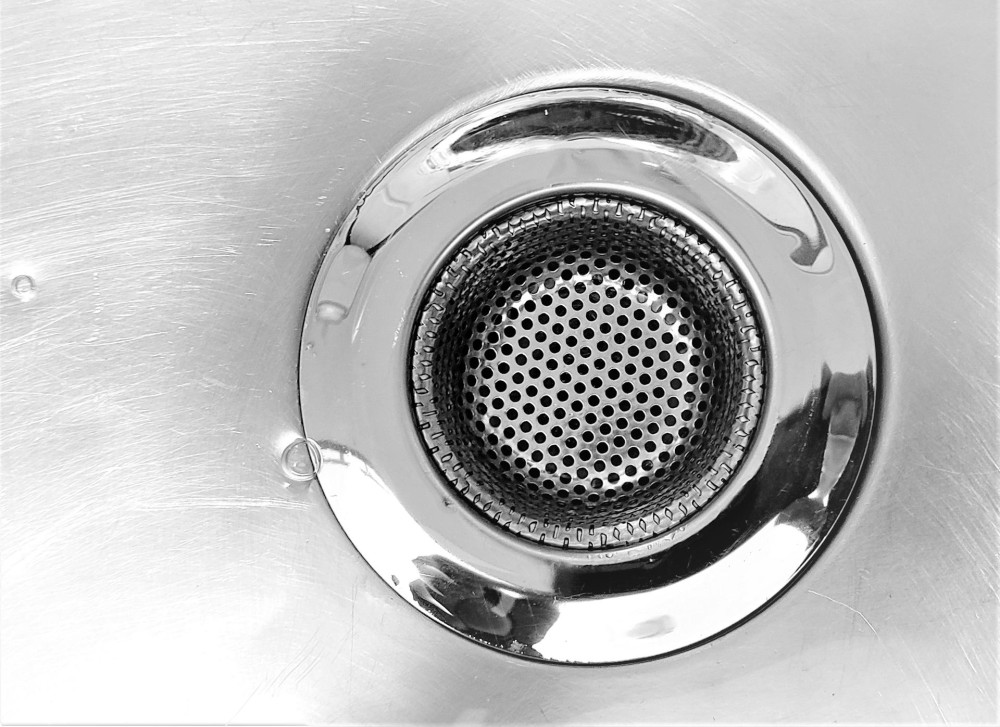
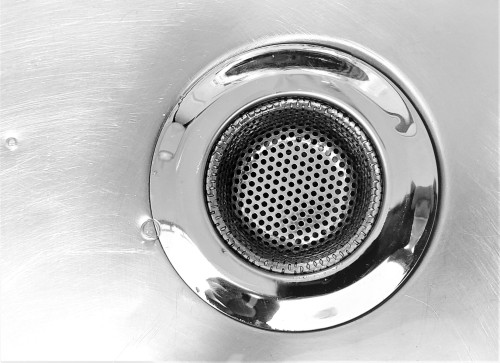
- Use a drain strainer to catch hair and larger particles.
- If a smell has already developed, pour a mixture of baking soda and vinegar into the drain, let it fizz, and then flush with hot water.
Ensure Proper Ventilation
A well-functioning plumbing system needs to “breathe.” The vent pipe on your roof allows air to move through the system and prevents pressure from sucking water out of traps. If the vent is blocked, you may notice gurgling sounds or persistent odours.
Check regularly that the vent pipe is clear of leaves, dirt, or nests. If you live in an apartment or townhouse, contact your building manager or strata if you suspect a ventilation issue.
Læs også:

Pay Attention to Floor Drains and Outdoor Areas
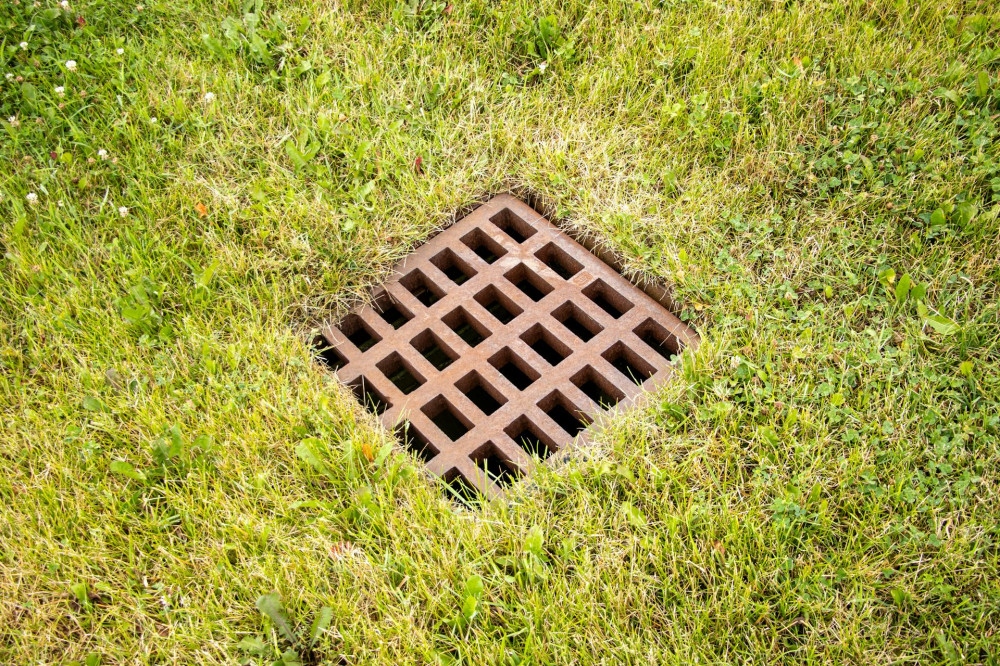
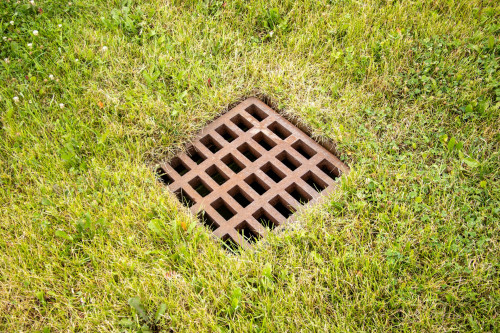
Floor drains in laundries, garages, and patios are often overlooked because they’re used infrequently. In Australia’s warm climate, these drains can dry out quickly, allowing odours to escape.
- Pour water into floor drains every month.
- If the smell persists, check whether the trap is damaged or leaking.
- In older homes, it may be necessary to replace worn-out drain components to ensure a proper seal.
When to Call a Professional
If the odour continues despite cleaning and maintenance, there may be a more serious issue – such as a cracked pipe, a broken trap under the floor, or a problem with the main sewer connection. In that case, contact a licensed plumber. They can perform a smoke test or camera inspection to locate the source of the smell.
While it may seem like an extra expense, a professional inspection can prevent larger problems and protect your home from water damage and health risks.
A Healthy Plumbing System Means a Fresher Home
A well-maintained drainage system isn’t just about comfort – it also affects indoor air quality and hygiene. By keeping traps filled, cleaning drains regularly, and ensuring proper ventilation, you can avoid most sewage odours and extend the life of your plumbing.
Small habits make a big difference: a little water in unused drains, a weekly flush with hot water, and attention to any changes in smell or sound. With these simple steps, you can enjoy a fresh, clean, and comfortable home all year round.
Læs også: