Rats in the sewer? How to deal with the problem safely and effectively

Rats in the sewer? How to deal with the problem safely and effectively
Finding out that rats might be living in your sewer system is enough to make any homeowner uneasy – and for good reason. These pests can damage pipes, spread disease, and even find their way into your home. But with the right knowledge and a few practical steps, you can manage the problem safely and effectively. Here’s a guide tailored for Australian households on how to detect, prevent, and deal with sewer rats.
How to spot signs of rats
Rats are nocturnal and secretive, but they leave behind clear evidence of their presence. Keep an eye (and ear) out for these signs:
- Scratching or scurrying sounds coming from drains, walls, or under floors.
- Burrows or holes near drain covers, garden beds, or the house foundation.
- Droppings – small, dark pellets about 1–2 cm long, often found near sewer openings or sheds.
- A strong ammonia-like smell caused by rat urine.
- Gnaw marks or damage on pipes, cables, or drain fittings.
If you notice one or more of these signs, act quickly. The sooner you respond, the easier it is to stop the infestation from spreading.
What to do first
In Australia, rats are considered a public health risk, and local councils take infestations seriously. If you suspect rats in your sewer or property:
- Contact your local council or a licensed pest control professional. Many councils provide advice or inspection services, and only licensed pest controllers are allowed to use certain rodenticides.
- Avoid using poison or traps in the sewer yourself. Incorrect use can harm native wildlife, contaminate waterways, or make the problem worse.
- Seal entry points around drains, vents, and pipe openings to prevent rats from moving between the sewer and your home.
Preventing rats in the sewer
Prevention is the most effective way to protect your home. Here are some key steps:
- Install a rat barrier or one-way valve in your sewer line. These devices stop rats from travelling from the public sewer into your private pipes.
- Maintain your plumbing and drainage. Cracked or broken pipes are open doors for rats. Have a licensed plumber carry out a CCTV drain inspection if you suspect damage.
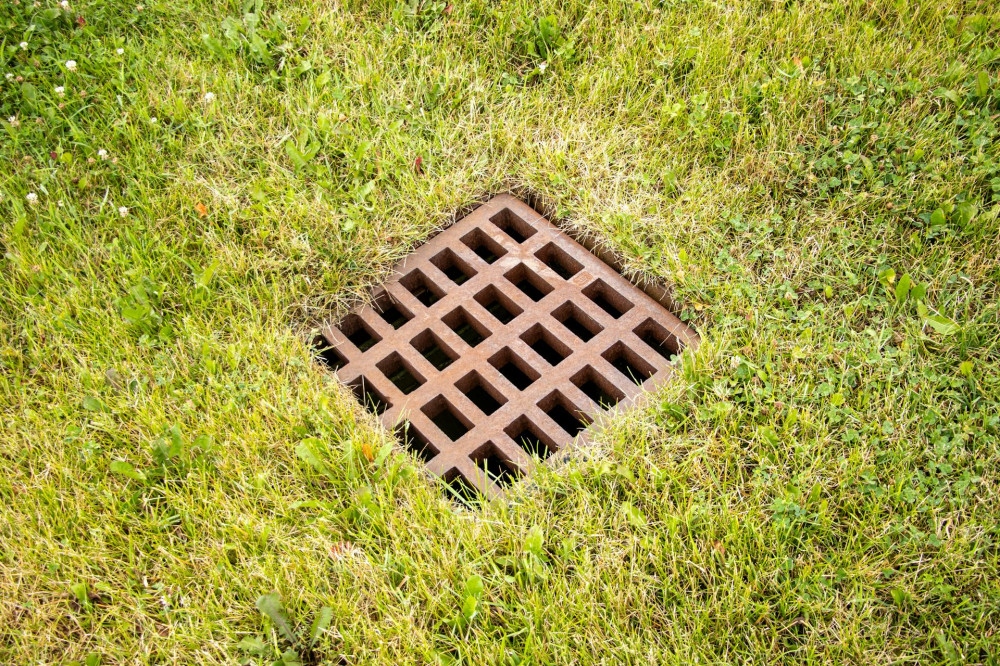
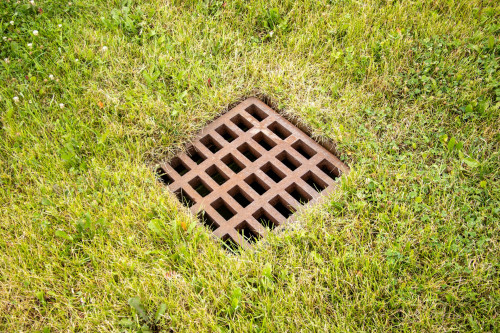
- Keep drain covers and grates secure. Replace any that are loose or corroded.
- Dispose of food waste properly. Never pour fats, oils, or food scraps down the sink – they attract rats and block drains.
- Keep your yard tidy. Remove rubbish, pet food, and dense vegetation near the house to reduce hiding spots.
Læs også:
If rats have entered your home
If you hear scratching in the walls or find droppings indoors, act immediately. Seal visible holes around pipes, vents, and floor drains using metal mesh or cement – rats can chew through plastic and wood but not metal.
Avoid using poison inside the house. Dying rats can end up in walls or under floors, causing odours and attracting insects. A licensed pest controller can safely set traps or use approved baits in the right locations.
When to call a plumber
If you suspect the rats are entering through damaged sewer pipes, a licensed plumber can help. Using a camera inspection, they can locate cracks or breaks and repair them before the problem worsens.
Some home insurance policies cover damage caused by vermin or sewer faults, but you’ll usually need documentation from a qualified tradesperson. Getting a professional inspection can save you time, money, and stress in the long run.
Peace of mind through maintenance
Rats in the sewer don’t mean your home is unclean – they can appear anywhere, from city suburbs to rural properties. Regular maintenance, a secure sewer system, and quick action at the first sign of trouble are the best ways to protect your home.
Think of your drains as part of your home’s foundation: out of sight, but vital to your health and comfort. A little attention now can prevent a much bigger problem later.
Læs også: