Use the Technician’s Recommendations to Plan Future Maintenance

Use the Technician’s Recommendations to Plan Future Maintenance
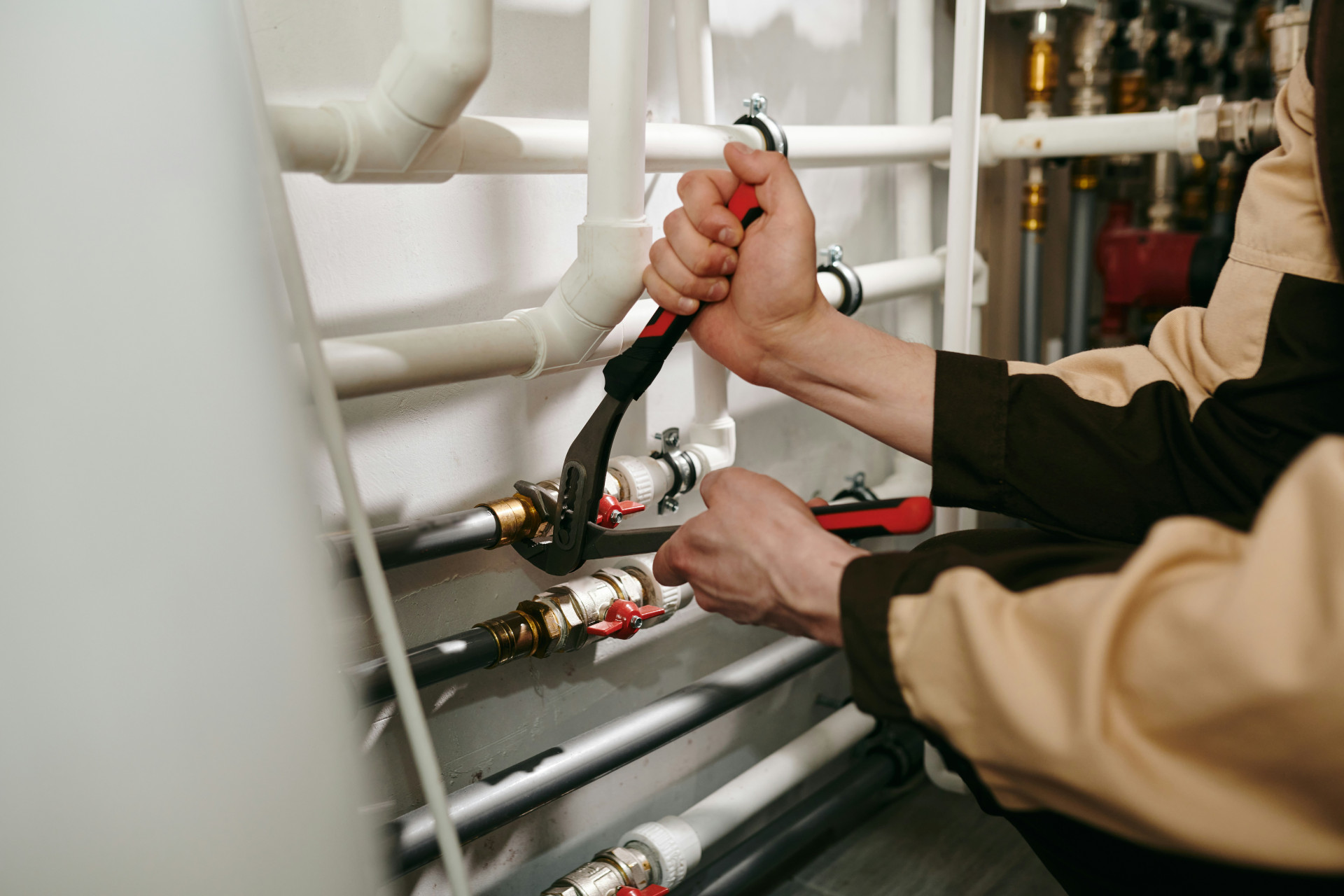
When a technician visits to service your air conditioning, hot water system, or solar setup, the appointment isn’t just about making sure everything works today. It’s also a valuable opportunity to plan ahead. A qualified technician can identify early signs of wear, inefficiency, or parts nearing the end of their lifespan. By using their recommendations proactively, you can save time, money, and stress in the long run.
Listen to the Technician’s Assessment – and Ask Questions
After the service, you’ll usually receive a written or verbal report outlining the technician’s findings and suggestions. These might range from minor adjustments to advice about replacing components. Take the time to review the report carefully and ask questions if anything is unclear.
- What does it mean if a part “should be replaced within a year”?
- What are the risks of waiting?
- Are there cost-effective alternatives that could extend the system’s life?
The better you understand the technician’s assessment, the easier it is to prioritise what needs attention and when.
Create a Maintenance Plan
A clear maintenance plan helps prevent unexpected breakdowns. Use the technician’s recommendations as the foundation for a simple plan covering the next one to three years.
Your plan might include:
- Annual servicing – schedule a date so it doesn’t slip your mind.
- Replacement of worn parts – such as filters, pumps, or valves that are nearing the end of their service life.
- Cleaning and adjustments – small tasks that can improve efficiency and reduce energy use.
Having everything documented in one place gives you a clear overview and helps you budget for upcoming expenses.
Prioritise by Importance and Cost
Not every recommendation is equally urgent. Some relate to safety, others to comfort or efficiency. Ask your technician to highlight which items are critical, important, or can wait.
This makes it easier to plan, especially if you need to spread costs over time. A prioritised list also helps if you’re sharing decisions with other household members or a property manager.
Keep Records – It Pays Off
Hold on to service reports, invoices, and any photos of replaced parts. It might seem minor, but proper documentation is invaluable if you ever sell your home or need to prove that maintenance has been carried out correctly.
Manufacturers often require service records to maintain warranty coverage. Whether you keep a physical folder or a digital file, having everything organised makes it easy to track your system’s history.
Use the Technician’s Expertise to Improve Efficiency
Experienced technicians can offer practical advice on how to get the most from your system day to day. This might include adjusting settings, changing usage habits, or adopting energy-saving measures suited to Australia’s climate.
Ask questions like:
- Can I adjust the thermostat or timer to reduce energy use without losing comfort?
- Are there features in the system I’m not using effectively?
- What signs should I watch for between services?
These insights can make a noticeable difference to both performance and running costs.
Think Long-Term – Plan Replacements Early
Even the best-maintained system has a finite lifespan. If your technician advises that your equipment is nearing the end, start planning for replacement early. This gives you time to research new technologies, check for government rebates, and choose the most efficient and cost-effective option for your home.
By using the technician’s recommendations as a guide, you can avoid last-minute decisions and make well-informed choices when the time comes.
Læs også:
Maintenance as an Investment
Following your technician’s advice isn’t just about preventing problems – it’s an investment in comfort, safety, and financial peace of mind. A well-maintained system runs more efficiently, lasts longer, and delivers fewer unpleasant surprises.
So next time your technician visits, take a few minutes to review their report and map out a plan. It’s a small effort that can bring lasting benefits to your home and your budget.
Læs også: