Test your electric heater’s thermostat: How to check if it’s working properly

Test your electric heater’s thermostat: How to check if it’s working properly
An electric heater is a handy and flexible way to keep your home warm – especially in rooms without ducted heating or where you just need a bit of extra warmth. But if the thermostat isn’t working properly, it can affect both your comfort and your power bill. A faulty or inaccurate thermostat can cause the heater to run too much or not enough. Fortunately, you can test it yourself, and in many cases, fix the problem. Here’s a simple guide to help you check whether your heater’s thermostat is doing its job.
Understand how the thermostat works
The thermostat is the control centre of your electric heater. It measures the room temperature and switches the heating element on or off to maintain the temperature you’ve set. For example, if you set it to 22°C, the thermostat will automatically regulate the power to keep the room around that temperature.
There are two main types of thermostats:
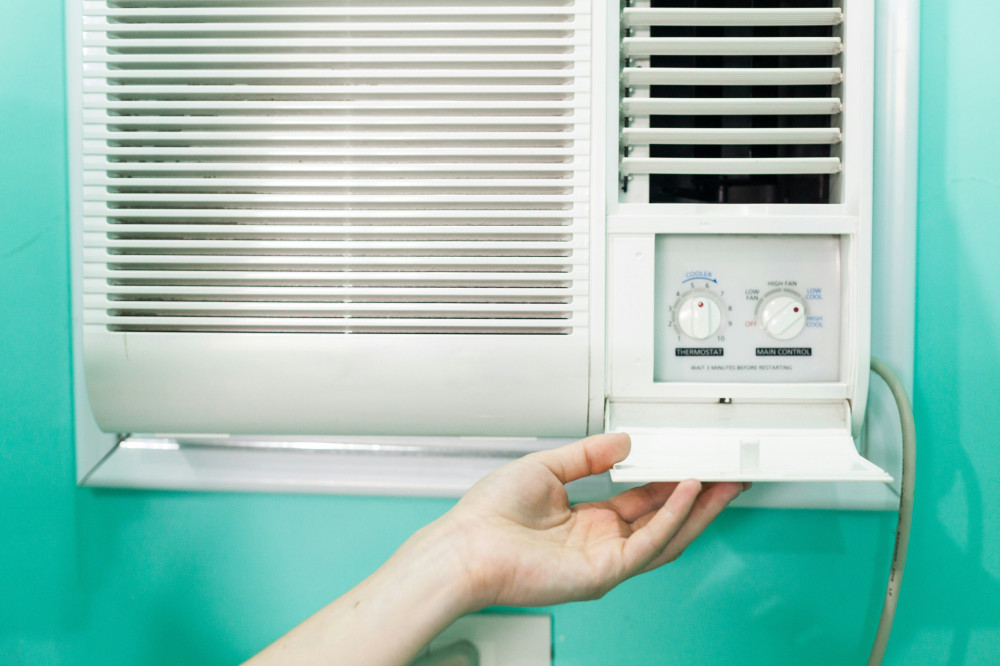
- Mechanical thermostats, which use a bimetal strip or gas-filled sensor to detect temperature changes. They’re simple but can become less accurate over time.
- Electronic thermostats, which use digital sensors and often display the temperature on a screen. They’re more precise and respond faster to changes.
No matter the type, the thermostat must be able to sense the room temperature accurately to work effectively.
Step-by-step: How to test your thermostat
You don’t need any special tools to test your heater’s thermostat – just a bit of patience and a reliable room thermometer.
-
Set the thermostat Turn the thermostat to a specific temperature, such as 22°C. Make sure the heater is placed where air can circulate freely around it.
-
Measure the room temperature Place a thermometer in the middle of the room – not right next to the heater or a window. Wait 15–20 minutes, then check the reading.
-
Observe the heater’s response If the room temperature is below the set temperature, the heater should be on. Once the room reaches the set temperature, it should switch off. You can often hear a click when the thermostat turns the heater on or off.
-
Compare the readings If there’s more than a 2–3°C difference between the set temperature and the actual room temperature, the thermostat may be inaccurate or faulty.
-
Repeat the test Try adjusting the thermostat a few degrees up or down and see if the heater responds. If nothing happens, the thermostat may not be detecting temperature changes correctly.
Common causes of thermostat problems
If your thermostat isn’t working properly, it could be due to several factors:
- Dust or dirt around the sensor, preventing accurate readings.
- Poor placement, such as being too close to a heat source, direct sunlight, or electronics that give off heat.
- Wear and tear, especially in older mechanical models.
- Electrical faults in the heater itself, preventing it from responding to the thermostat’s signals.
Gently clean the thermostat with a dry cloth and make sure it’s not covered by curtains or furniture. Sometimes, that’s all it takes to restore proper function.
When to replace the thermostat
If you’ve tested the thermostat and it still doesn’t respond correctly, it might be time for a replacement. Many electric heaters have replaceable thermostats that can be purchased separately. If your heater is quite old, however, it may be more cost-effective to replace the entire unit – modern models are often more energy-efficient and come with precise electronic thermostats.
Always switch off the power before replacing any parts, and follow the manufacturer’s instructions. If you’re unsure, contact a licensed electrician.
Getting the most out of your electric heater
A working thermostat is just one part of efficient heating. To get the best performance and keep your electricity use down, you can also:
- Position the heater correctly – ideally under a window or in a spot where it can evenly distribute warmth.
- Use timers or smart controls – many modern heaters can be programmed to lower the temperature overnight or when you’re out.
- Improve insulation – draughty windows and doors make your heater work harder.
- Consider an external room sensor – this can provide more accurate temperature control in larger spaces.
Læs også:
A small effort with big benefits
Testing your electric heater’s thermostat takes only about half an hour, but it can save you hours of wasted heating – and money on your power bill. A properly working thermostat ensures both comfort and efficiency, making it one of the simplest ways to optimise your home’s warmth during the cooler months.
Læs også: