Clean Your Thermostats for Accurate Temperature Control


Clean Your Thermostats for Accurate Temperature Control
If your air conditioning or heating system isn’t keeping your home as comfortable as it used to, or if the temperature seems to fluctuate for no reason, your thermostats might need a bit of attention. Over time, dust, grime, and even insects can build up inside or around thermostats, affecting their ability to sense temperature accurately. A simple clean can make a big difference — improving comfort, reducing energy use, and helping your system run more efficiently. Here’s how to keep your thermostats in top shape for reliable temperature control in your Australian home.
Why Cleaning Your Thermostats Matters
Your thermostat is the control centre of your heating and cooling system. It measures the room temperature and signals your air conditioner, heat pump, or heater to turn on or off. When dust or dirt covers the sensor or gets inside the casing, the thermostat can misread the temperature. This can lead to your system running longer than necessary or switching off too soon — wasting energy and leaving you uncomfortable.
Regular cleaning helps your thermostat respond accurately to temperature changes. It’s especially important before the start of summer or winter, when your system will be working hardest to keep your home comfortable.
Læs også:
Step-by-Step: How to Clean Your Thermostats
You don’t need special tools or technical skills to clean a thermostat. Just follow these simple steps:
- Turn off the power – Switch off your air conditioning or heating system at the main control panel to stay safe while cleaning.
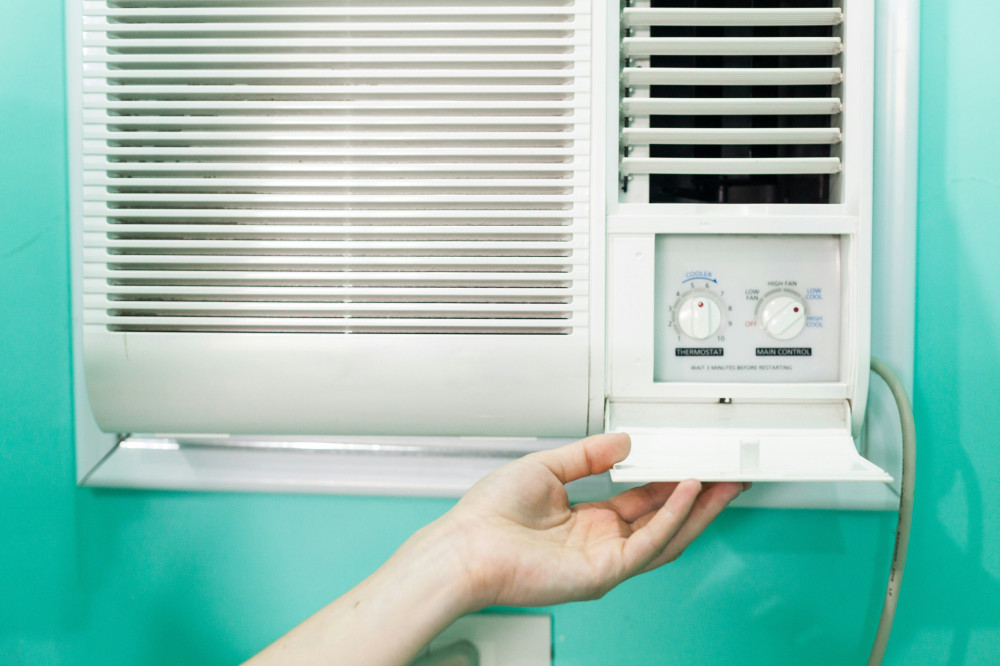
- Remove the thermostat cover – Most covers can be gently pulled or unclipped. If you’re unsure, check the manufacturer’s instructions.
- Dust the interior – Use a soft brush, a dry microfibre cloth, or a can of compressed air to remove dust and debris from the sensor and internal components. Avoid using water or cleaning sprays, as moisture can damage the electronics.
- Clean the exterior – Wipe the outside of the thermostat with a slightly damp cloth to remove fingerprints and surface dust.
- Reattach the cover and restore power – Once everything is clean and dry, put the cover back on and turn the system back on. Check that the thermostat responds correctly when you adjust the temperature.
This quick maintenance task usually takes less than 10 minutes and can immediately improve your system’s performance.
Signs Your Thermostat Needs Attention
Even with regular cleaning, thermostats can wear out over time. Look out for these signs that it might need servicing or replacement:
- The temperature in your home doesn’t match the thermostat setting.
- Your air conditioner or heater cycles on and off too frequently.
- The display is dim, unresponsive, or shows error messages.
- You notice higher energy bills without a change in usage.
If you experience any of these issues, it may be worth calling a licensed technician to inspect your system. A faulty thermostat can waste energy and reduce comfort.
Prevent Problems with Regular Maintenance
To keep your thermostat working smoothly year-round:
- Dust around the thermostat regularly, especially if you live in a dusty or coastal area.
- Keep curtains, furniture, and appliances away from the thermostat so it can sense the room temperature accurately.
- Test your thermostat at the start of each season to ensure it’s responding properly.
- If you have an older mechanical thermostat, consider upgrading to a digital or smart model for more precise control and energy savings.
These small habits can help prevent issues and keep your home comfortable through both scorching summers and cool winter nights.
Get the Most from Your Climate Control System
A clean, well-functioning thermostat helps your air conditioning and heating system run efficiently, saving energy and money. In Australia’s variable climate — from humid coastal regions to dry inland areas — accurate temperature control is key to maintaining comfort without overworking your system.
Whether you’re using a split system, ducted air conditioning, or a reverse-cycle unit, keeping your thermostats clean ensures your home stays at the perfect temperature all year round.
Læs også: