The Evolution of Energy Requirements in Roofing Legislation Over Time

The Evolution of Energy Requirements in Roofing Legislation Over Time
Energy efficiency has become one of the defining themes in modern Australian construction. Where roofs once served primarily to shield homes from the sun and rain, they are now expected to contribute actively to a building’s overall energy performance. The evolution of energy requirements in roofing legislation reflects Australia’s growing environmental awareness, advances in building technology, and national commitments to reducing greenhouse gas emissions.
From Weather Protection to Energy Efficiency
In the mid-20th century, Australian roofing standards focused mainly on durability and weather resistance. Corrugated metal and terracotta tiles dominated, and insulation was minimal or absent in many homes. With cheap energy and little public concern about heat loss or gain, there were few regulatory incentives to improve thermal performance.
The oil crises of the 1970s, however, changed the conversation. Rising energy costs and global awareness of resource scarcity prompted governments to consider energy efficiency in building design. In Australia, this shift led to the first national discussions about minimum insulation levels and the role of building envelopes—including roofs—in reducing energy consumption.
1980s and 1990s: The Rise of Thermal Standards
By the 1980s, state-based building codes began to include basic thermal performance requirements. Roof insulation became more common, particularly in cooler regions such as Victoria and Tasmania. The introduction of the Nationwide House Energy Rating Scheme (NatHERS) in the 1990s marked a turning point. For the first time, residential buildings were assessed on their overall energy performance, with the roof playing a key role in determining a home’s star rating.
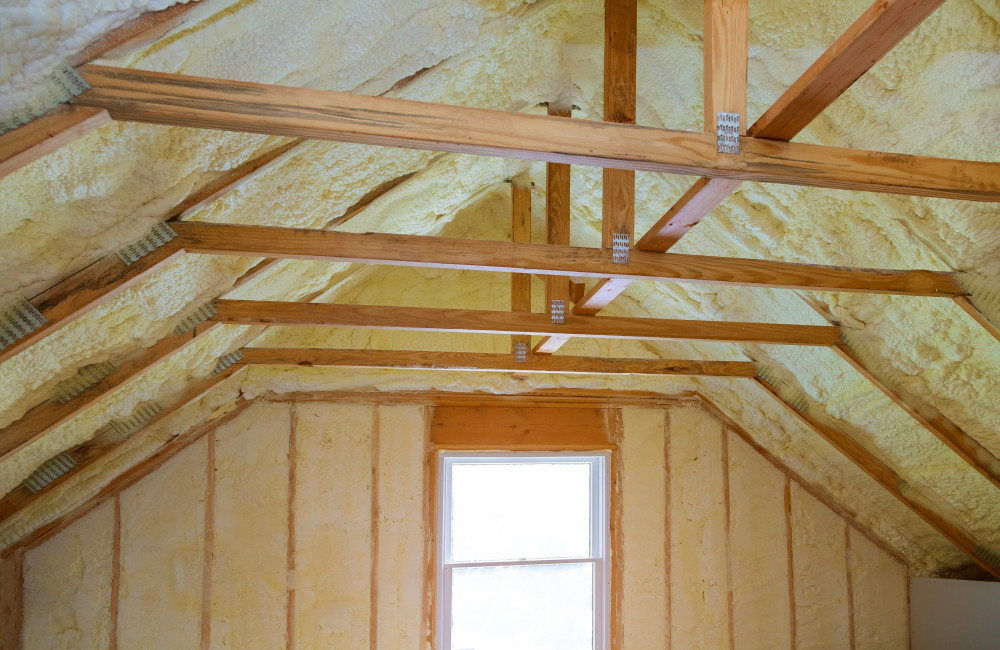
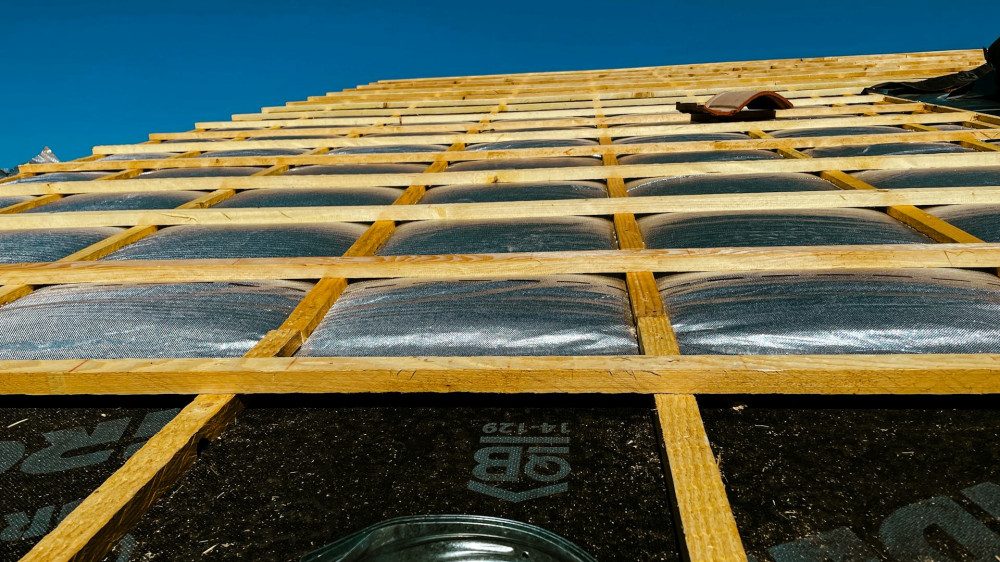
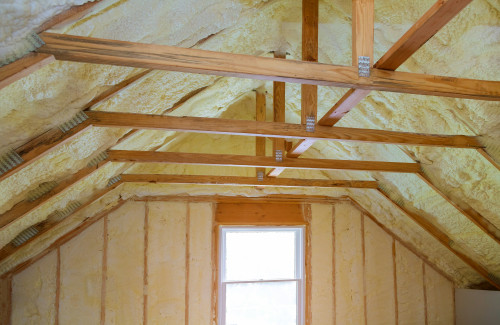
Advances in insulation materials—such as reflective foil, glass wool, and rigid foam boards—helped builders meet these new standards. The focus expanded from simply adding insulation to designing roof systems that managed both heat gain and ventilation, crucial in Australia’s diverse climates.
2000s: National Codes and Integrated Energy Performance
The early 2000s saw the introduction of the Building Code of Australia (BCA) as a unified national framework. Energy efficiency provisions were progressively strengthened, culminating in the 2006 inclusion of Section J, which set minimum energy performance standards for both residential and commercial buildings.
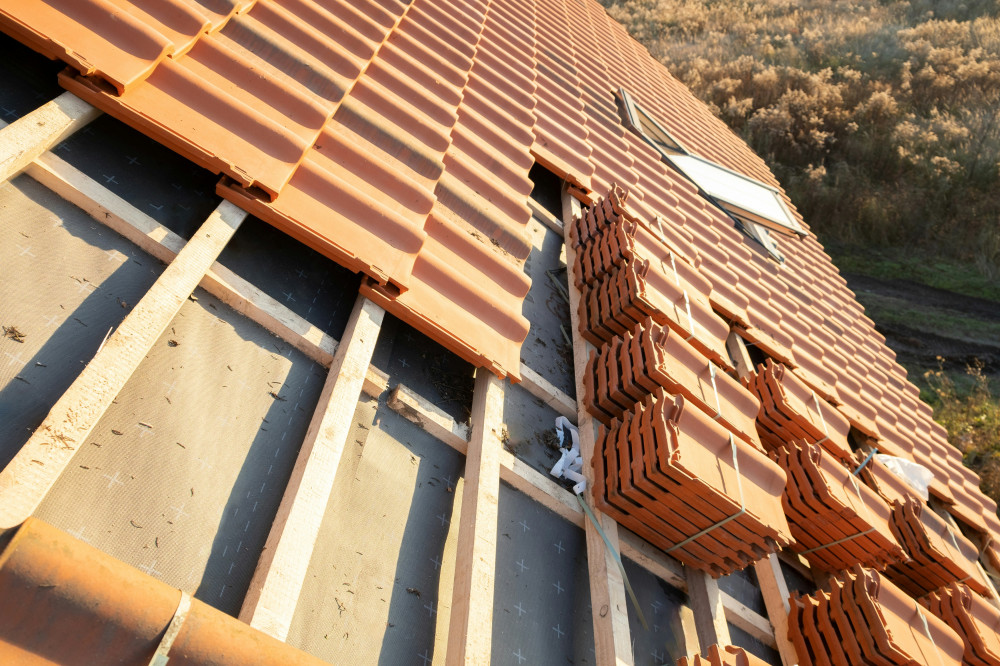
For roofing, this meant stricter requirements for insulation R-values, reflective surfaces, and thermal bridging control. Metal roofs with high solar reflectance became popular in hot regions, while cool-roof coatings and ventilated roof spaces were encouraged to reduce cooling loads. The emphasis shifted from isolated components to the building’s total energy performance, aligning with global trends toward holistic sustainability.
2010s: Towards Low-Energy and Sustainable Buildings
During the 2010s, Australia’s energy efficiency agenda accelerated. The National Construction Code (NCC) updates in 2010, 2016, and 2019 progressively tightened energy requirements, aiming for buildings that use less energy for heating and cooling. Roofs were now expected not only to insulate effectively but also to contribute to passive design strategies—such as shading, ventilation, and solar energy generation.
Sustainability certifications like Green Star and NABERS further encouraged the use of environmentally responsible roofing materials, including recycled metal, sustainably sourced timber, and green roof systems. Solar panels became a common feature, supported by government incentives and falling technology costs.
2020s: Net Zero and Climate-Responsive Design
Today, Australia’s building legislation is increasingly shaped by the goal of achieving net zero emissions by 2050. The 2022 update to the NCC introduced higher energy efficiency standards and a stronger focus on thermal comfort. Roofs are now central to achieving these targets, integrating insulation, airtightness, and renewable energy technologies.
Designers are adopting climate-responsive approaches—using light-coloured, reflective roofs in hot zones to reduce heat absorption, and high-insulation systems in cooler regions to retain warmth. Life-cycle assessments (LCAs) are becoming more common, ensuring that roofing materials are evaluated not only for performance but also for their embodied carbon and recyclability.
The Future: Smart Roofs and Energy Generation
Looking ahead, roofing is set to become an even more active component of Australia’s energy landscape. Smart roofs equipped with integrated solar cells, battery storage, and rainwater harvesting systems are emerging as standard features in sustainable design. Advances in materials science may soon deliver roofs that adapt dynamically to temperature and sunlight, further improving energy efficiency.
Legislation is likely to evolve to reward buildings that generate more energy than they consume, turning roofs into miniature power stations that support the national grid.
Læs også:
A Story of Innovation and Responsibility
The evolution of energy requirements in Australian roofing legislation tells a broader story about the nation’s response to environmental and economic challenges. From the first insulation standards of the 1970s to today’s net zero ambitions, the roof has transformed from a passive shelter into an active energy system. This ongoing evolution reflects not only technological progress but also a collective commitment to a more sustainable built environment—one that will continue to shape Australian homes and cities for decades to come.
Læs også: