Roof Types and Costs: What’s the Long-Term Price?

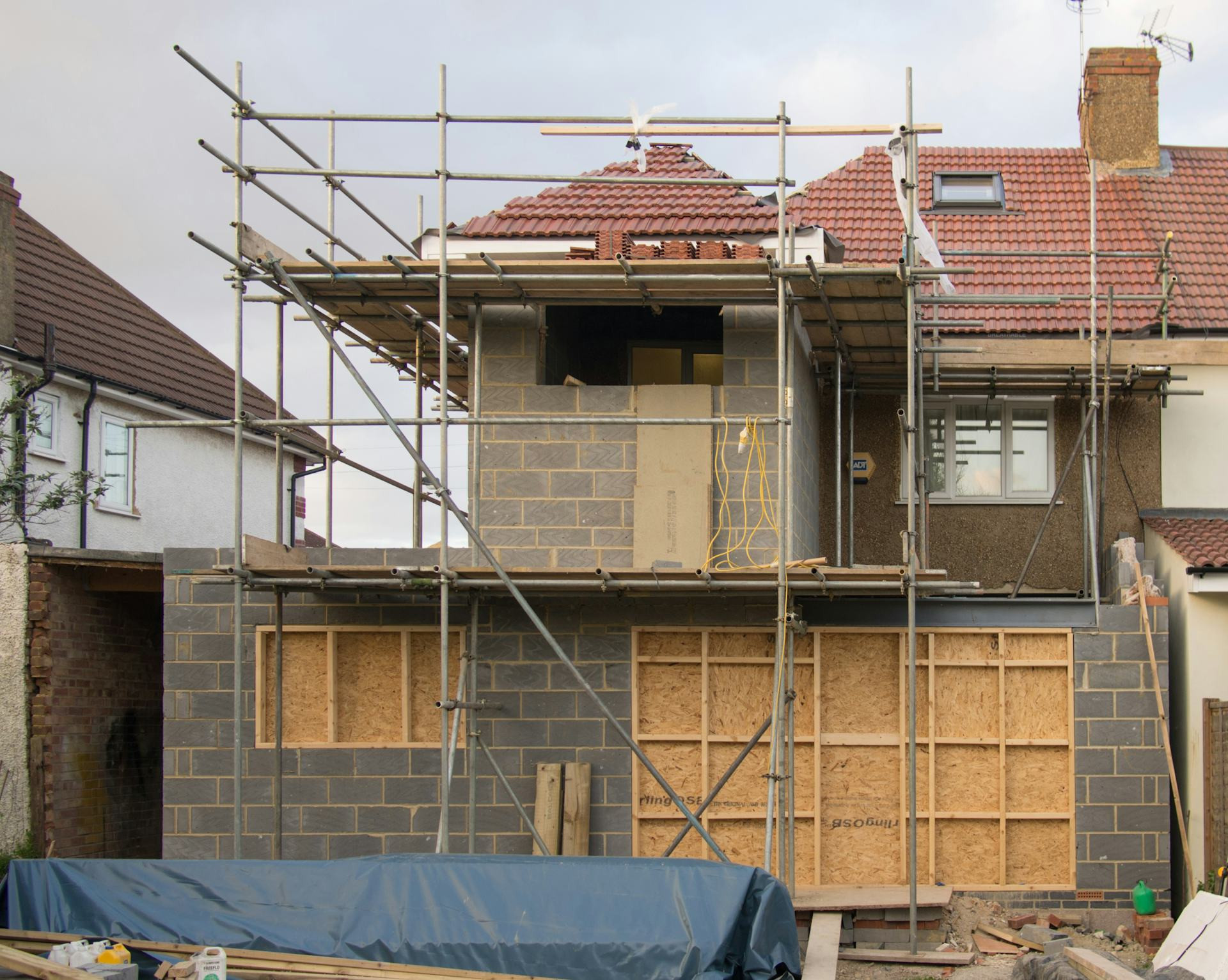
Roof Types and Costs: What’s the Long-Term Price?
When it’s time to replace or build a roof, the decision is rarely just about looks. The type of roof you choose affects your home’s durability, energy efficiency, and long-term costs. In Australia’s varied climate – from coastal humidity to outback heat – the right roof can make a big difference in comfort and maintenance. Here’s a guide to the most common roofing materials used across Australia, and how they perform over time.
Terracotta Tiles – Timeless and Durable
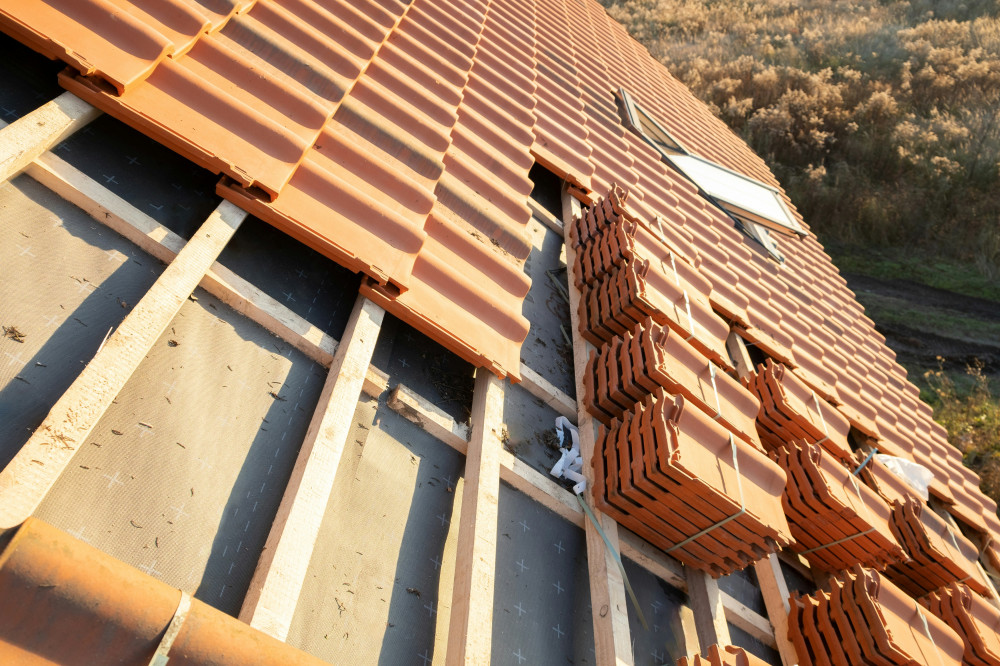
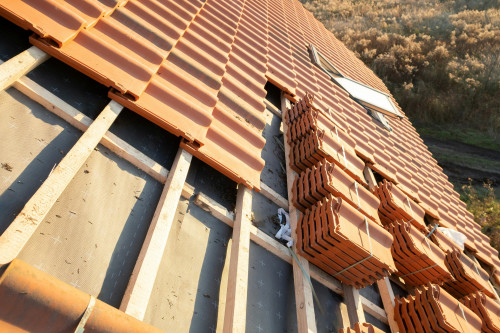
Terracotta tiles are a classic choice for Australian homes, especially in warmer regions. They’re made from natural clay, fired to withstand decades of sun and rain. A well-installed terracotta roof can last 70–100 years, and its thermal properties help keep homes cooler in summer.
However, terracotta is heavy, so the roof structure must be strong enough to support it. Tiles can also crack under impact and may need occasional replacement. Regular cleaning to remove moss and debris helps maintain their appearance.
Long-term economy: High upfront cost, but excellent lifespan and low maintenance make it a sound investment for homeowners planning to stay long-term.
Læs også:
Concrete Tiles – Affordable and Reliable
Concrete tiles look similar to terracotta but come at a lower price. They’re durable, fire-resistant, and suitable for most Australian climates. Their lifespan is typically 40–60 years, though they may fade or become porous over time.
Concrete tiles are heavy, so they require a solid frame, and they can absorb water, adding extra weight during heavy rain. Still, they offer good value for money and are widely available.
Long-term economy: Moderate initial cost and decent lifespan. A practical choice for budget-conscious homeowners.
Metal Roofing – Lightweight and Low Maintenance
Metal roofing, especially Colorbond steel, is one of the most popular choices in Australia. It’s lightweight, quick to install, and performs well in both coastal and inland conditions. Modern coatings protect against corrosion, and the wide colour range suits both traditional and contemporary homes.
Metal roofs typically last 30–50 years and require minimal maintenance. They can be noisy during heavy rain, but good insulation reduces this issue. Reflective coatings also help lower cooling costs in hot climates.
Long-term economy: Moderate cost, low maintenance, and energy efficiency make it one of the best all-round options for Australian conditions.
Slate Roofing – Elegant and Enduring
Natural slate is a premium roofing material known for its beauty and longevity. A slate roof can last over 100 years with minimal upkeep, making it ideal for heritage or high-end homes. It’s resistant to fire, mould, and harsh weather.
The downside is cost – both the material and installation are expensive, and the roof structure must support the weight. Synthetic slate offers a lighter, cheaper alternative, though with a shorter lifespan of around 40–60 years.
Long-term economy: Very high initial cost, but unmatched durability and minimal maintenance. A lifetime investment for those seeking quality and style.
Asphalt Shingles – Rare but Versatile
While more common in North America, asphalt shingles are occasionally used in Australia for their affordability and ease of installation. They come in many styles and colours, but their lifespan is shorter – around 20–30 years – and they can degrade under intense UV exposure.
They’re best suited to cooler or shaded areas, or for temporary structures where cost is the main concern.
Long-term economy: Low upfront cost, but shorter lifespan and higher maintenance make them less economical in the long run.
Green Roofs – Sustainable and Insulating
Green or “living” roofs, covered with vegetation, are gaining popularity in urban areas. They provide excellent insulation, reduce stormwater runoff, and improve air quality. In Australia’s climate, they require careful design to handle heat and drought, including proper waterproofing and irrigation.
Installation costs are high, and maintenance is ongoing, but the environmental and energy-saving benefits can offset some of the expense over time.
Long-term economy: High setup cost but potential energy savings and environmental benefits. Ideal for eco-conscious homeowners.
Which Roof Pays Off in the Long Run?
When comparing total costs, the cheapest roof isn’t always the most economical over time. Terracotta and slate roofs have high upfront prices but can last a century with little maintenance. Metal roofing offers a strong balance between cost, durability, and energy efficiency, making it a favourite for many Australian homes. Concrete tiles and asphalt shingles are more affordable initially but may need replacement sooner.
Ultimately, the best roof depends on your home’s structure, local climate, and how long you plan to stay. A roof isn’t just a cover – it’s a long-term investment in comfort, sustainability, and property value.
Læs også: