Eco-Friendly Roof Insulation – How to Choose the Right Materials
Eco-Friendly Roof Insulation – How to Choose the Right Materials
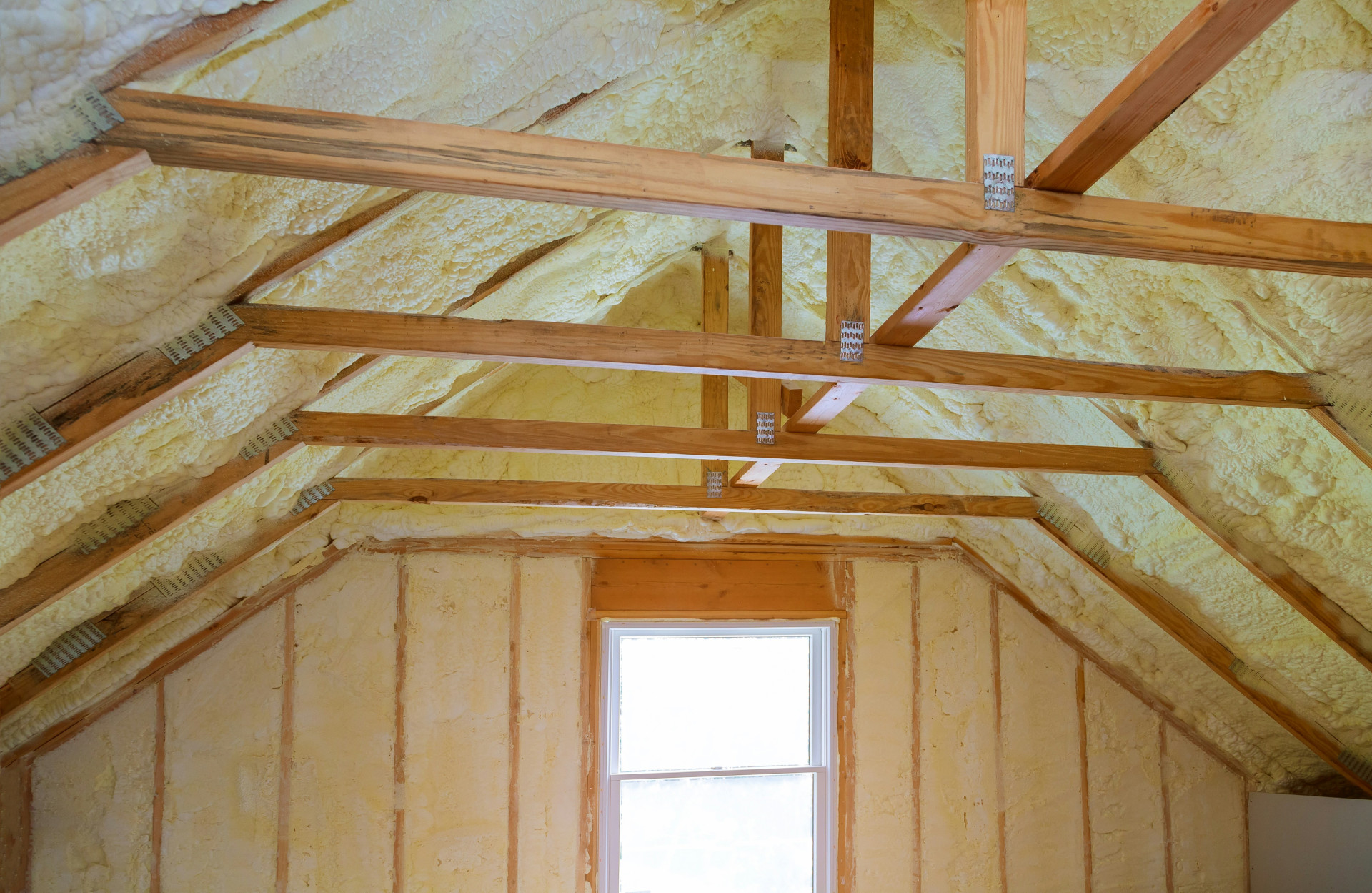
A well-insulated roof is one of the smartest investments you can make for your home. It keeps your living spaces comfortable year-round, reduces energy bills, and helps lower your carbon footprint. In Australia’s diverse climate – from tropical humidity to dry inland heat – choosing the right eco-friendly insulation materials can make a big difference in both comfort and sustainability. Here’s how to find the best options for your roof and the planet.
Why Choose Eco-Friendly Insulation?
Traditional insulation materials like glass wool and foam boards are effective but often energy-intensive to produce and difficult to recycle. Eco-friendly alternatives, on the other hand, are made from renewable or recycled resources and have a smaller environmental impact throughout their life cycle.
Sustainable insulation materials can also improve indoor air quality. Many natural fibres regulate humidity by absorbing and releasing moisture, helping to prevent mould and maintain a healthy indoor environment – a major advantage in Australia’s variable weather conditions.
The Most Sustainable Roof Insulation Materials
The right insulation depends on your roof type, budget, and environmental goals. Below are some of the most eco-friendly materials available in Australia:
-
Cellulose (Recycled Paper Insulation) – Made from recycled newspaper treated with natural fire retardants, cellulose is one of the most sustainable insulation options. It’s ideal for retrofitting existing roofs and offers excellent thermal and acoustic performance. Locally produced cellulose has a very low carbon footprint.
-
Sheep’s Wool – A renewable and biodegradable material that naturally regulates moisture and temperature. Wool insulation is particularly suited to cooler regions like Tasmania or the southern states. It’s more expensive than some alternatives but offers long-lasting performance and a healthy indoor climate.
-
Hemp and Cotton – These plant-based materials are grown with minimal pesticides and water. Hemp insulation is durable, breathable, and resistant to pests when properly treated. Cotton insulation, often made from recycled denim, is soft, safe to handle, and effective in both hot and cold climates.
-
Wood Fibre Boards – Produced from sawmill by-products, wood fibre insulation provides excellent thermal mass, helping to keep homes cooler in summer and warmer in winter. It’s compostable and recyclable, making it a strong choice for sustainable new builds.
-
Recycled Polyester (PET) – Made from recycled plastic bottles, polyester insulation is non-toxic, lightweight, and resistant to moisture. It’s a good option for homeowners seeking a balance between sustainability, affordability, and durability.
-
Cork – Harvested from the bark of cork oak trees without harming the tree, cork is a natural, renewable, and recyclable material. It offers great thermal and acoustic insulation and performs well in both flat and pitched roofs.
Consider the Whole Life Cycle
When assessing how eco-friendly a material is, look beyond its composition. Consider the entire life cycle – from raw material extraction and manufacturing to transport, installation, and disposal. Locally sourced materials often have a lower carbon footprint than imported ones.
Look for certifications such as Global GreenTag, GECA (Good Environmental Choice Australia), or Cradle to Cradle, which verify that products meet strict environmental and health standards. You can also check for Environmental Product Declarations (EPDs) to compare the environmental impact of different materials.
Installation and Ventilation Matter
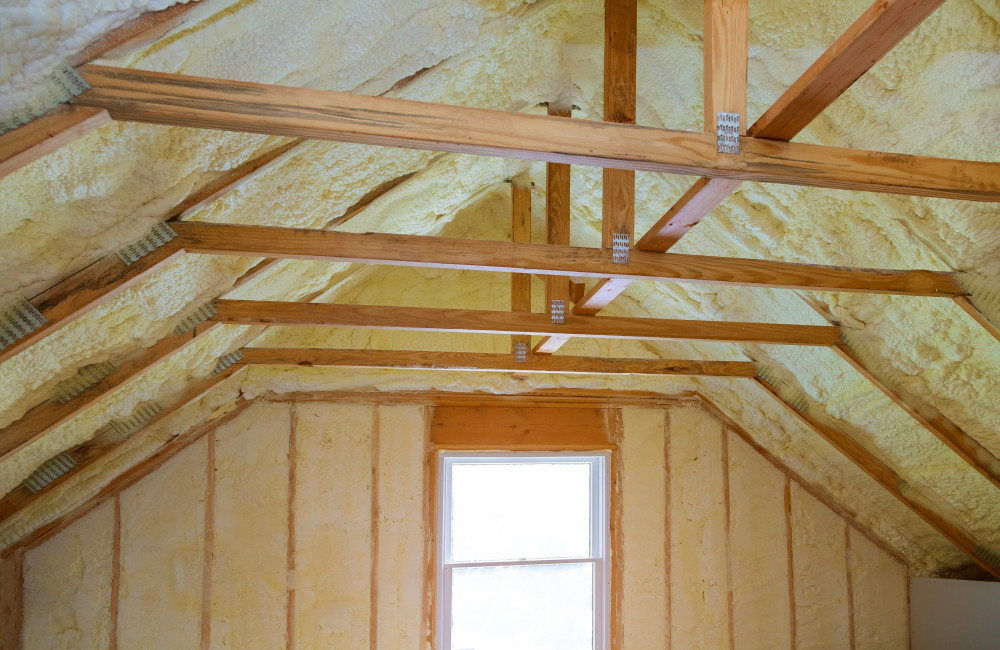
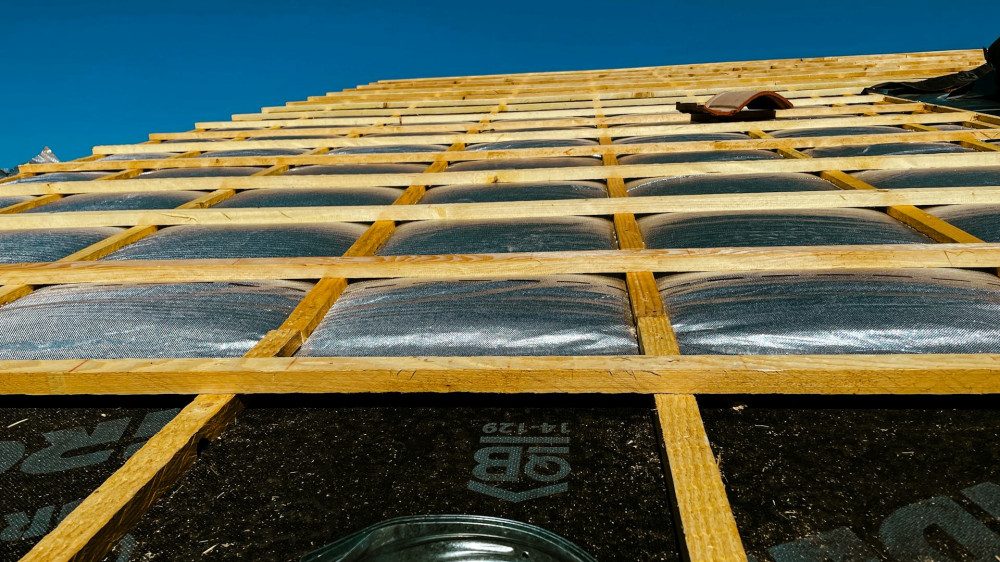
Even the most sustainable insulation won’t perform well if it’s poorly installed. Proper ventilation is essential to prevent condensation and heat build-up, especially in Australia’s hot climates. Ensure there’s adequate airflow between the insulation and the roof covering to allow moisture to escape.
If you’re renovating, consider combining insulation upgrades with other sustainable features such as solar panels, reflective roofing materials, or green roofs. These additions can further reduce energy use and enhance your home’s overall efficiency.
Get Professional Advice
While some insulation projects can be DIY-friendly, consulting a professional energy assessor or builder is often worthwhile. They can help you determine the right insulation thickness, assess moisture risks, and ensure compliance with the National Construction Code (NCC) and local energy efficiency standards.
A professional assessment can also reveal whether it’s more cost-effective to retrofit your existing roof or replace it entirely – particularly if your roof is nearing the end of its lifespan.
Læs også:
A Greener Roof for a Sustainable Future
Choosing eco-friendly roof insulation is more than just a home improvement – it’s a step toward a more sustainable lifestyle. By selecting materials that are renewable, recyclable, and suited to Australia’s climate, you can reduce your energy use, improve comfort, and contribute to a healthier planet.
With thoughtful planning and the right materials, your roof can do more than protect your home – it can help build a greener future for generations to come.
Læs også: