Order in the Garage: How to Prevent Accidents and Injuries

Order in the Garage: How to Prevent Accidents and Injuries
For many Australians, the garage is more than just a place to park the car. It’s a workshop, a storage space, and sometimes even a mini man cave or craft area. But because it often ends up holding a mix of tools, sports gear, garden equipment, and chemicals, it can quickly become cluttered and hazardous. Sharp tools, heavy objects, and flammable liquids can all pose risks if not stored properly. With a bit of planning and organisation, you can make your garage both safe and practical. Here’s how to prevent accidents and injuries in your garage.
Start with a thorough clean-out
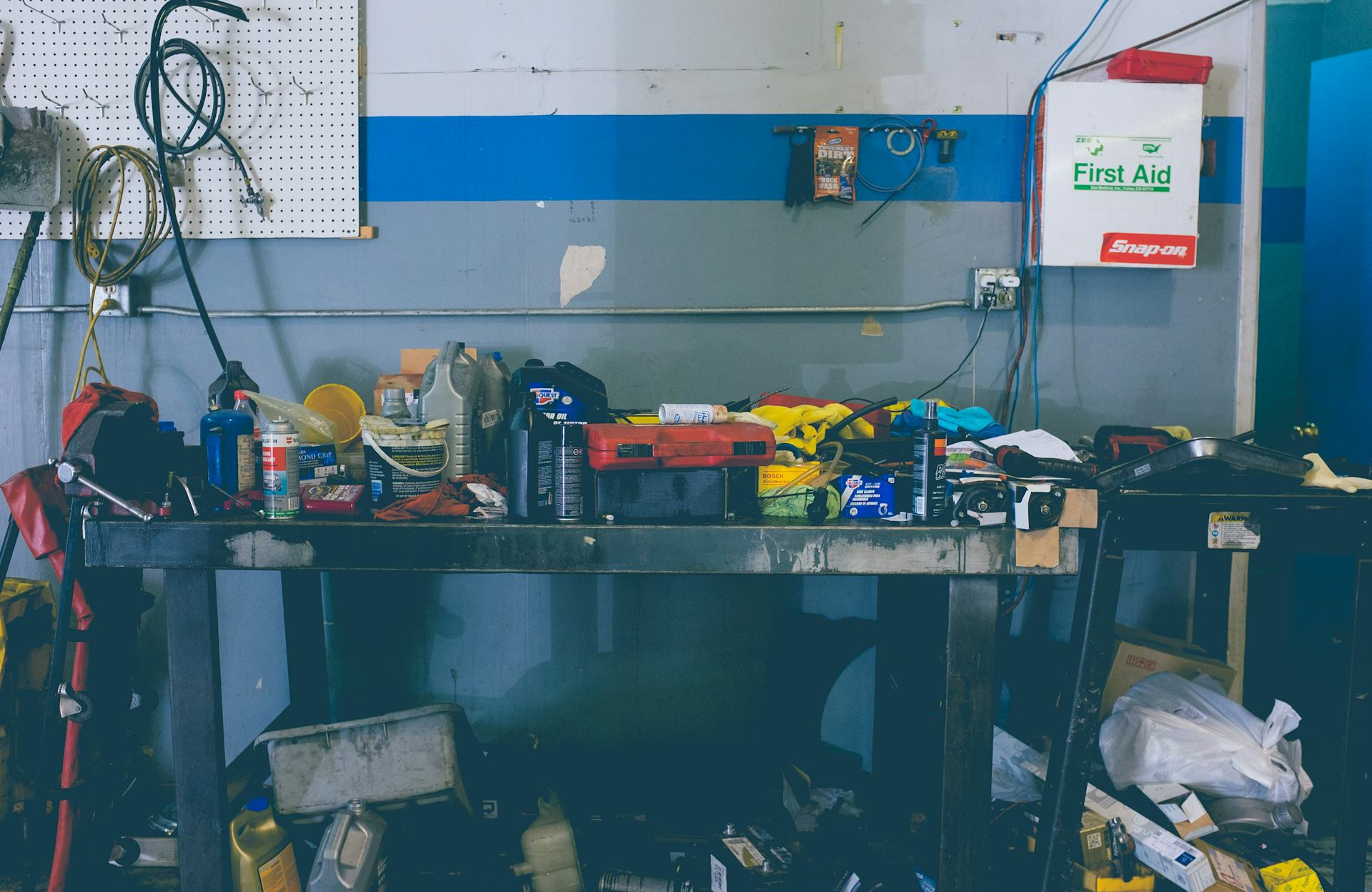
The first step to a safer garage is to clear the clutter. Take everything out and sort it into categories: tools, car care, gardening, paint, and chemicals. Get rid of broken items and old products you no longer use—especially paints, oils, and cleaning agents that may have expired or started leaking.
A clean-out not only gives you more space but also helps you see what needs proper storage and what can be safely disposed of. Check with your local council for information on hazardous waste drop-off points for old chemicals and paints.
Give everything a proper place
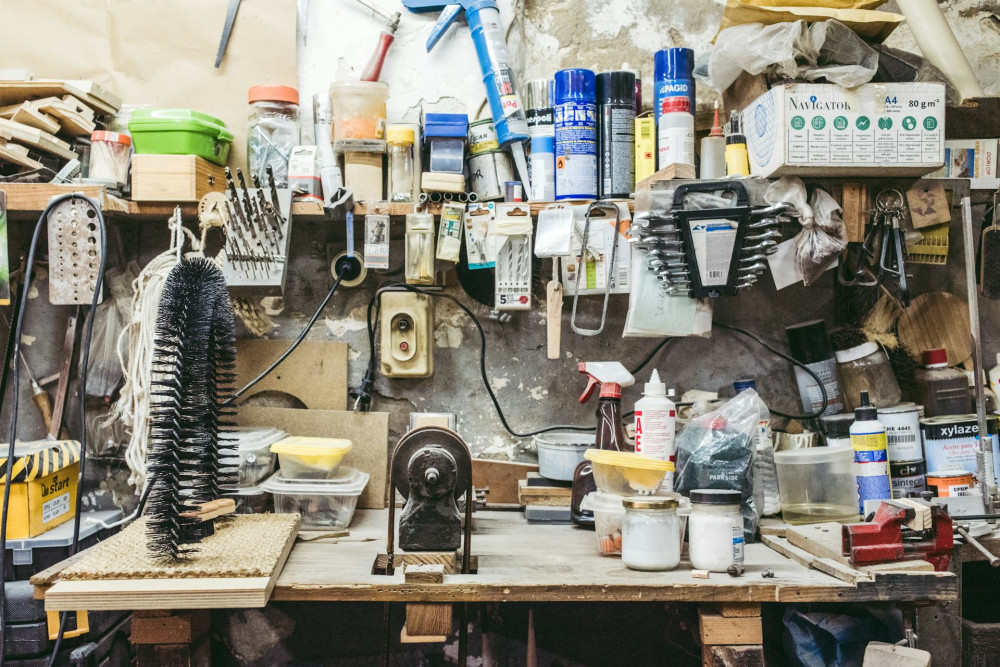
One of the best ways to prevent accidents is to assign a specific place for every item. Hang tools on the wall using hooks or pegboards instead of leaving them loose on benches or the floor. Shelving units can help keep things tidy and easy to find.
Store heavy items like jacks, car batteries, and power tools on lower shelves to prevent them from falling. Lighter items can go higher up. This simple system reduces the risk of something toppling over or injuring you when you reach for it.
Store chemicals and flammable liquids safely
Garages often contain petrol, oil, paint, and cleaning products—all of which can be dangerous if not stored correctly. Keep them in tightly sealed containers and away from heat sources such as water heaters, power tools, or direct sunlight.
Store chemicals out of reach of children and pets, ideally in a locked cabinet. Always read the labels and follow the manufacturer’s instructions for storage and disposal. Never pour leftover chemicals down the drain or into the garden—take them to a designated disposal facility.
Læs også:



Ensure good lighting and ventilation
Poor lighting and stuffy air can make your garage a risky place to work. Install bright, energy-efficient LED lights over your workbench and in key areas where you move around. Good lighting helps you see what you’re doing and spot potential hazards before they cause trouble.
Ventilation is equally important, especially if you’re working with paints, solvents, or engines. Open the roller door or windows when working, and consider installing an exhaust fan if you regularly use the space for projects that produce fumes or dust.
Think about ergonomics
Not all garage injuries come from accidents—many are caused by poor posture or lifting techniques. Use a workbench at a comfortable height to avoid unnecessary bending. When lifting heavy objects, bend your knees and keep your back straight.
A non-slip floor can also make a big difference. Rubber mats or epoxy coatings not only make cleaning easier but also reduce the risk of slipping, especially if oil or water is spilled.
Keep an eye on electrical and heating safety
Power tools and extension cords are handy but can be dangerous if misused. Avoid overloading power points, and regularly check cords for damage. Use only approved power boards with surge protection and switch off tools when not in use.
If you use heaters in the garage during winter, keep them well away from flammable materials. Never use open flames or gas heaters in enclosed spaces—petrol fumes and other vapours can ignite easily.
Make safety a habit
Once your garage is organised, the key is to maintain it. Put tools back after use, clean up spills immediately, and check regularly that everything is stored securely. These small habits take only a few minutes but can prevent serious accidents.
If you have children, teach them that the garage isn’t a play area. Explain what’s dangerous and make sure they can’t access tools or chemicals.
A safe garage is a better garage
A well-organised garage doesn’t just make life easier—it makes it safer. When you know where everything is and that it’s stored properly, you can work more efficiently and with peace of mind. With a bit of structure and care, your garage can be a space for projects, repairs, and storage—without the risk of accidents or injuries.
Læs også: