Can You Use Your Garage for Hobbies? Here Are the Rules


Can You Use Your Garage for Hobbies? Here Are the Rules
For many Australian homeowners, the garage is more than just a place to park the car. It often doubles as a workshop, gym, art studio, or music space. But are you actually allowed to use your garage for hobbies – and are there any rules you need to follow? The short answer is yes, you can, but there are some important legal, safety, and practical considerations to keep in mind. Here’s what you should know before turning your garage into a hobby haven.
What Does the Law Say About Garage Use?
In most Australian states and territories, a garage is approved for vehicle storage and general household use – not for living or commercial purposes. This means you can usually use it for hobbies as long as the activity doesn’t change the building’s intended use or require a new building approval.
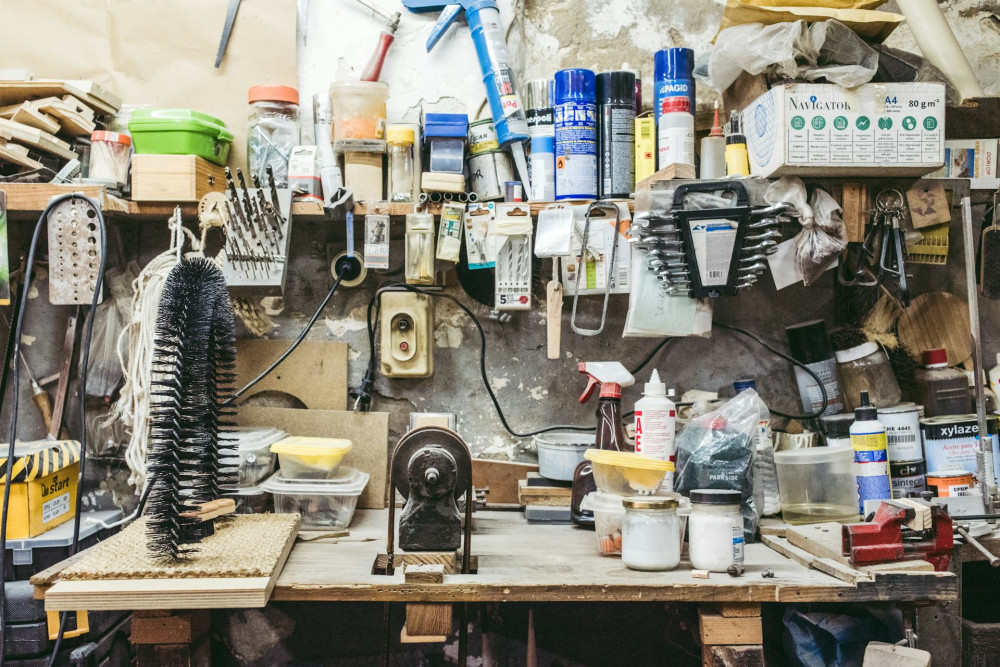
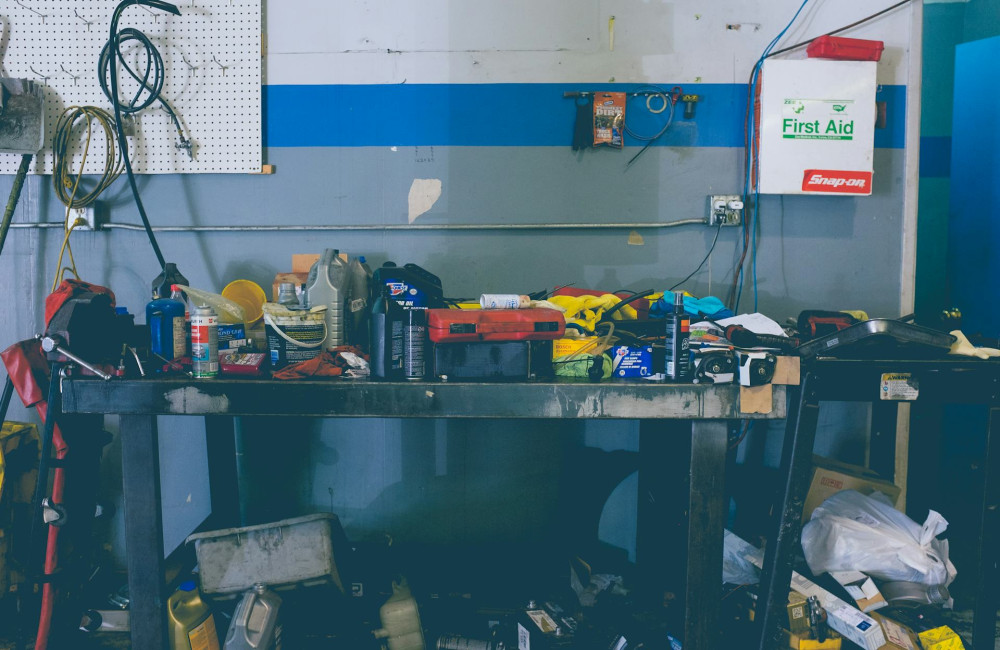
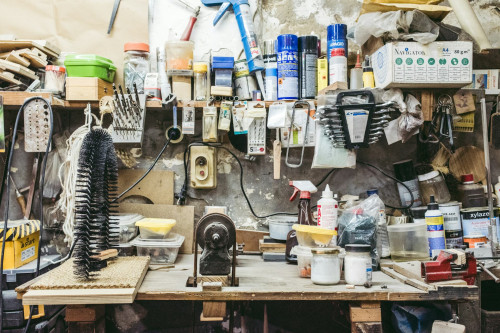
If you’re tinkering with your motorbike, doing some woodworking, or painting furniture, that’s generally fine. But if you plan to convert the garage into a home office, studio, or guest room with insulation, plumbing, or permanent heating, that may count as a change of use under local planning laws. In that case, you’ll likely need approval from your local council.
When Does a Change of Use Require Approval?
A “change of use” occurs when you use a building for something other than what it was originally approved for. You may need council approval if you:
- Convert the garage into a bedroom, living area, or granny flat
- Use it as a business space, such as a workshop, salon, or music studio
- Install permanent heating, plumbing, or insulation to make it habitable
Each council has its own rules, but generally, any conversion that affects fire safety, ventilation, or energy efficiency standards will require a building permit. It’s best to check with your local council or a licensed building certifier before starting any major changes.
Noise, Smells, and Neighbour Concerns
Even if your hobby use is legal, you still need to be considerate of your neighbours. Councils can act on complaints about excessive noise, fumes, or other disturbances.
- Noise: Avoid using loud tools or playing music late at night. Most councils have noise restrictions, especially after 10 p.m.
- Fumes and dust: If you’re painting, welding, or using chemicals, make sure your garage is well-ventilated.
- Storage: Don’t store flammable materials or large amounts of waste – it can be a fire hazard and may breach local safety regulations.
A good tip is to let your neighbours know if you’re planning a noisy or messy project. A bit of communication can prevent misunderstandings and complaints.
Safety and Installation Requirements
Even if you’re not changing the garage’s official use, you still need to follow basic safety standards. This is especially important if you’re using power tools, heaters, or chemicals.
- Install a smoke alarm and keep a fire extinguisher handy.
- Use safe electrical setups – avoid running multiple extension cords or overloading outlets.
- Store flammable liquids in sealed containers away from heat sources.
- Ensure adequate ventilation if you’re working with paints, solvents, or adhesives.
These precautions aren’t just about compliance – they’re about keeping you and your property safe.
Insurance and Tax Considerations
Using your garage for hobbies usually won’t affect your property rates or taxes. However, if you start using it for business – for example, repairing cars for others or selling handmade goods – you may need to register your business and pay relevant taxes.
It’s also worth checking your home insurance policy. Some insurers may not cover damage if the garage is used for purposes not disclosed in your policy. If you’re unsure, contact your insurer to confirm what’s covered.
Making Your Garage Hobby-Ready – Legally and Practically
You can do a lot to make your garage more comfortable and functional without breaking any rules. Here are some ideas:
- Keep it flexible: Use movable benches, shelves, and storage so the space can still function as a garage.
- Improve comfort: Use portable heaters or fans instead of installing permanent systems that might require approval.
- Stay organised: Good storage and lighting make your hobby time safer and more enjoyable.
- Think about lighting: LED lights are bright, energy-efficient, and safe for enclosed spaces.
With a few smart adjustments, your garage can become a great place to work on your passions – without crossing any legal lines.
Læs også:



Conclusion: You Can Do a Lot – Within Limits
You’re free to use your garage for most hobbies, as long as you don’t turn it into a living space or business without approval. The key is to understand the difference between casual hobby use and a formal change of use – and to stay mindful of safety and neighbourly considerations.
With a bit of planning and respect for the rules, your garage can be the perfect spot to explore your interests – legally, safely, and creatively.
Læs også: