Get Your Garage Ready for Winter and Prevent Frost Damage

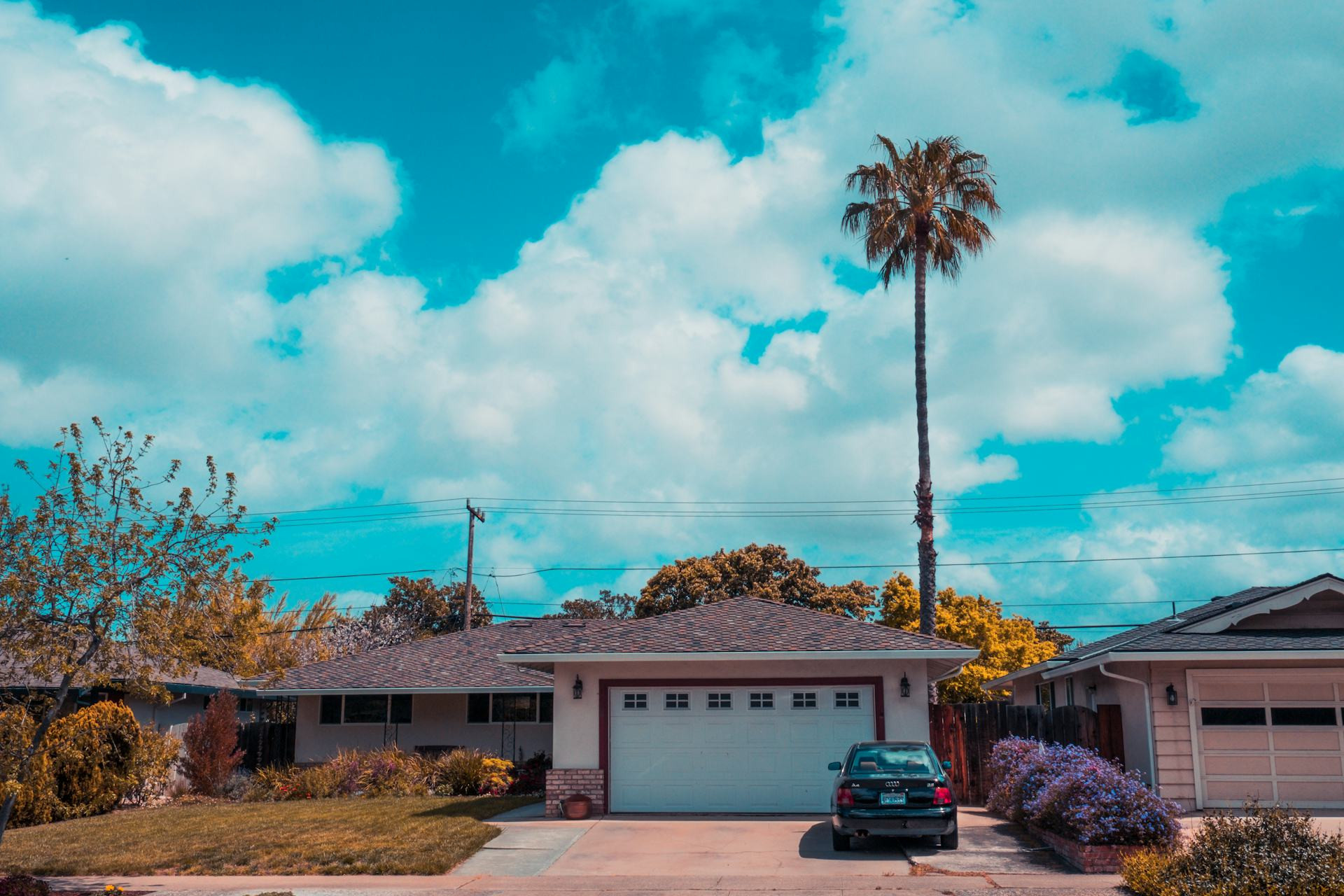
Get Your Garage Ready for Winter and Prevent Frost Damage
As the cooler months approach, it’s easy to focus on keeping your home warm and forget about the garage. But a poorly insulated or damp garage can suffer from frost damage, condensation, and even mould – all of which can harm your car, tools, and the building itself. With a few simple steps, you can protect your garage and everything in it from the chill of an Australian winter.
Start with a thorough clean-up
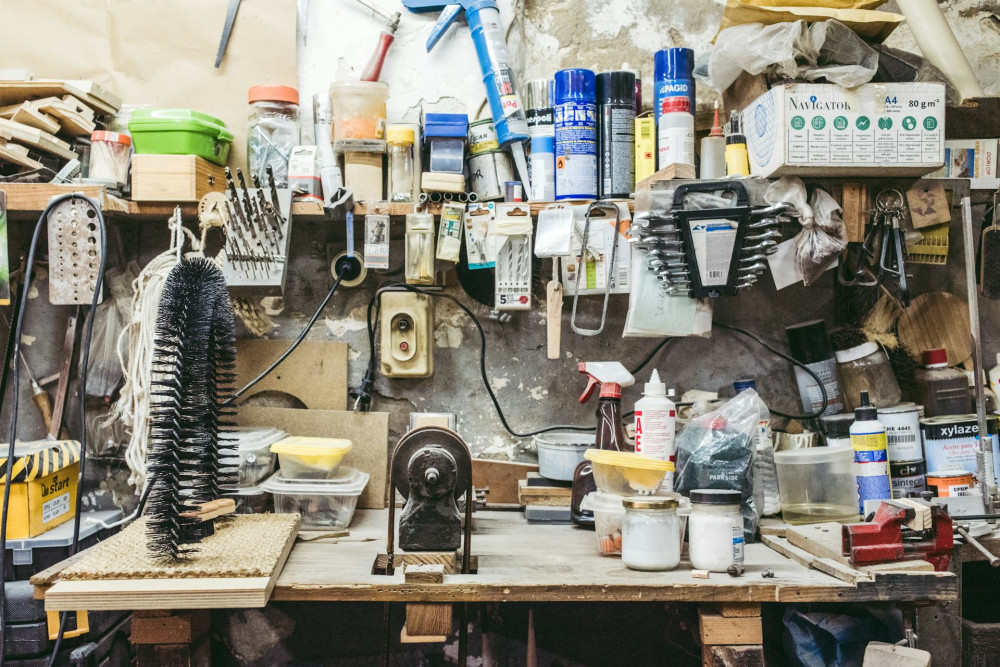
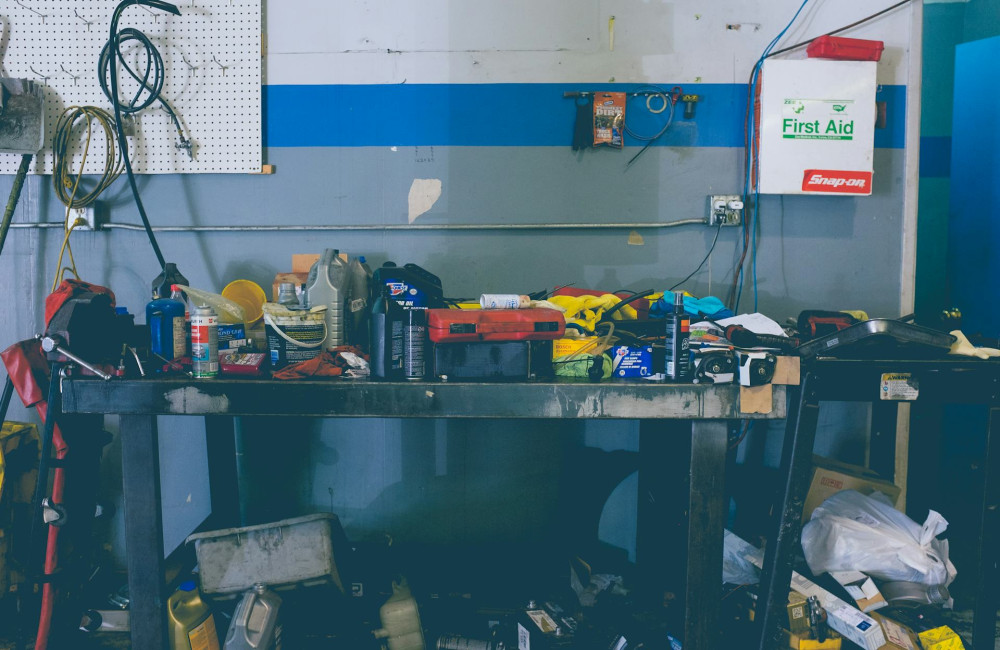
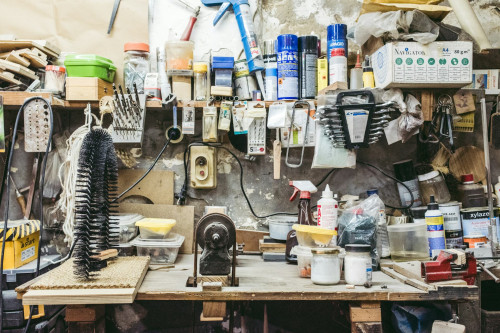
Before you tackle insulation or repairs, start by clearing out the clutter. Dispose of old paint tins, chemicals, and liquids that don’t handle cold temperatures well. Many products lose their effectiveness or separate when exposed to low temperatures.
Sweep the floor, remove cobwebs, and check for signs of dampness or leaks. A clean, organised space makes it easier to spot areas that need attention and helps prevent pests from settling in during the colder months.
Læs også:

Check your insulation
Even in milder Australian climates, insulation makes a big difference in keeping your garage dry and frost-free. Many garages were built without insulation, but adding it can help regulate temperature and reduce condensation.
- Walls and ceiling: Install insulation batts or panels and cover them with a moisture barrier to prevent dampness.
- Garage door: This is often the biggest source of heat loss. Consider adding an insulation kit or upgrading to an insulated door.
- Windows and doors: Replace worn weather seals and fill any gaps to stop draughts and moisture from creeping in.
If you use your garage as a workshop, a small electric heater or portable heat pump can help maintain a comfortable temperature and protect sensitive equipment.
Protect water pipes and drains
If your garage has a water supply – for example, a sink or outdoor tap – make sure the pipes are protected from freezing. Even in parts of Australia where frost is rare, a sudden cold snap can cause damage.
- Turn off the water supply to the garage if possible and drain the pipes.
- Wrap exposed pipes with foam insulation or heat tape.
- Keep drains clear so rainwater and condensation can flow away freely.
A small amount of non-toxic antifreeze in floor drains can help prevent water from freezing in the trap if your garage isn’t heated.
Look after your car and equipment
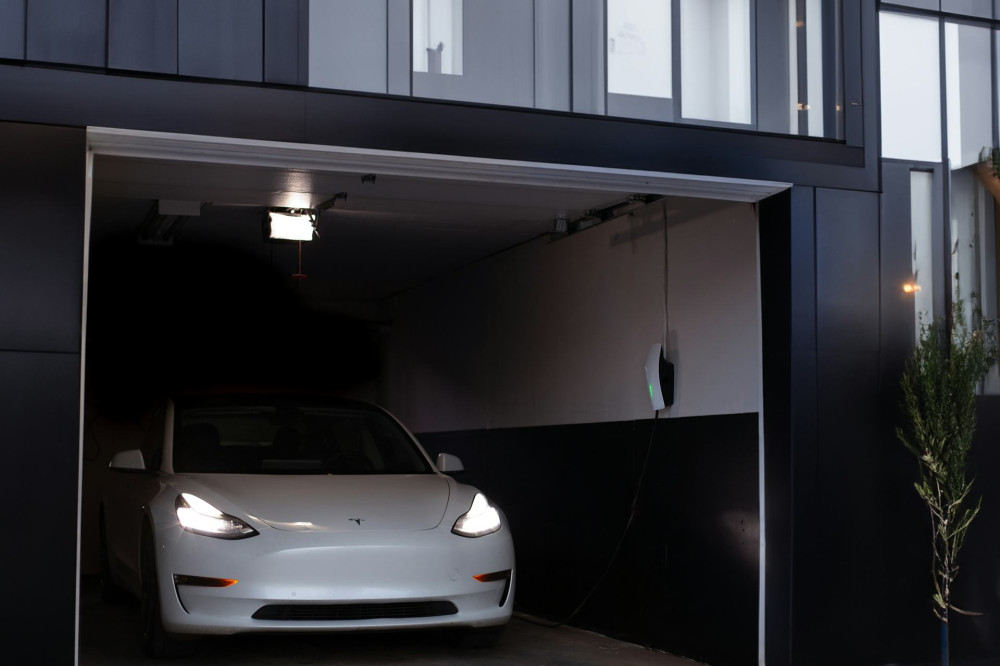
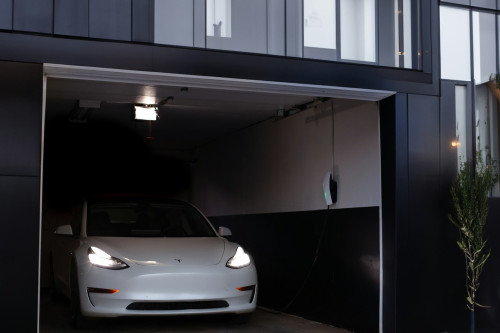
Your car will thank you for being stored in a dry, frost-free space. Check that your garage is sealed against rain and wind, and that the floor stays dry. For electric vehicles, make sure charging cables and sockets are protected from moisture.
Move items that don’t tolerate cold – such as paint, adhesives, and batteries – to a warmer spot. Batteries lose capacity in low temperatures, and liquids can separate or spoil.
Keep the air flowing
While you want to keep the cold out, good ventilation is still essential. Without airflow, moisture can build up, especially when you park a wet car inside. This can lead to rust, mould, and unpleasant odours.
Install a vent or a small exhaust fan that runs for a few hours each day. This helps control humidity and prevents condensation on walls and ceilings.
Check lighting and electrical safety
Shorter winter days mean you’ll rely more on artificial light. Replace old bulbs with energy-efficient LEDs that perform well in cooler conditions. Inspect power points, cords, and extension leads for wear or damage – moisture and cold can make electrical faults more likely.
If you use heaters or chargers in the garage, ensure they’re properly connected and don’t overload your circuits.
A small effort that pays off
Preparing your garage for winter doesn’t have to be expensive or time-consuming, but it can save you from costly repairs later. A dry, insulated, and well-ventilated garage protects your car, tools, and home – and makes those chilly mornings a little easier to face.
Take a weekend before winter sets in to give your garage some attention. It’s a simple investment that will keep everything running smoothly through the cold season.
Læs også: