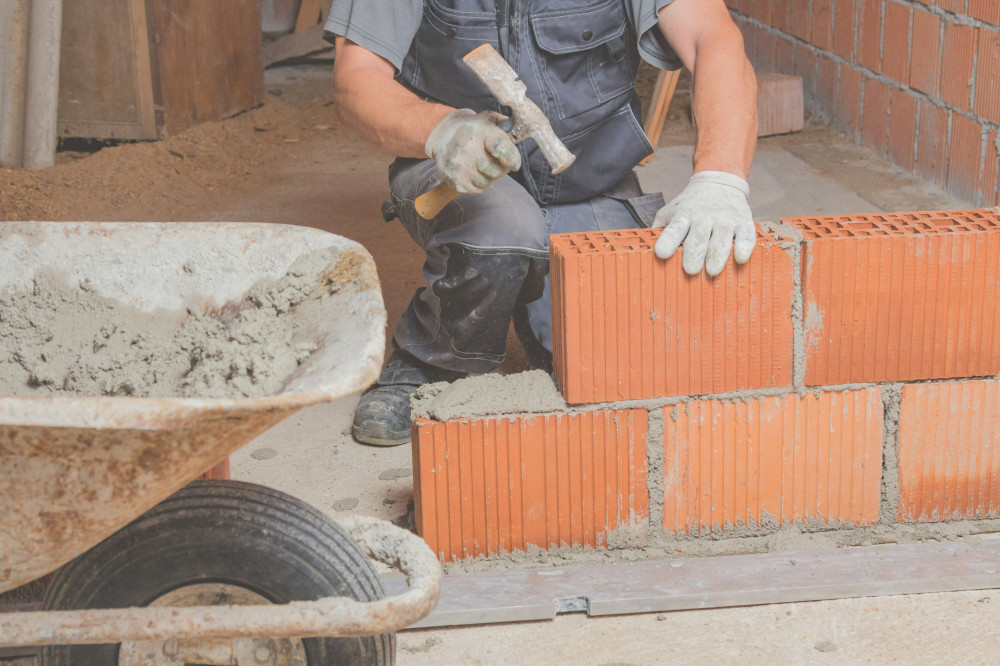
Mortar Work as Part of Your DIY Home Projects

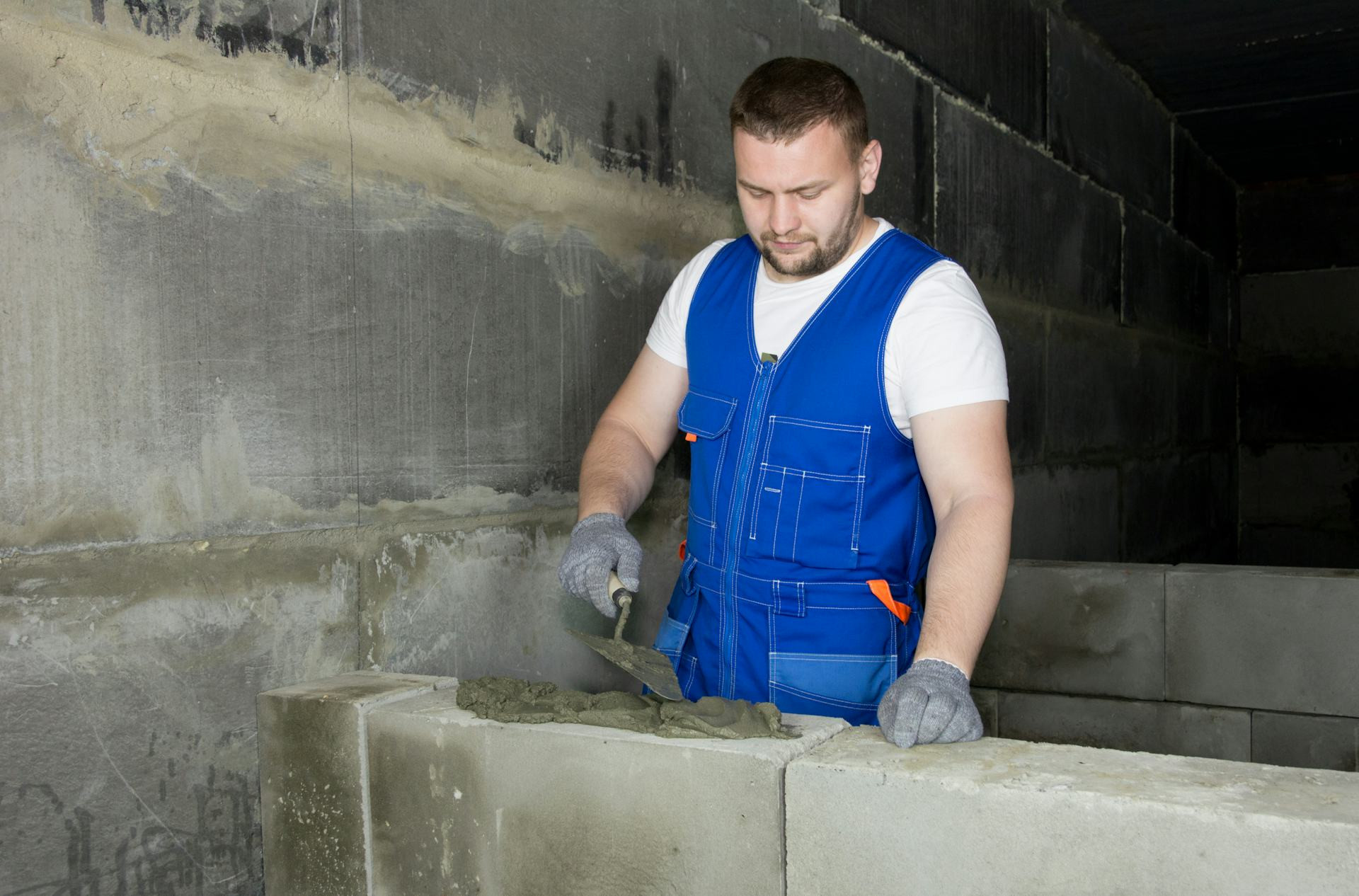
Mortar Work as Part of Your DIY Home Projects
Mortar is one of the most essential materials in home construction and renovation. It binds bricks, stones, and tiles together, seals surfaces, and provides strength and durability to structures. For many Australian DIY enthusiasts, mortar work can seem a bit daunting at first, but with the right preparation and understanding, you can take on a wide range of projects yourself – from small repairs to larger outdoor builds.
What Is Mortar – and When Do You Use It?
Mortar is a mixture of cement, sand, and water. Sometimes lime or plasticisers are added to make it more workable. The exact mix depends on the type of job you’re doing.
- Cement mortar is strong and ideal for structural work such as retaining walls or foundations.
- Lime mortar is softer and more flexible, making it suitable for older homes or heritage buildings where breathability is important.
- Tile adhesive or thin-set mortar is used for laying tiles in kitchens, bathrooms, or outdoor areas.
Choosing the right mortar type is crucial. A mix that’s too hard can cause cracking in older brickwork, while one that’s too soft may not provide enough strength for structural applications.
Preparation: The Key to a Good Result
Before you start, make sure both your materials and work area are ready. Surfaces should be clean, solid, and free from dust, oil, or loose debris. If you’re repointing existing brickwork, remove any crumbling mortar with a jointing tool or chisel so the new mix can bond properly.
When mixing mortar, follow the manufacturer’s instructions carefully. Use a clean bucket and a mixing paddle or mortar mixer to achieve a smooth, even consistency. The mortar should be moist and workable – not too dry and not runny.
A good tip is to mix small batches at a time, especially in warm Australian weather, as mortar can dry out quickly before you get a chance to use it.
Step-by-Step: How to Do Mortar Work
The process will vary depending on your project, but the basic steps are similar:
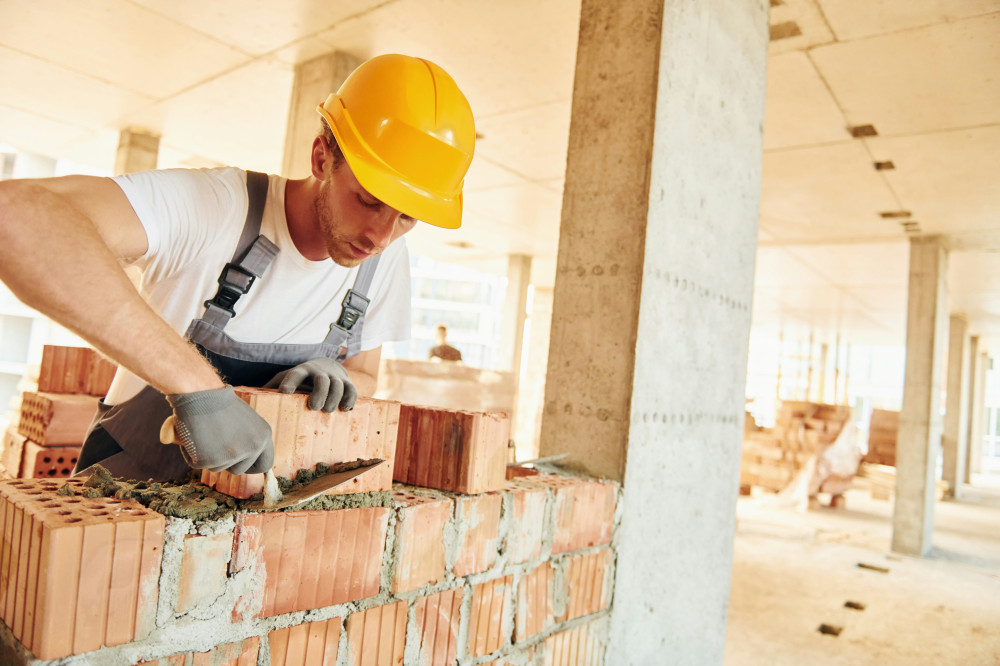
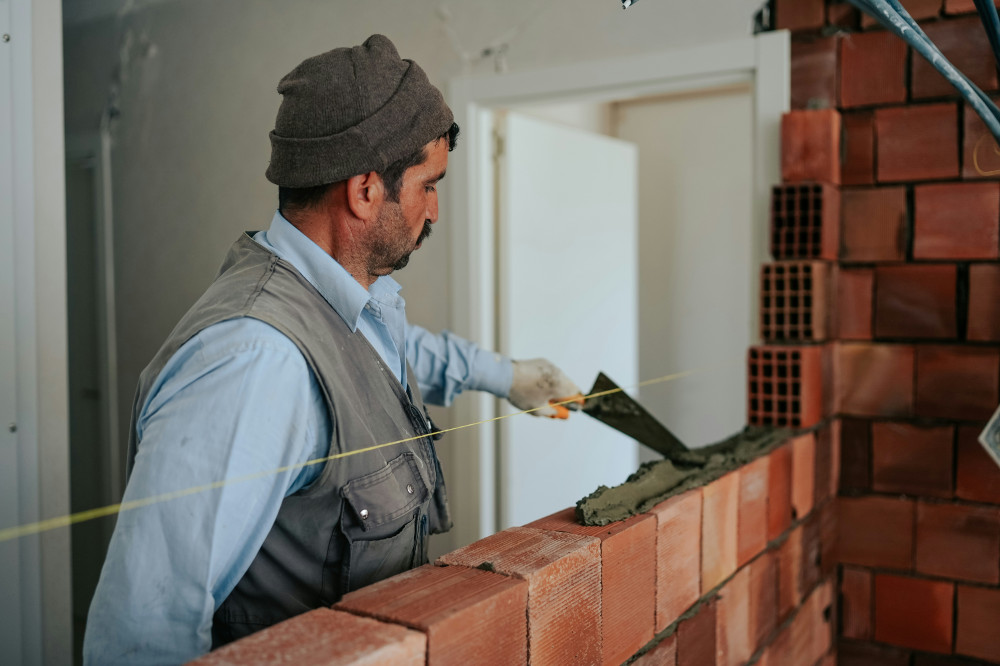
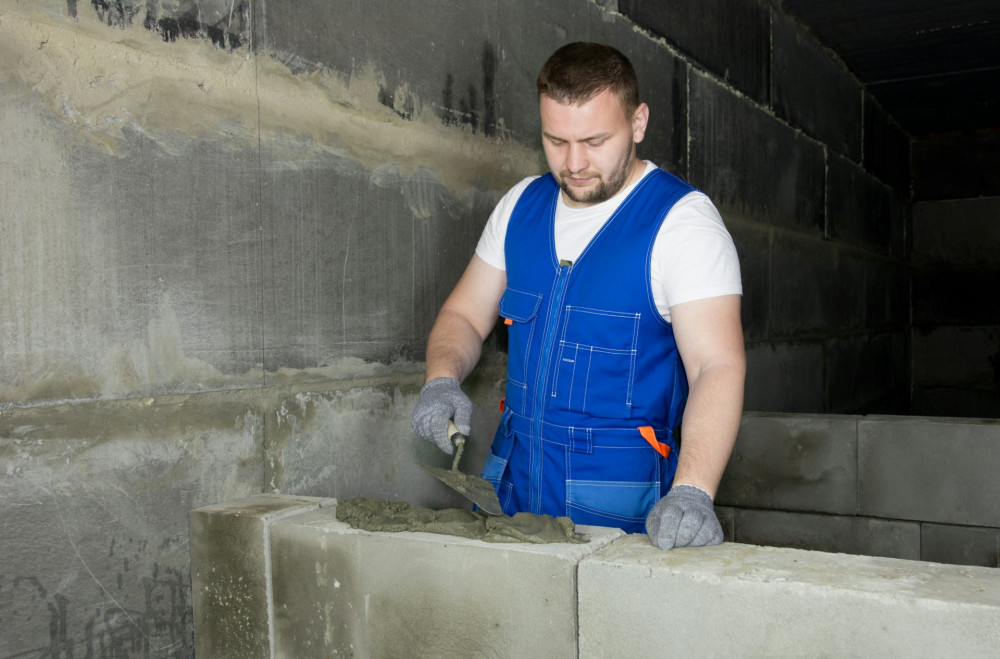
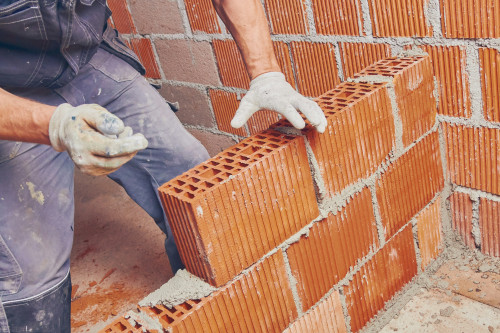
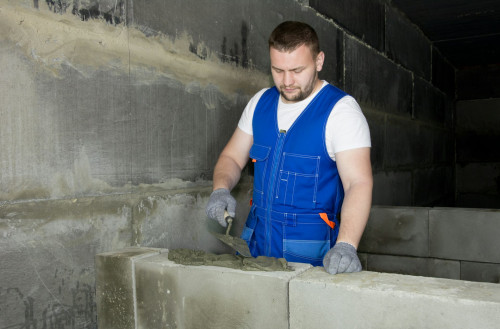
- Apply the mortar using a trowel or pointing tool. Press it firmly into joints or onto surfaces to eliminate air pockets.
- Smooth the surface and remove any excess before the mortar starts to set.
- Finish the joints with a jointing tool or pointing iron for a neat, consistent look.
- Control the drying process. Mortar should not dry too fast, as this can cause cracking. In hot or windy conditions, lightly mist the surface or cover it with plastic sheeting to retain moisture.
For larger projects, such as building a garden wall or repairing a brick façade, work in sections and allow each part to set properly before continuing.
Læs også:
Common DIY Projects Using Mortar
Mortar work features in many popular home improvement projects across Australia. Here are a few examples:
- Repointing brickwork – restores the look and strength of your home’s exterior.
- Laying tiles – in bathrooms, kitchens, or outdoor patios, using the right adhesive mortar.
- Building small foundations – for sheds, fences, or garden features.
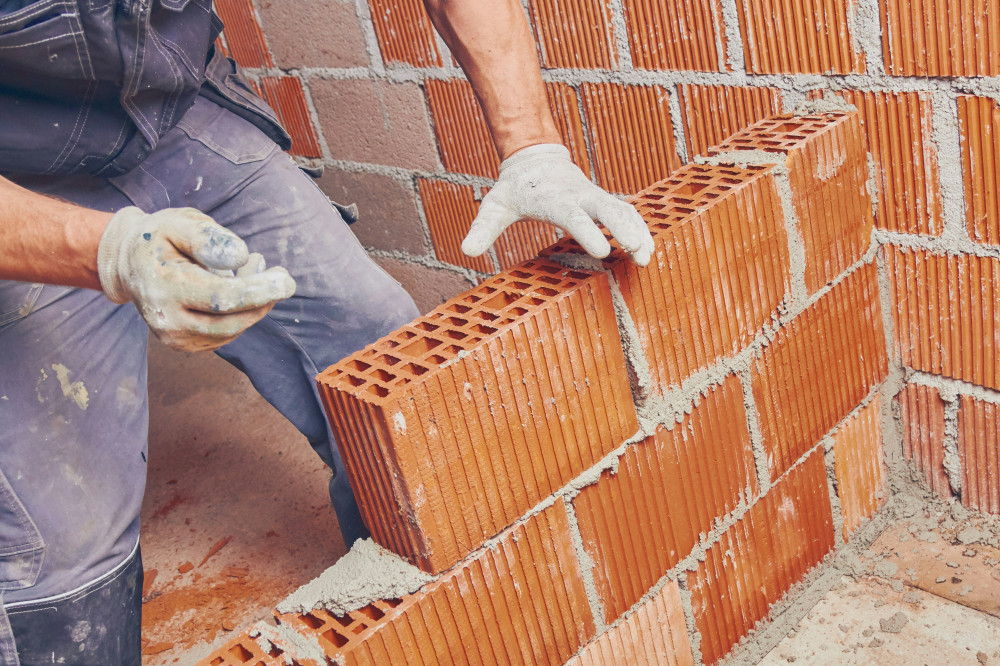
- Constructing garden walls or barbecues – great weekend projects for experienced DIYers.
Whatever the project, take your time to plan and prepare. Good workmanship and patience will always pay off in the long run.
Safety and Maintenance
Mortar contains cement, which can irritate skin and eyes. Always wear gloves, safety glasses, and protective clothing. Avoid breathing in dust when mixing dry mortar, and work in a well-ventilated area.
Once your project is complete, keep an eye on the mortar joints over time. Australia’s climate – from coastal humidity to dry inland heat – can cause expansion, contraction, and minor cracking. Address small issues early to prevent bigger repairs later. A quick annual inspection of your brickwork or tiled areas can help maintain your home’s appearance and integrity.
A Skill Worth Learning
Mortar work takes patience and attention to detail, but it’s one of the most rewarding DIY skills you can develop. You’ll see the results immediately and gain the satisfaction of improving your home with your own hands. Start with small repairs, build your confidence, and soon you’ll be ready to tackle larger projects with pride and precision.
Læs også: