Modern Architecture Meets Classic Sealing Methods

Modern Architecture Meets Classic Sealing Methods
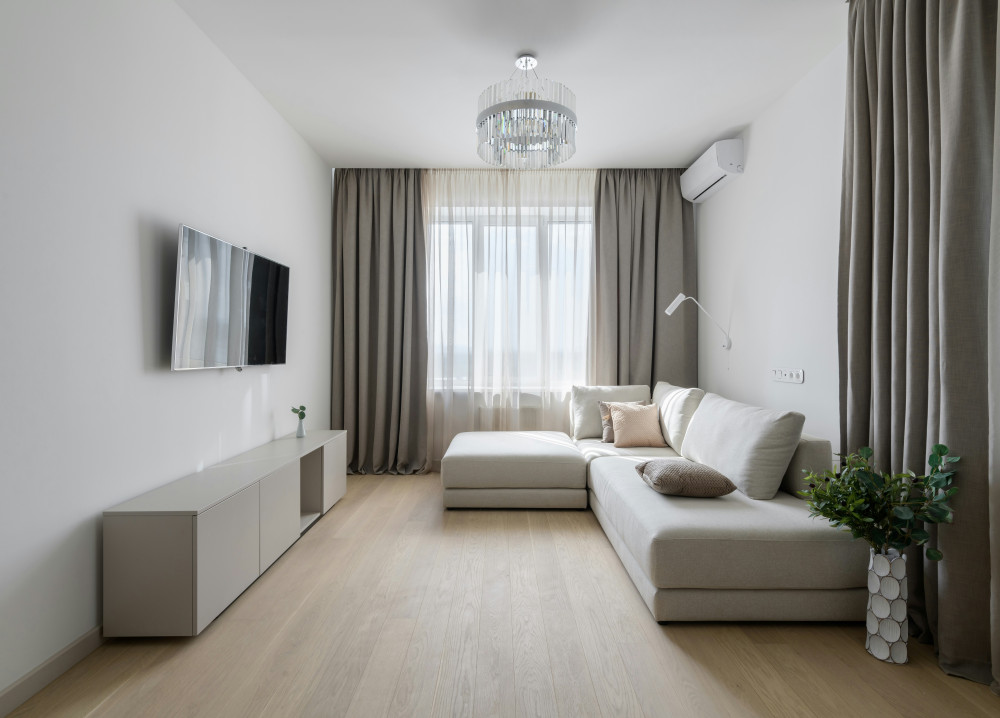
Across Australia’s cities and coastal towns, modern architecture is defined by clean lines, open spaces, and a strong connection to the surrounding landscape. Yet, behind the sleek facades and minimalist forms, a quiet revival is taking place — one that draws on traditional craftsmanship and time-tested building techniques. Among these, classic sealing and pointing methods are finding new relevance in contemporary design, offering both aesthetic depth and practical resilience.
Rediscovering the Craft
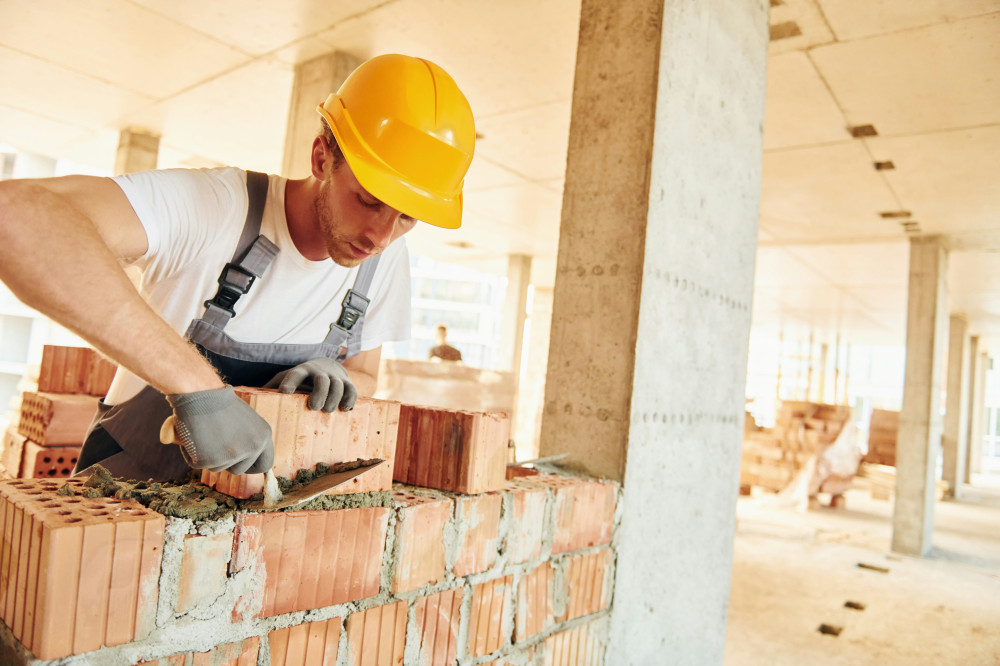
For decades, efficiency and speed have dominated the construction industry. Mortar joints were often treated as purely functional, their visual and structural roles overlooked. But as architects and builders increasingly value texture, material honesty, and longevity, traditional sealing methods are making a comeback.
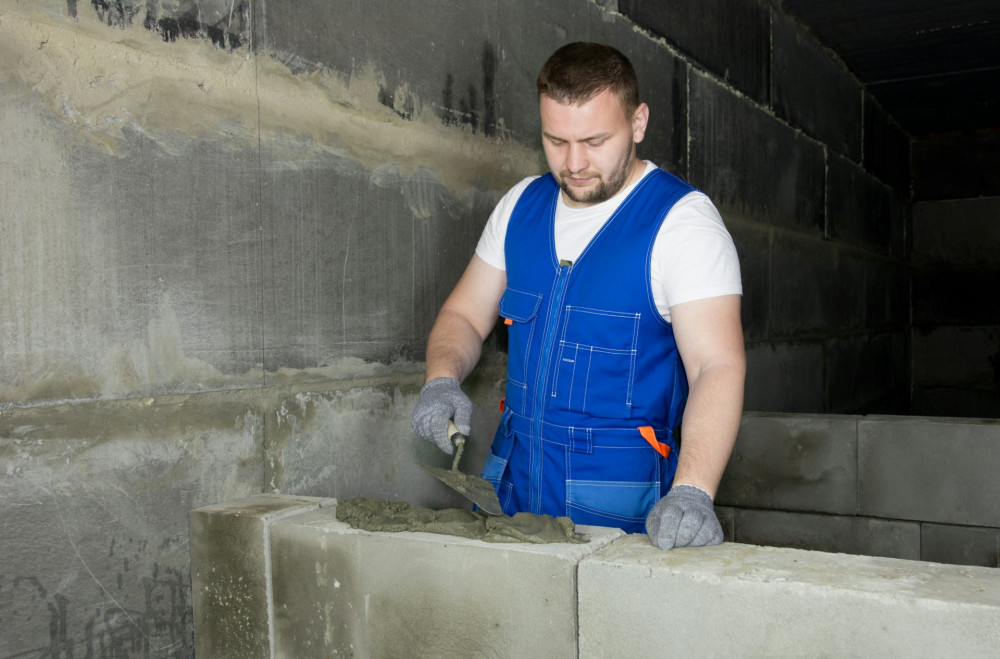
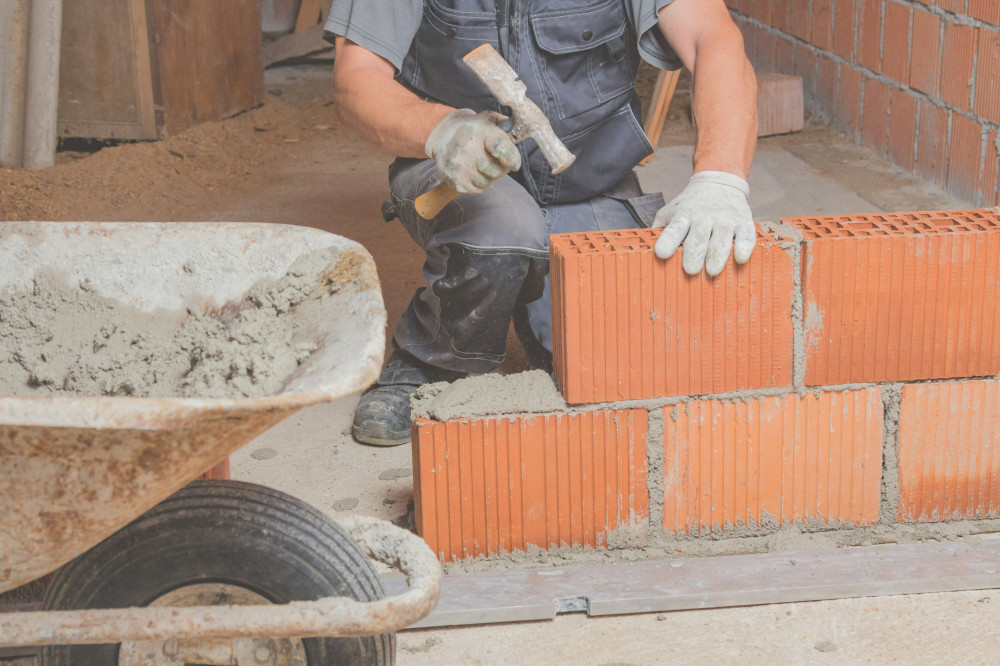
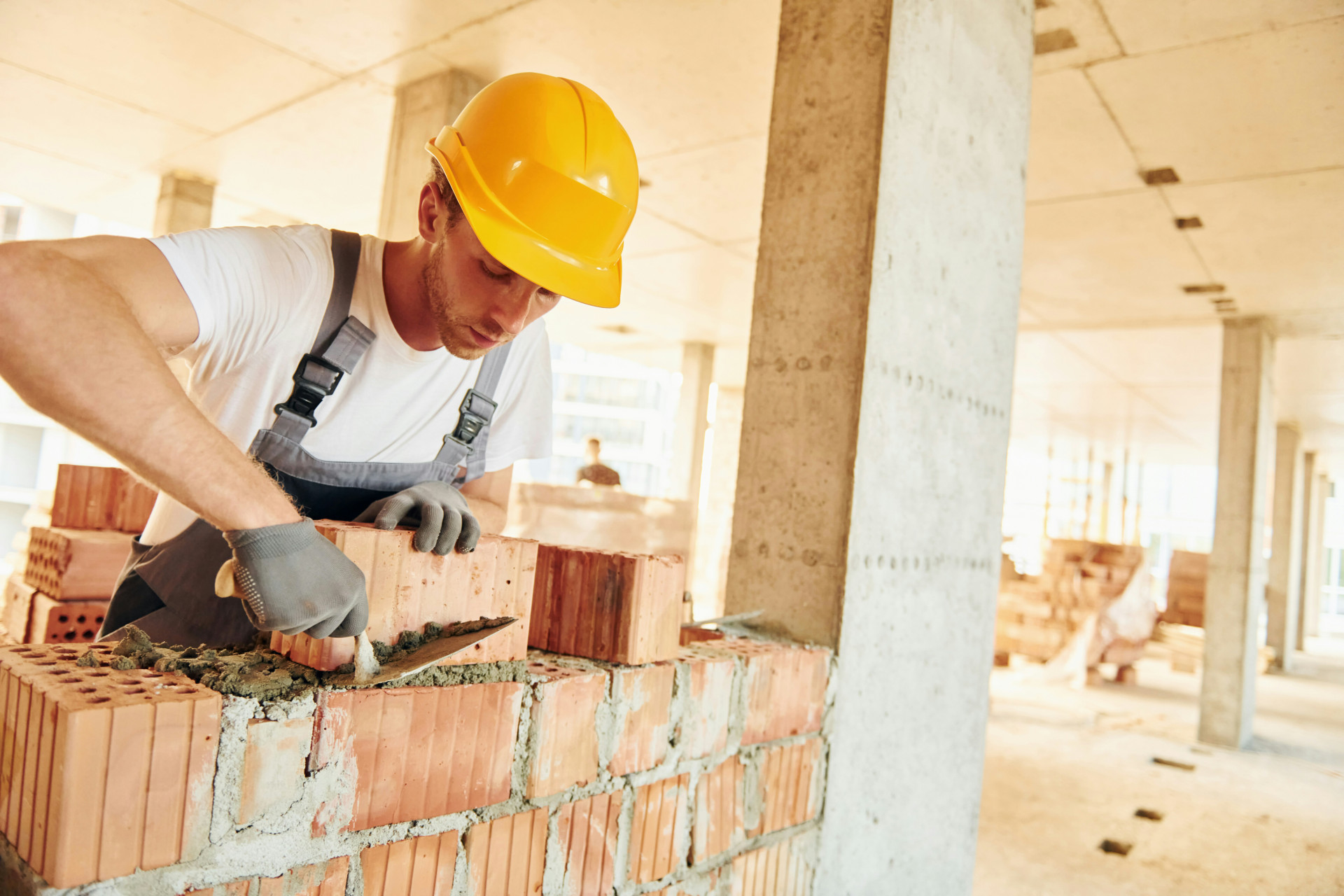
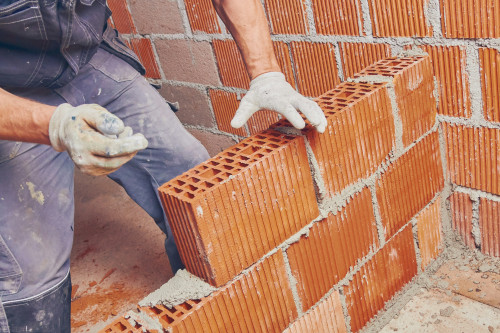
Techniques such as flush pointing, recessed joints, and tuck pointing — once common in heritage buildings — are being reinterpreted for modern projects. These methods add subtle shadow lines and surface variation, creating façades that respond beautifully to Australia’s changing light conditions. The result is architecture that feels both contemporary and grounded in craft.
The Return of Lime Mortar
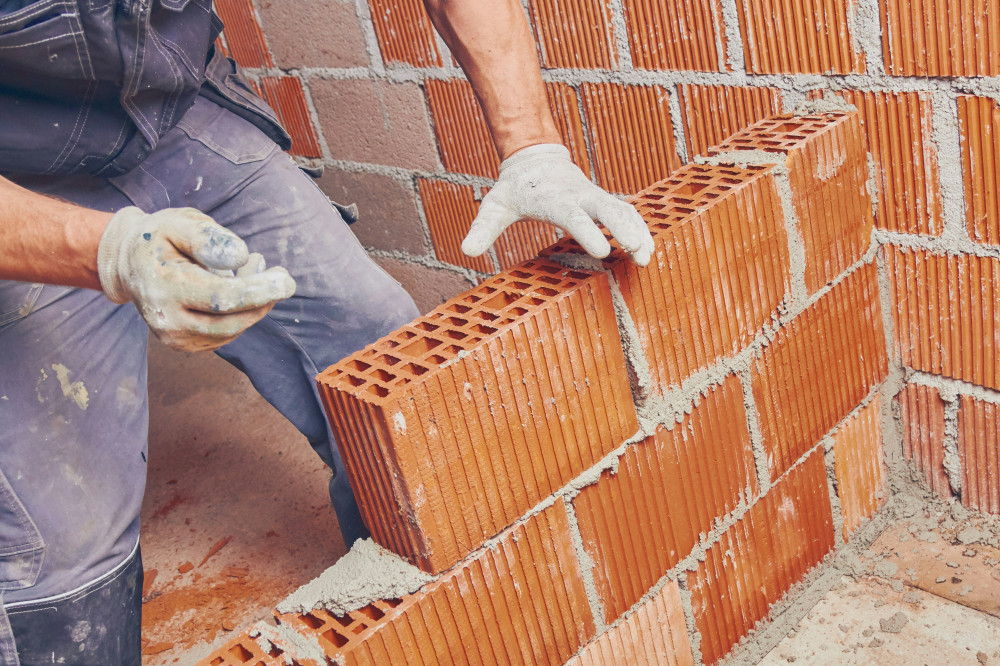
At the heart of many traditional sealing methods lies lime mortar. For much of the twentieth century, cement-based mortars were the default choice, prized for their strength and quick setting time. However, lime mortar is regaining attention for its flexibility, breathability, and environmental benefits.
In Australia’s varied climate — from humid coastal regions to dry inland areas — lime mortar allows masonry to expand and contract naturally, reducing the risk of cracking. It also helps regulate moisture, an important factor in maintaining healthy indoor environments. For architects focused on sustainability, lime mortar offers a lower-carbon alternative that can be repaired and maintained with minimal waste.
Where Old Meets New
The meeting of modern design and traditional technique is visible in a growing number of Australian projects. In Sydney and Melbourne, architects are using hand-made bricks and lime-based mortars to soften the sharpness of contemporary forms. In regional areas, new homes and public buildings are incorporating heritage-inspired detailing to connect with local history.
A carefully chosen mortar colour or joint profile can transform a building’s character. A light-coloured joint can highlight the rhythm of the brickwork, while a darker, recessed joint can create a monolithic, sculptural effect. These subtle choices allow designers to balance precision with warmth — a hallmark of successful modern Australian architecture.
Durability and Maintenance
Classic sealing methods also offer long-term advantages. Lime-based joints can be repaired locally without replacing entire sections of wall, making maintenance more sustainable and cost-effective. Over time, they develop a natural patina that enhances the building’s appearance rather than detracting from it.
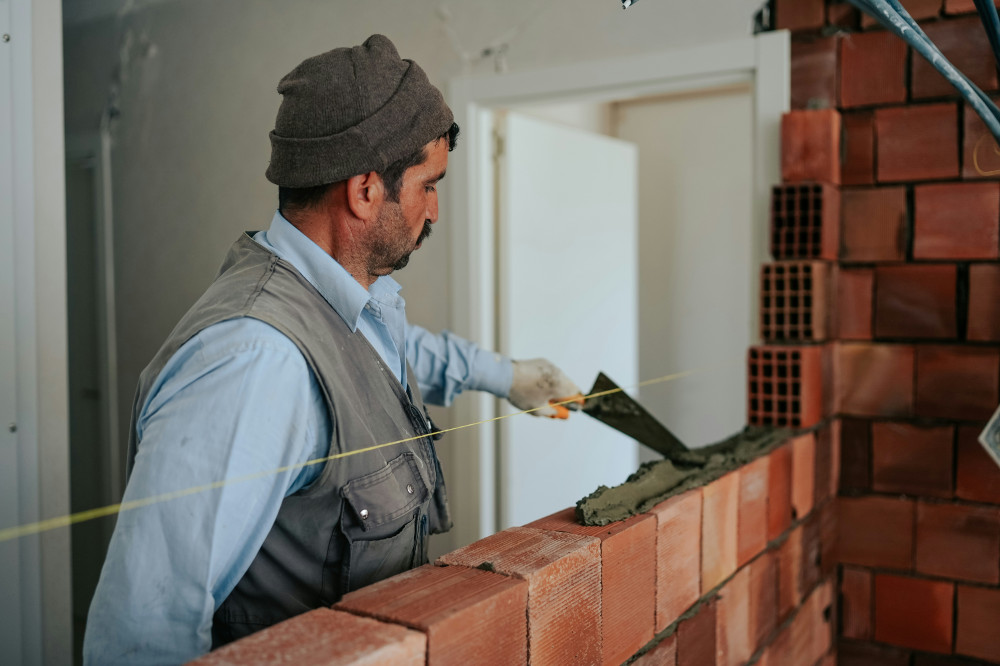
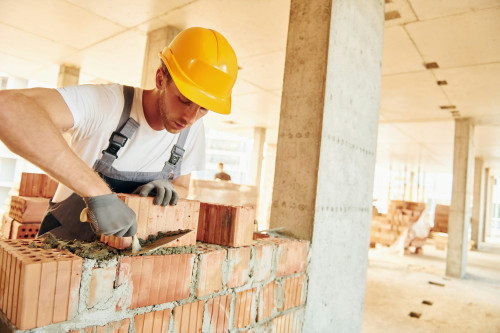
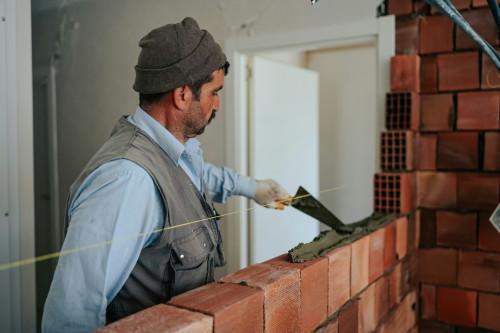
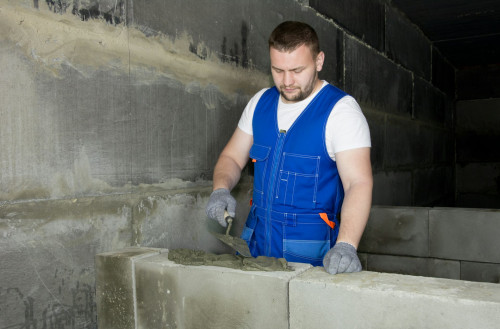
However, these methods require skill and understanding. The right mix, curing conditions, and application technique are essential to achieving durable results. As a result, there is renewed demand for tradespeople trained in traditional masonry and pointing — a welcome revival of craftsmanship in an increasingly mechanised industry.
Læs også:
A Tactile Aesthetic
In an era of smooth surfaces and prefabricated panels, traditional sealing methods bring a tactile quality that many contemporary buildings lack. The slight irregularities in joint width, the texture of the mortar, and the interplay of light and shadow all contribute to a sense of authenticity and human touch.
This is not about nostalgia, but about learning from the past to build better for the future. By combining modern materials and design principles with proven traditional techniques, architects can create buildings that are both innovative and enduring.
Building the Future on the Past
As Australia continues to embrace sustainable and context-sensitive architecture, the lessons of traditional sealing methods are more relevant than ever. They remind us that durability, beauty, and craftsmanship are not opposing values but complementary ones. When modern architecture meets classic sealing methods, the result is a built environment that respects its heritage while confidently facing the future.
Læs også: