How to Extend the Lifespan of Your Wall Insulation

How to Extend the Lifespan of Your Wall Insulation
Good wall insulation is one of the most effective ways to keep your home comfortable and energy-efficient, whether you live in a cool Tasmanian climate or the heat of northern Queensland. But even the best insulation won’t last forever. Moisture, pests, and general wear can reduce its performance over time – and that can show up in higher energy bills and less comfort indoors. Fortunately, with a bit of care and attention, you can significantly extend the lifespan of your wall insulation. Here’s how.
Know Your Insulation Type
Before you can maintain your insulation, it’s important to know what kind you have. In Australian homes, the most common wall insulation types include:
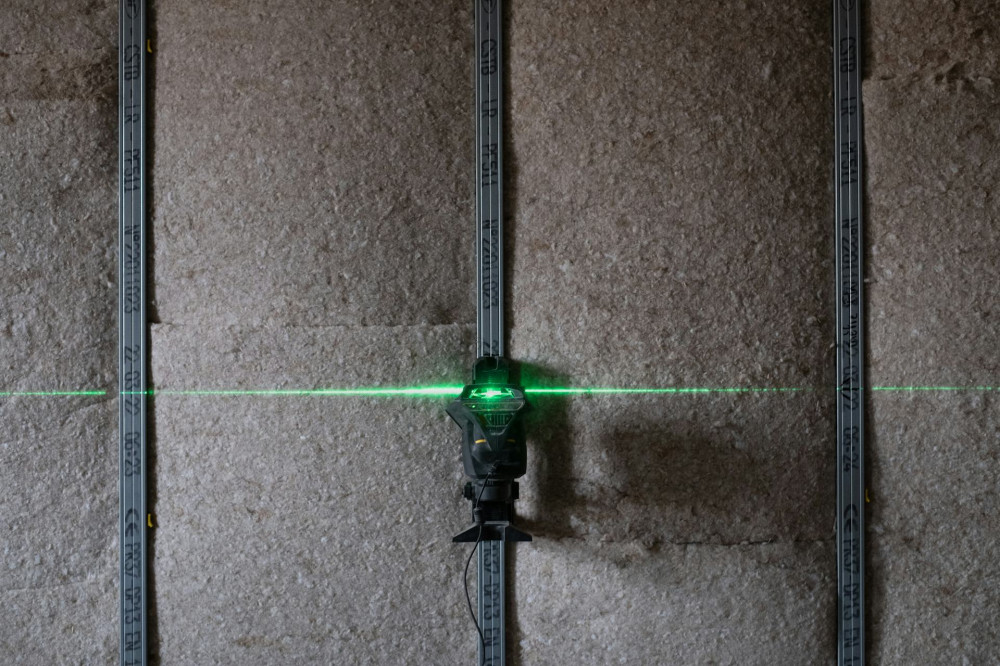
- Glasswool or rockwool batts – widely used in both new builds and retrofits; effective but sensitive to moisture.
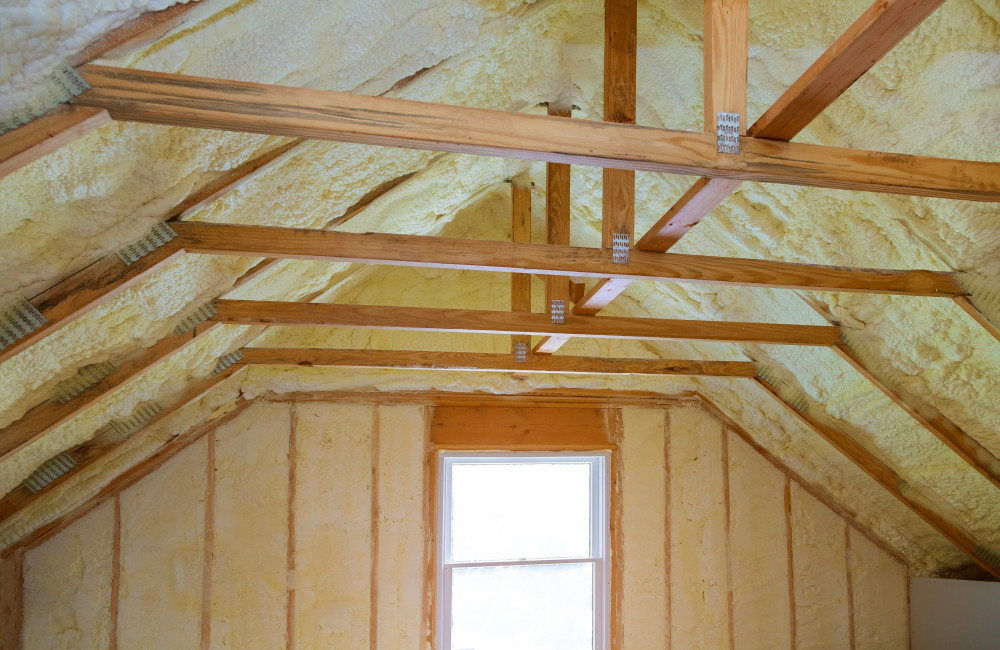
- Polyurethane or polystyrene foam boards – often used in external wall systems; durable but can be tricky to repair.
- Cellulose (recycled paper) insulation – an eco-friendly option, often blown into wall cavities during renovations.
Each material behaves differently under Australian conditions. For example, glasswool can lose efficiency if it gets damp, while foam boards can degrade under prolonged UV exposure if not properly sealed. Knowing your insulation type helps you spot potential issues early.
Keep Moisture and Heat Under Control
Moisture is insulation’s biggest enemy, but in Australia, heat can be just as damaging. High humidity, tropical storms, or even condensation from air conditioning can all affect insulation performance.
- Check for leaks around windows, doors, and rooflines. Even small gaps can let in moisture.
- Maintain good ventilation, especially in bathrooms, kitchens, and laundries.
- Inspect gutters and downpipes regularly to ensure rainwater is directed away from walls.
- In humid regions, consider vapour barriers or breathable membranes to prevent condensation build-up inside walls.
If you notice damp patches, musty smells, or mould, act quickly. A professional moisture inspection can determine whether your insulation has been compromised.
Læs også:
Protect Insulation During Renovations
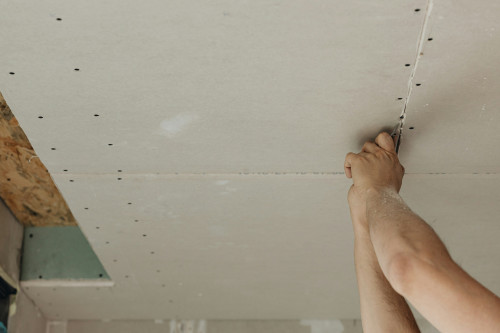
Many insulation problems arise during home improvements. Drilling, cutting, or removing wall panels can easily damage the insulation or the vapour barrier behind it.
- Always use the right tools and fixings when working on insulated walls.
- Avoid puncturing vapour barriers unless you can reseal them properly.
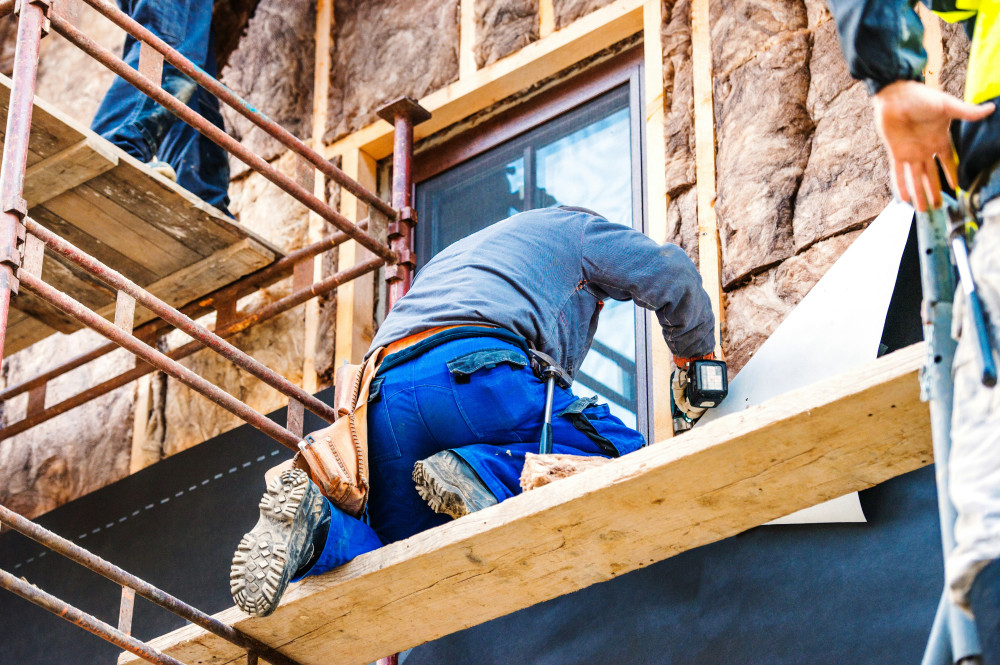
- When replacing windows or cladding, consult a qualified builder or insulation specialist to ensure the insulation remains intact.
A small mistake during renovation can lead to long-term moisture or thermal issues, so it’s worth taking extra care.
Inspect and Maintain Your Exterior
Your home’s exterior is the first line of defence against Australia’s harsh weather – from coastal salt air to desert dust storms. Cracks, peeling paint, or damaged cladding can allow water and pests to reach the insulation.
- Inspect your exterior walls at least once a year, ideally after the wet season or winter.
- Repair cracks and gaps promptly to prevent water ingress.
- If you have rendered or painted surfaces, keep them well-sealed to protect against UV and rain damage.
A well-maintained exterior not only protects your insulation but also extends the life of your entire building envelope.
Watch Out for Pests
In some parts of Australia, rodents, possums, and insects can find their way into wall cavities and damage insulation. They may nest in it, compress it, or contaminate it.
- Seal entry points around eaves, vents, and service penetrations.
- Use pest-resistant materials where possible, such as treated cellulose or closed-cell foam.
- If you hear scratching or notice droppings, call a pest control professional before the problem spreads.
Preventing pest access is far easier – and cheaper – than replacing damaged insulation later.
Consider Upgrading When Renovating
Even if your insulation is still functional, it may not meet modern energy standards. When renovating, it’s worth considering an upgrade.
- Top up or replace old insulation with higher R-value materials for better performance.
- Check cavity walls for settling or gaps that can be refilled with modern products.
- Consult an energy assessor to determine the most cost-effective improvements for your climate zone.
Upgrading insulation during renovations is often the most efficient way to improve comfort and reduce energy use.
Think Holistically
Insulation works best as part of a complete home energy system. Poorly sealed windows, uninsulated ceilings, or inadequate ventilation can undermine even the best wall insulation.
- Ensure balanced ventilation to manage humidity and air quality.
- Combine insulation with energy-efficient windows and doors.
- Plan whole-home energy upgrades to get the best long-term results.
When all elements work together, your insulation will perform better and last longer.
A Smart Investment in Comfort and Efficiency
Caring for your wall insulation doesn’t require major effort, but it can make a big difference over time. Regular inspections, prompt repairs, and good ventilation are key to keeping it effective for many years.
By maintaining your insulation, you’re not just saving on energy bills – you’re protecting your home from moisture, pests, and heat, and ensuring a comfortable indoor environment all year round.
Læs også: