Home Insulation: How to Prepare Your House for Future Energy Standards

Home Insulation: How to Prepare Your House for Future Energy Standards
Australia’s energy standards for homes are becoming increasingly ambitious, reflecting the country’s commitment to reducing emissions and improving energy efficiency. With rising energy costs and hotter summers, better insulation is one of the smartest ways to make your home more comfortable, sustainable, and future-ready. But where should you start, and what should you consider? Here’s a guide to help you prepare your home for the energy standards of tomorrow.
Why Insulate?
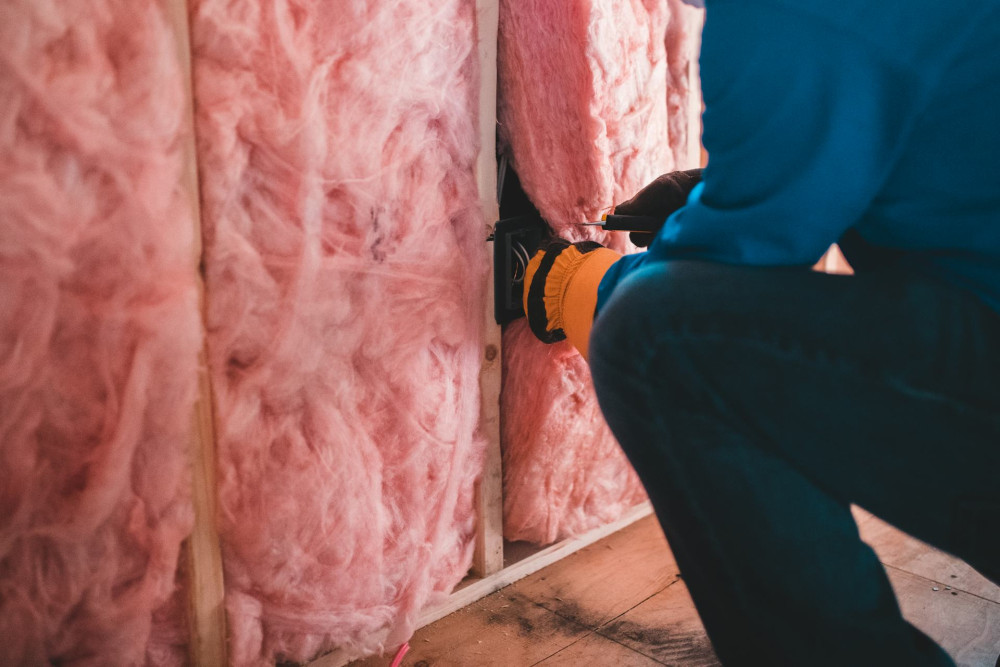
In many Australian homes—especially those built before the 2000s—a significant amount of heat is lost in winter and gained in summer through the roof, walls, floors, and windows. This means you’re paying more for heating and cooling than necessary. Proper insulation helps stabilise indoor temperatures, reducing the need for air conditioning and heating.
Beyond energy savings, insulation improves comfort by minimising drafts and temperature fluctuations. It can also increase your property’s value and make it more appealing to future buyers who are looking for energy-efficient homes.
Start with an Energy Assessment
Before you begin, it’s worth arranging a home energy assessment. A qualified energy assessor can identify where your home is losing or gaining the most heat and recommend the most cost-effective improvements.
A typical assessment may include:
- Thermal imaging to detect heat leaks.
- Inspection of roof spaces, external walls, floors, and windows.
- Calculations of potential energy savings and payback periods.
This professional insight helps you prioritise upgrades and avoid unnecessary expenses.
Key Areas to Insulate
Roof and Ceiling
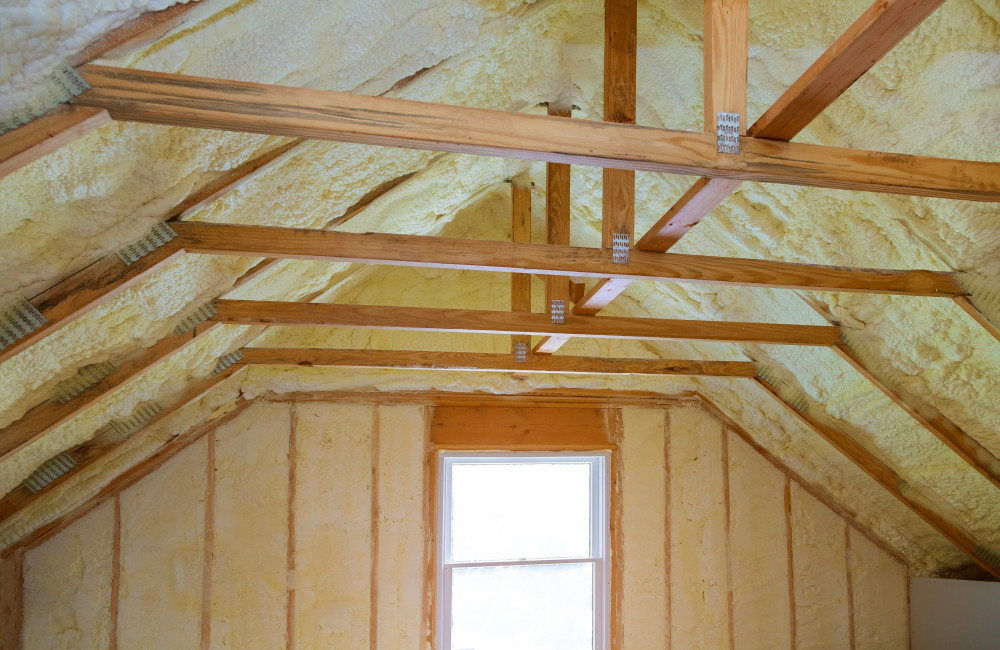
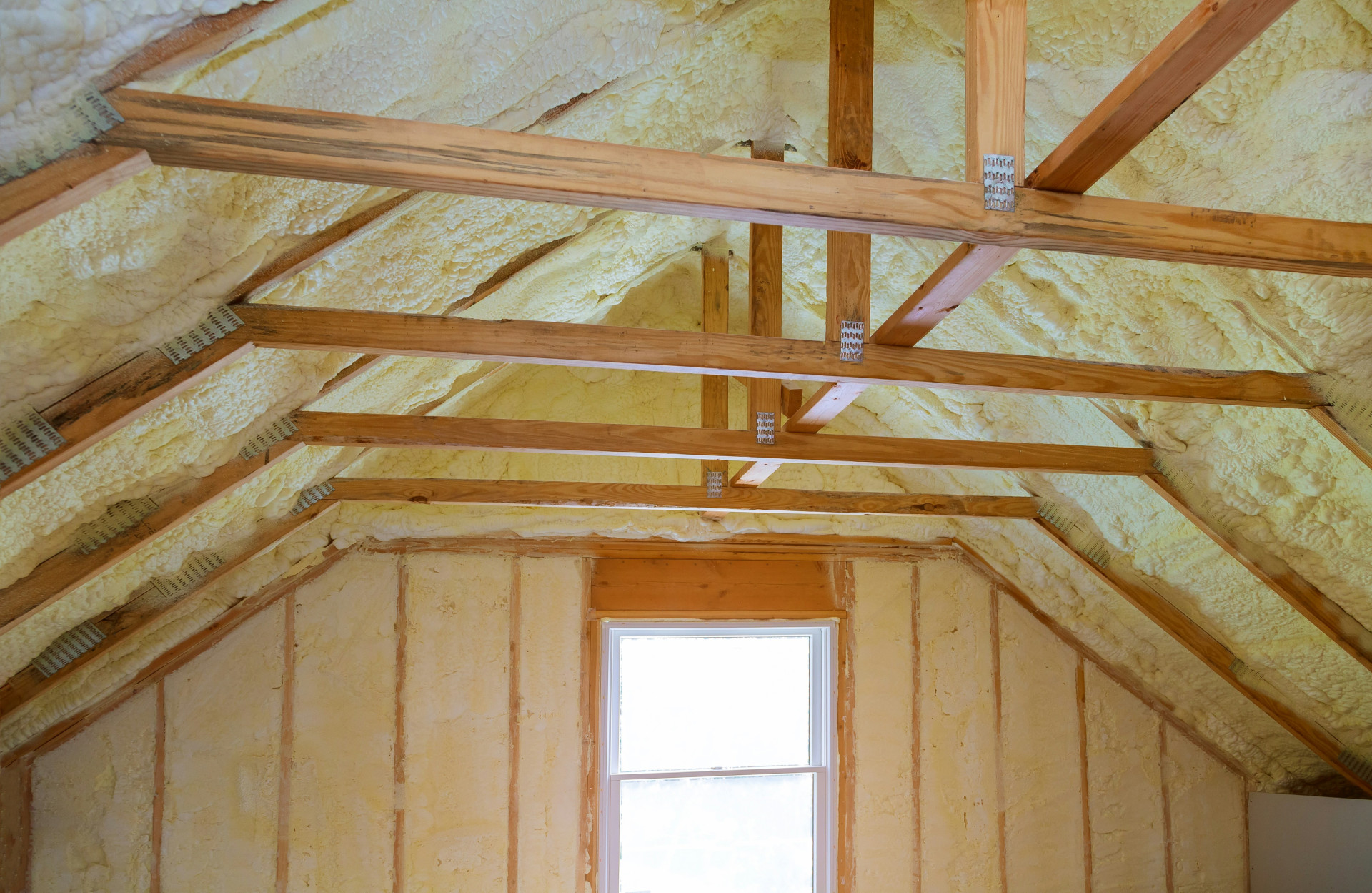
In Australia’s climate, the roof is the most critical area to insulate. Up to 35% of heat can escape through an uninsulated ceiling. Adding or upgrading ceiling insulation—typically to at least R4.0 or higher depending on your climate zone—can make a huge difference. Ensure there’s adequate ventilation to prevent moisture build-up, especially in humid regions.
Walls
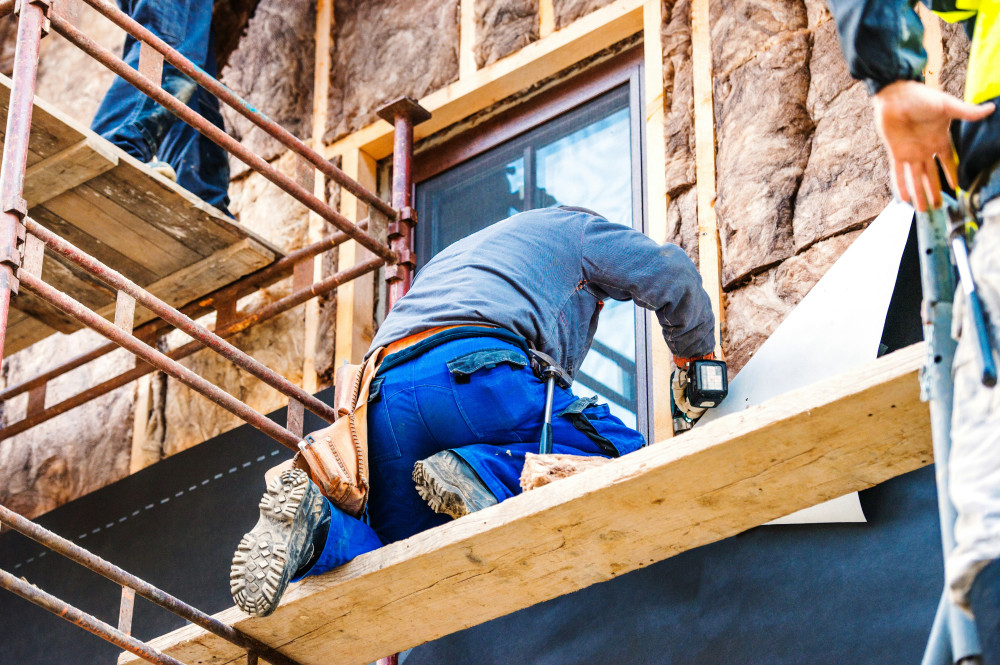
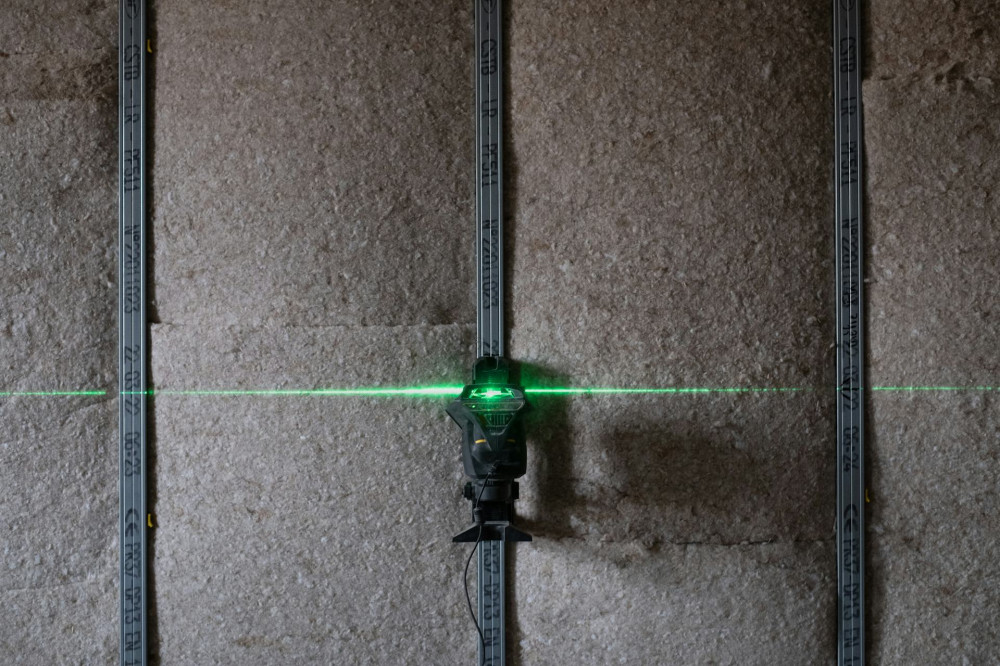
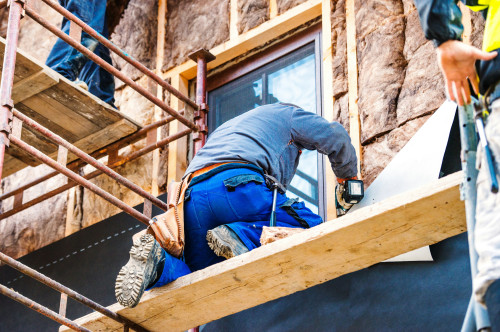
Wall insulation can significantly reduce heat transfer. Many older brick veneer homes have uninsulated wall cavities that can be retrofitted with blown-in insulation. For major renovations, external wall insulation systems can provide even better performance, though they may alter the home’s appearance.
Floors
If your home has a raised timber floor, insulating underneath can help keep it warmer in winter and cooler in summer. For concrete slabs, insulation is best added during construction, but rugs and underlays can still improve comfort in existing homes.
Windows and Doors
Windows are a major source of heat gain and loss. Upgrading to double glazing or installing low-emissivity (low-e) glass can reduce energy use significantly. If replacement isn’t an option, consider draught-proofing seals, heavy curtains, or external shading to improve performance.
Choosing the Right Materials
Australia’s diverse climates—from tropical north to cool southern regions—mean insulation needs vary. Common materials include:
- Glasswool and rockwool: Affordable, effective, and widely available.
- Cellulose fibre: Made from recycled paper, offering good thermal and acoustic performance.
- Polyester batts: Non-irritant and durable, often made from recycled plastic.
- Natural fibre options such as wool or hemp: Sustainable and moisture-regulating, ideal for eco-conscious homeowners.
Always check the R-value (thermal resistance) recommended for your climate zone, as specified in the National Construction Code (NCC).
Avoid Common Mistakes
Insulation can deliver great results, but only if installed correctly. Watch out for these pitfalls:
- Gaps or compression in insulation reduce its effectiveness.
- Poor moisture control can lead to condensation and mould.
- Blocked ventilation in roof spaces can cause overheating or dampness.
If you’re unsure, it’s best to hire a licensed installer familiar with Australian standards and safety requirements.
Costs, Savings, and Incentives
Insulation is an investment that pays off through lower energy bills and improved comfort. Depending on your home’s size and the materials used, most projects have a payback period of 5–10 years.
You may also be eligible for government rebates or energy efficiency incentives, which vary by state and territory. Check programs such as the Victorian Energy Upgrades (VEU) scheme or the NSW Energy Savings Scheme for potential support.
Læs også:
The Future of Australian Homes
Improving your home’s insulation isn’t just about saving money—it’s about building resilience for the future. As Australia moves toward net-zero emissions and tighter building standards, well-insulated homes will become the norm.
Whether you live in a heritage cottage or a modern suburban house, upgrading your insulation is one of the most effective ways to create a home that’s comfortable, energy-efficient, and ready for the challenges of a changing climate.
Læs også: