Heat Pumps – The Path to Future Comfort and Energy Efficiency

Heat Pumps – The Path to Future Comfort and Energy Efficiency
As energy costs fluctuate and climate awareness grows, heat pumps are becoming one of the most attractive options for heating and cooling homes across Australia. They combine advanced technology with high energy efficiency, helping households reduce both their carbon footprint and their electricity bills. But how exactly do heat pumps work, and why are they considered a key part of Australia’s energy future?
What Is a Heat Pump?
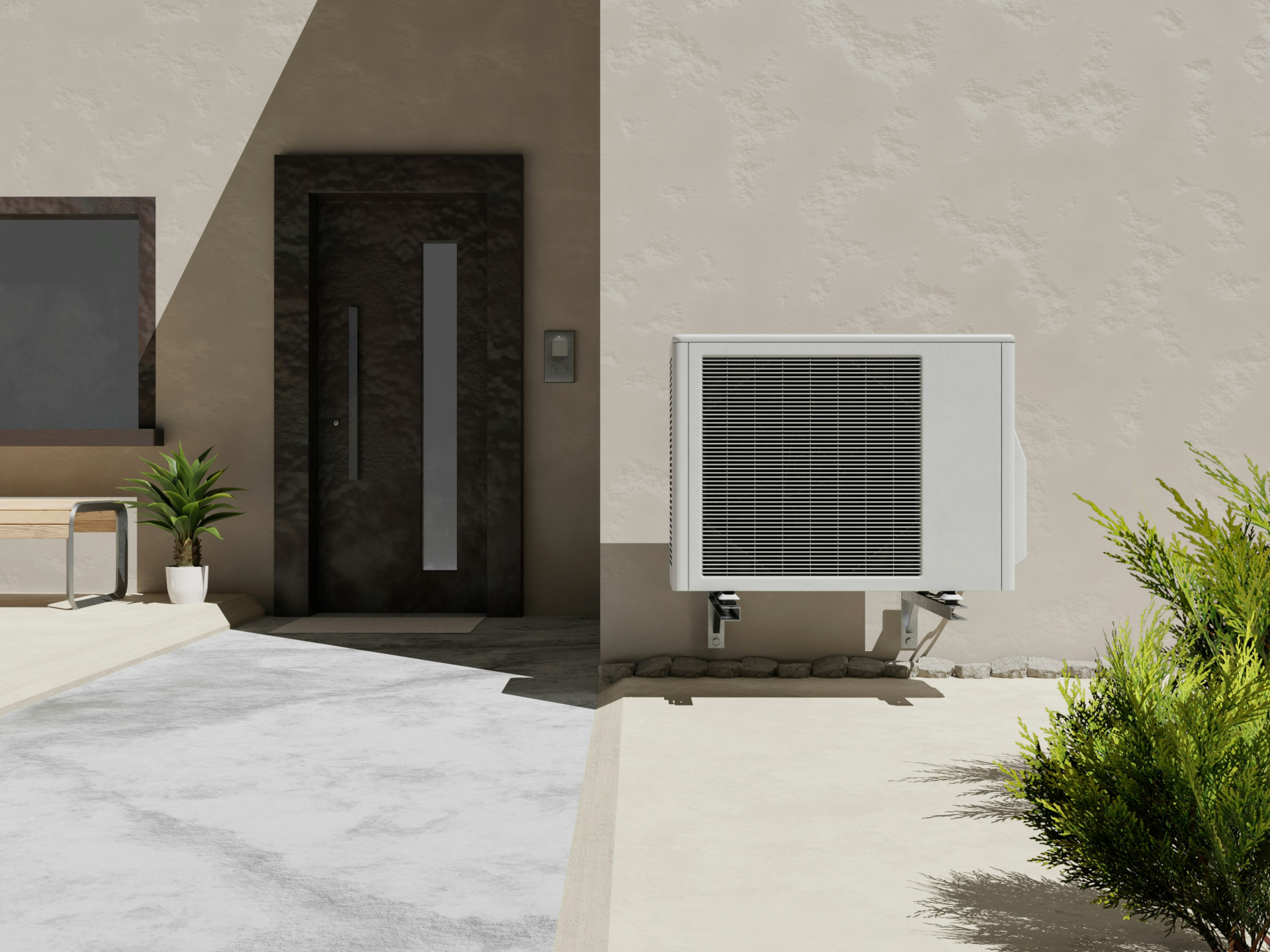
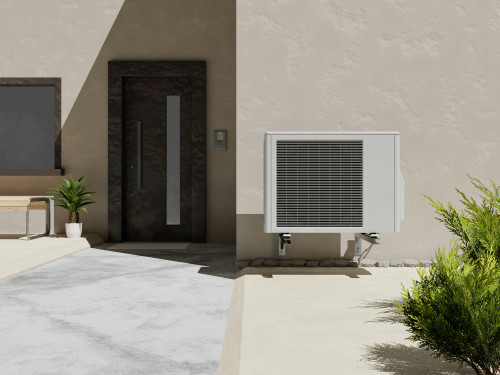
A heat pump captures energy that already exists in the environment — from the air, ground, or water — and transfers it to heat or cool your home. It works much like a reverse refrigerator: instead of removing heat from inside, it extracts heat from outside and moves it indoors. In summer, the process can be reversed to provide cooling.
There are three main types of heat pumps:
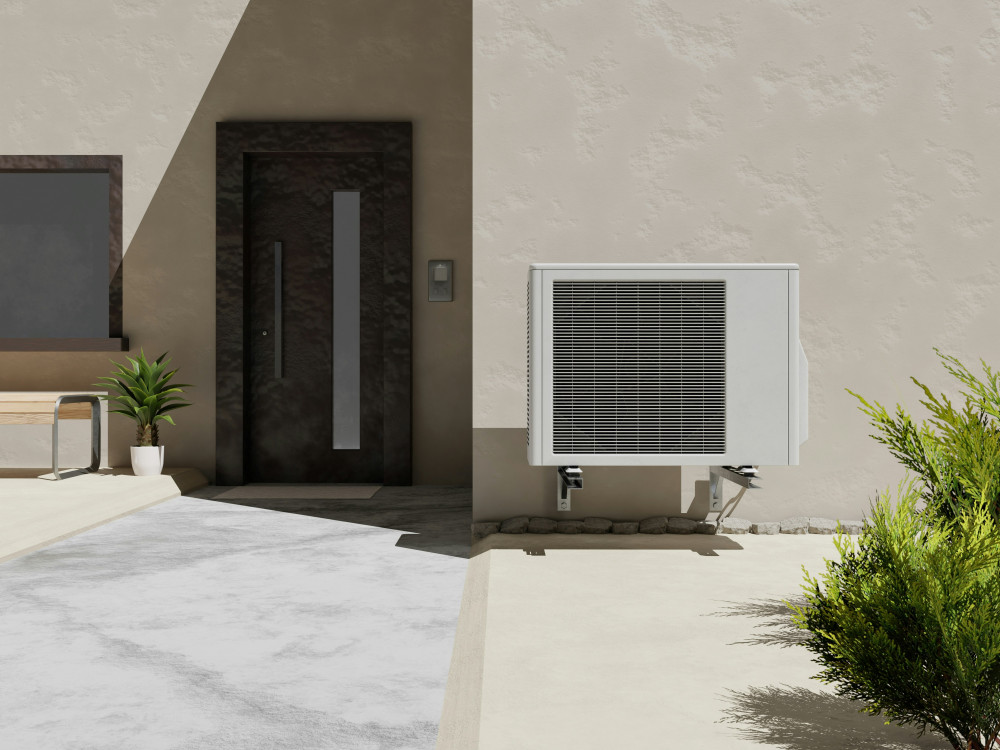
- Air-to-air heat pump – draws heat from the outside air and delivers it directly into the home. Ideal for smaller houses, apartments, or as a supplement to other systems.
- Air-to-water heat pump – uses outdoor air to heat water for a home’s hydronic system, providing both space heating and hot water.
- Ground-source (geothermal) heat pump – extracts heat from the ground through buried pipes. It’s the most efficient option but requires more space and a higher upfront investment.
Læs også:
Why Choose a Heat Pump?
Australians are increasingly turning to heat pumps for several reasons:
- Lower energy use – a heat pump can deliver three to five times more heating or cooling energy than the electricity it consumes.
- Environmentally friendly – by using renewable energy from the air or ground, heat pumps significantly reduce greenhouse gas emissions.
- Year-round comfort – they provide consistent indoor temperatures and can both heat and cool your home.
- Future-ready technology – as Australia transitions away from gas and towards electrification, heat pumps are central to a cleaner, smarter energy system.
While the initial cost can seem high, the savings on energy bills and potential government rebates often make the investment worthwhile within a few years.
Choosing the Right Heat Pump
The best heat pump for your home depends on factors such as size, insulation, existing heating system, and climate zone.
- For homes with hydronic systems, an air-to-water or ground-source heat pump is often the best choice.
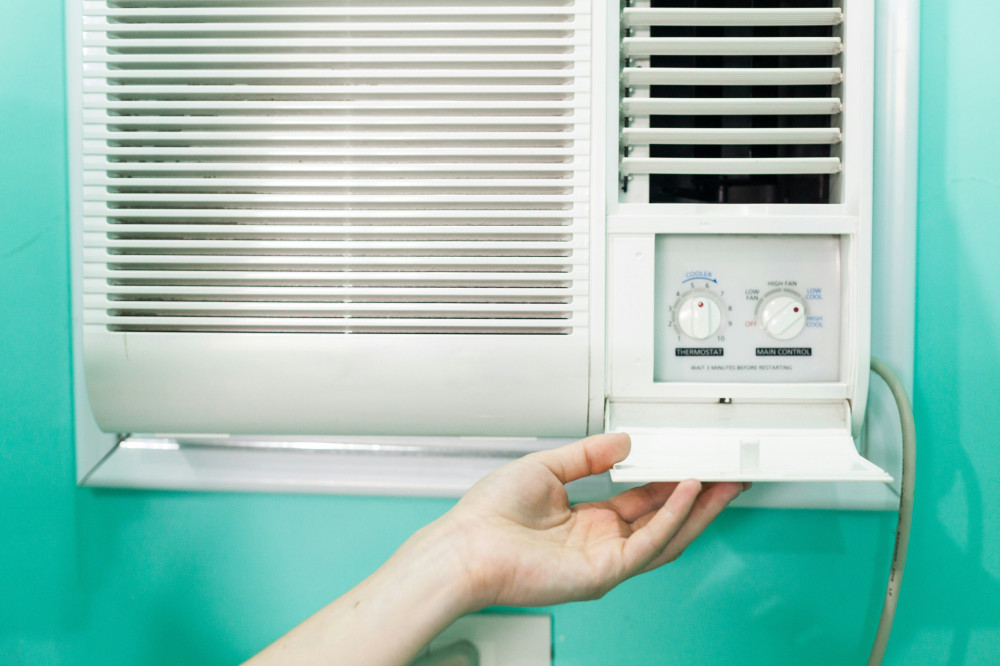
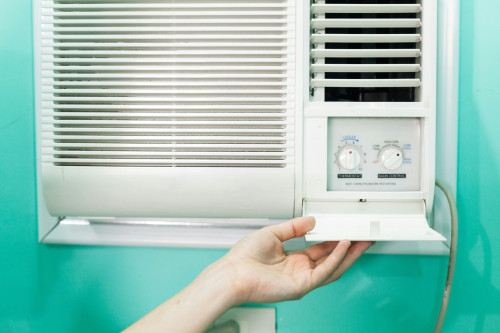
- For smaller homes or apartments, an air-to-air system (often called a reverse-cycle air conditioner) is simple and cost-effective.
- For new builds, integrating a heat pump from the start ensures optimal efficiency and design flexibility.
It’s also important to check the Seasonal Coefficient of Performance (SCOP) or Energy Star rating, which indicates how efficiently the system operates throughout the year.
Installation and Maintenance
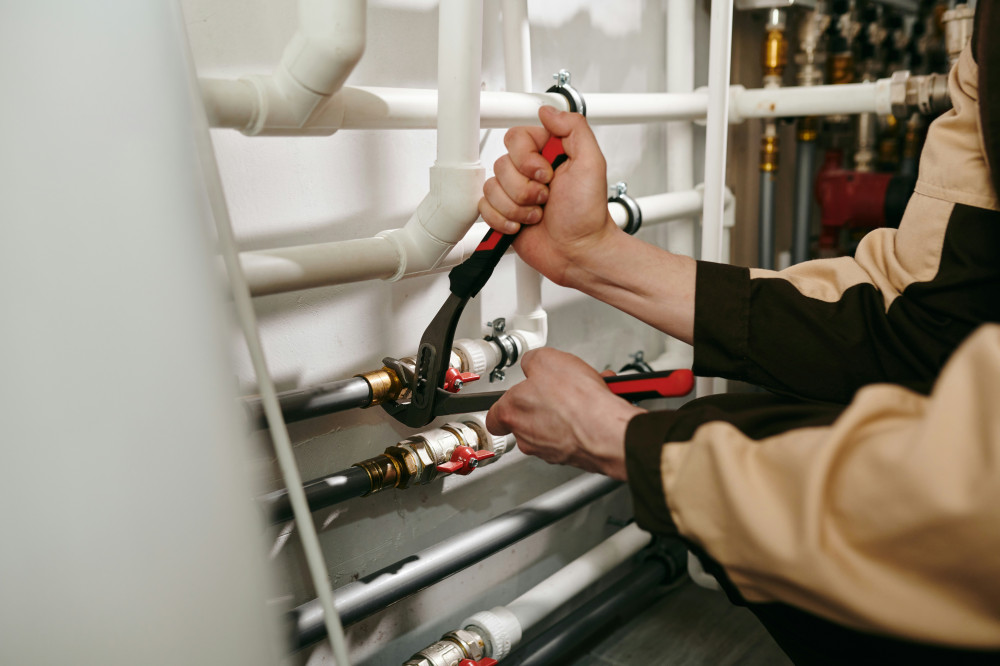
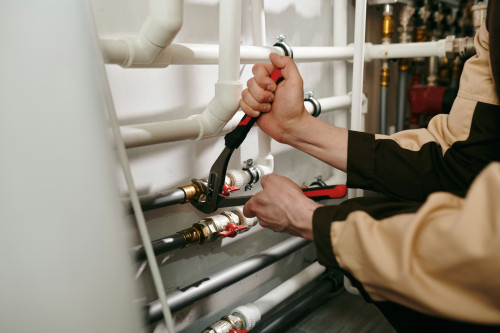
Proper installation is essential for performance and efficiency. Always use a licensed installer who can size the system correctly and ensure it meets Australian standards.
Maintenance is straightforward but important:
- Clean or replace filters regularly.
- Keep the outdoor unit clear of leaves, dust, and debris.
- Schedule an annual service to maintain efficiency and extend the system’s lifespan.
A well-maintained heat pump can last 15–20 years or more.
Costs and Incentives
The cost of a heat pump varies widely — from around AUD 2,000 for a small air-to-air unit to over AUD 15,000 for a large hydronic or ground-source system. However, running costs are much lower than those of gas or electric resistance heating.
Australians can also benefit from various government rebates and incentives, such as the Small-scale Renewable Energy Scheme (SRES) and state-based programs in Victoria, New South Wales, and other regions. These can significantly reduce the upfront cost of installation.
The Future of Heating and Cooling Is Electric
Heat pumps are a cornerstone of Australia’s clean energy transition. When combined with rooftop solar panels, battery storage, and smart home systems, they can automatically adjust operation based on electricity prices and weather conditions — maximising comfort while minimising costs and emissions.
With ongoing technological improvements, modern heat pumps are quieter, more efficient, and better suited to Australia’s diverse climates — from the humid tropics to the cool southern states.
A Smart Investment in Comfort and Sustainability
Switching to a heat pump isn’t just about saving money; it’s about investing in a sustainable future. You’ll enjoy a comfortable home, lower energy bills, and the satisfaction of contributing to Australia’s clean energy goals.
In short: heat pumps are more than a trend — they’re a smart, future-proof choice for comfort, efficiency, and the environment.
Læs også: