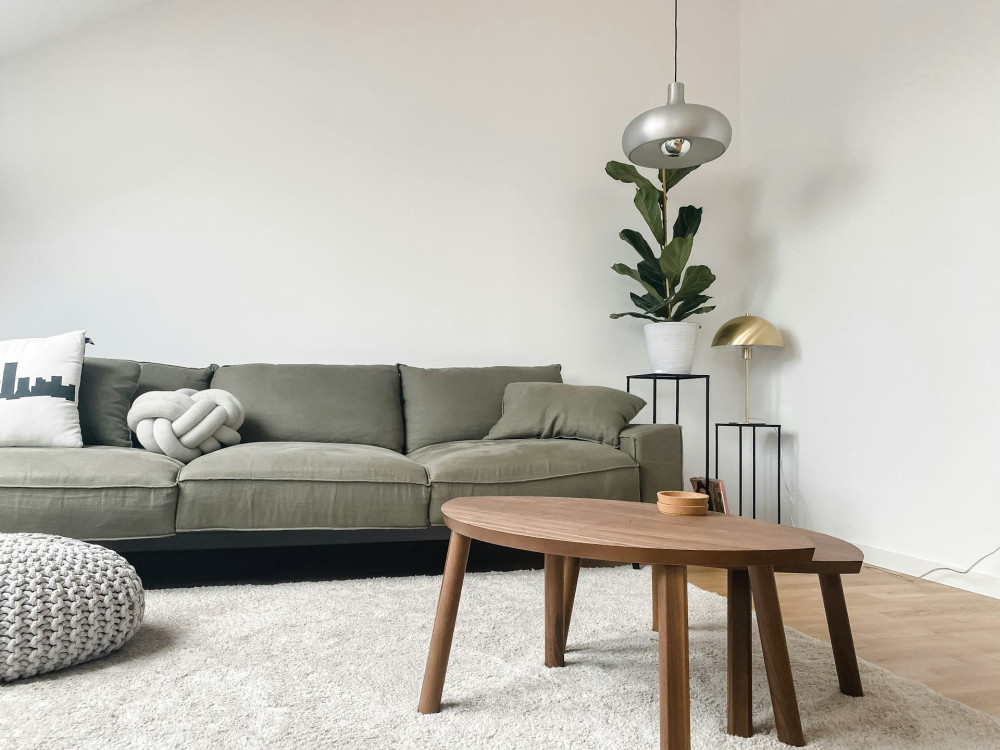
Ventilation – your best friend against mould and damp


Ventilation – your best friend against mould and damp
A healthy home isn’t just about keeping things clean or maintaining the right temperature – it’s also about the air you breathe. Without proper ventilation, moisture and indoor pollutants can quickly build up, leading to mould, musty smells, and even health issues. The good news is that with a few simple habits – and perhaps a ventilation system – you can keep your home fresh, dry, and comfortable. Here’s why ventilation matters and how to make it work for you in the Australian climate.
Why ventilation matters
Everyday activities like cooking, showering, and even breathing release moisture into the air. In a typical household, several litres of water vapour can be produced each day. If that moisture isn’t removed, it settles on walls, ceilings, and windows – creating the perfect environment for mould to grow.
Mould spores are naturally present in the air, but they only thrive when humidity is high. Ventilation is your best defence: it removes damp air and replaces it with fresh, dry air, preventing moisture from building up in the first place.
Læs også:
Signs of poor ventilation
It’s not always obvious when your home isn’t getting enough fresh air. Look out for these common warning signs:
- Condensation on the inside of windows, especially in the morning.
- A musty or stale smell that lingers.
- Dark spots or discolouration on walls, ceilings, or around windows.
- Frequent headaches or irritation of the eyes and airways.
If you notice several of these signs, it’s time to improve airflow in your home.
How to ventilate effectively
The simplest and cheapest way to ventilate is by opening windows and doors – but doing it right makes all the difference.
- Air out your home two to three times a day for 5–10 minutes with cross-ventilation. This quickly replaces indoor air without cooling down walls and furniture too much.
- Close the bathroom door while showering and open a window or run the exhaust fan afterwards to remove steam.
- Use your rangehood every time you cook, even when boiling water.
- Keep vents and air grilles clean and open so air can circulate freely.
In cooler regions or during winter, it can be tempting to keep everything shut to save energy, but trapped moisture can cause far more costly damage in the long run.
Mechanical ventilation – a modern solution
In newer, well-sealed homes, natural ventilation may not be enough. A mechanical ventilation system with heat recovery can be a smart investment. It continuously replaces stale indoor air with fresh outdoor air while retaining most of the heat, keeping your home comfortable and energy-efficient.
These systems do require maintenance: filters should be replaced a couple of times a year, and ducts cleaned periodically. In return, you’ll enjoy a consistently healthy indoor climate without having to think about daily airing.
Managing moisture in problem areas
Some rooms are more prone to dampness than others. Bathrooms, laundries, and bedrooms need special attention.
- Bathroom: Make sure the exhaust fan works properly and let it run for a few minutes after each shower.
- Laundry: Vent your dryer outside and avoid drying clothes indoors whenever possible.
- Bedroom: Open windows each morning and avoid placing large furniture directly against external walls.
Small changes in daily habits can make a big difference to humidity levels in your home.
A healthy home pays off
Good ventilation isn’t just about preventing mould – it’s about wellbeing. Fresh air improves sleep, concentration, and overall comfort. It also protects your home from structural damage caused by dampness, saving you money and stress in the long term.
By combining regular airing, sensible heating, and, if needed, a mechanical ventilation system, you can create a home that feels fresh, smells clean, and stays healthy all year round – no matter where in Australia you live.
Læs også: