A maintenance plan that keeps your home healthy and durable

A maintenance plan that keeps your home healthy and durable
Your home is one of your biggest investments – and like any valuable asset, it needs regular care to stay safe, comfortable, and long-lasting. In Australia’s varied climate, from coastal humidity to dry inland heat, small issues can quickly turn into costly repairs if left unchecked. A maintenance plan helps you stay on top of things, prevent damage, and keep your home in great shape year after year. Here’s how to create one that suits your home and lifestyle.
Why a maintenance plan matters
A well-structured maintenance plan makes it easier to:
- Prevent damage – by spotting leaks, cracks, or pest problems before they escalate.
- Manage costs – by spreading expenses over time instead of facing sudden, expensive repairs.
- Protect your home’s value – a well-maintained property stands out in the market.
- Ensure safety and comfort – knowing your home’s systems are working properly gives peace of mind.
In short, planned maintenance is far cheaper and less stressful than emergency repairs.
Læs også:

Start with a full inspection
Before you can plan, you need to know your home’s current condition. Take a systematic approach and inspect everything from the roof to the foundations. Note what’s in good shape and what needs attention.
Divide your inspection into key areas:
- Roof and gutters – check for loose tiles, rust, or blockages, especially after storms.
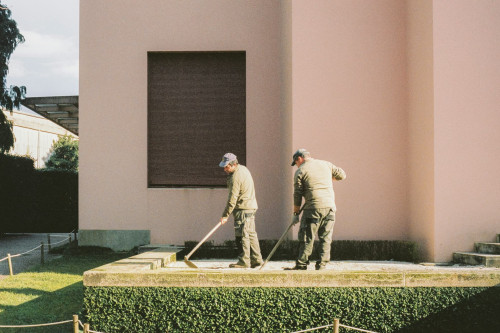
- Exterior walls and foundations – look for cracks, peeling paint, or signs of damp.
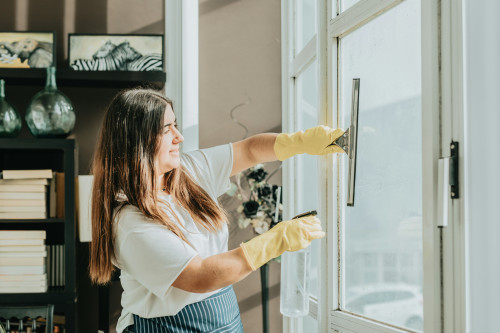
- Windows and doors – inspect seals, hinges, and paintwork for wear.
- Plumbing and electrical systems – ensure there are no leaks, corrosion, or faulty wiring.
- Indoor environment – watch for mould, condensation, or poor ventilation.
If your home is older or in a high-risk area (for example, termite-prone regions), consider getting a professional building inspection to establish a solid baseline.
Plan your maintenance by season
Australia’s climate varies widely, but most regions benefit from a seasonal approach to maintenance. Here’s a general guide:
- Summer: Check air conditioning systems, repaint or reseal exposed timber, and inspect outdoor decks and fences for sun damage.
- Autumn: Clean gutters and downpipes before the rainy season, trim trees near the house, and check roof drainage.
- Winter: Test smoke alarms and heating systems, look for drafts, and ensure insulation is performing well.
- Spring: Inspect for pests such as termites, wash exterior walls, and service garden irrigation systems.
By spreading tasks throughout the year, maintenance becomes manageable and routine rather than overwhelming.
Prioritise and budget
Not every task is urgent. Sort your maintenance list into three categories:
- Urgent repairs – such as leaks, electrical faults, or structural damage.
- Preventive maintenance – like repainting, resealing, or servicing appliances.
- Improvements – upgrades that enhance comfort or efficiency, such as solar panels or better insulation.
Create a 5–10-year budget that includes both regular upkeep and larger projects. This helps you plan financially and avoid unpleasant surprises.
Keep records and review regularly
A maintenance plan isn’t static – it evolves with your home. Record what you’ve done, when it was done, and when it’s due again. You can use a spreadsheet, a home maintenance app, or even a simple notebook.
Keep receipts, warranties, and photos of completed work. This documentation not only helps you stay organised but also adds value if you decide to sell your home.
Think sustainably and long-term
Good maintenance is also about making smart, sustainable choices. When replacing materials or systems, choose durable, energy-efficient options that suit Australia’s conditions.
Consider:
- Installing water-efficient taps and showerheads.
- Using UV-resistant exterior paints and finishes.
- Upgrading to double-glazed windows for better insulation.
- Choosing native plants that require less water and maintenance.
These choices save money over time and reduce your environmental footprint.
A plan that brings peace of mind
A maintenance plan is more than a checklist – it’s a way to protect your home, your comfort, and your investment. With a clear plan, you can enjoy your home knowing it’s safe, efficient, and ready for the years ahead.
Taking care of your home is taking care of your lifestyle – and with a thoughtful maintenance plan, it becomes easier, smarter, and more rewarding.
Læs også: