Teach Children About Nature’s Cycles Through Small Garden Projects

Teach Children About Nature’s Cycles Through Small Garden Projects
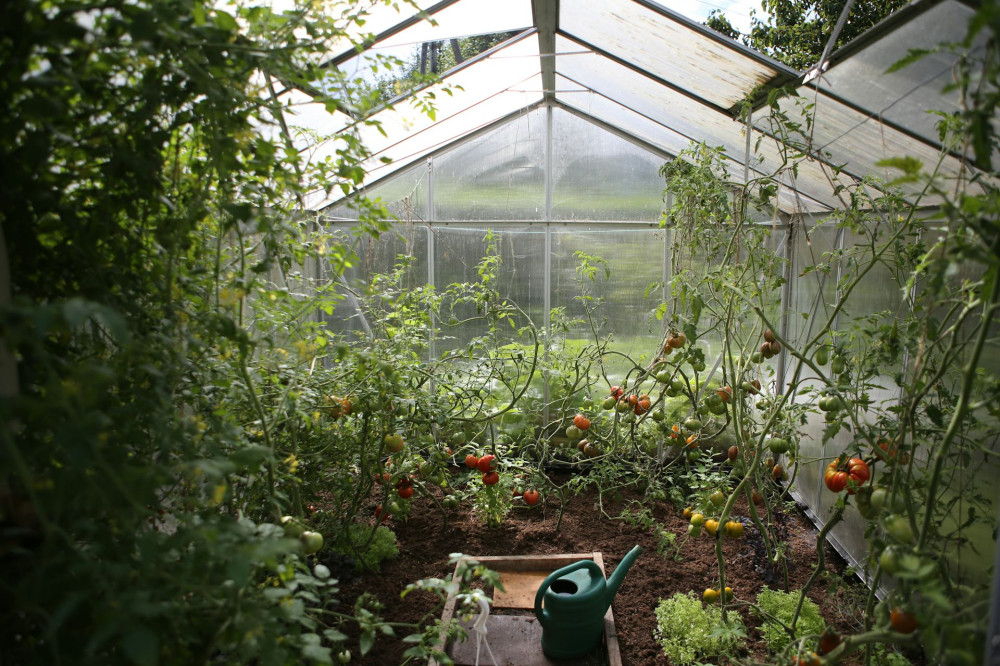
Understanding nature’s cycles is one of the most valuable lessons children can learn. When they see how plants sprout, grow, wither, and return to the soil as nourishment for new life, they gain a real sense of how everything in nature is connected. Small garden projects are a wonderful way to make that knowledge come alive – and to spend meaningful time together as a family. Here’s how you can teach children about nature’s cycles through simple, hands-on activities in your backyard, on a balcony, or even in pots on a veranda.
Start with the soil – the foundation of life
Everything begins in the soil. It’s full of life, even if we can’t always see it. Dig a small hole with your children and look closely at what’s inside: earthworms, beetles, and maybe a few tiny ants. Explain how these creatures help break down leaves and plant matter, turning them into rich, healthy soil.
A great project is to make a compost bin. You can use an old plastic container or a wooden box and fill it with garden clippings, fruit and vegetable scraps, and a bit of soil. Over time, children can watch how the waste slowly transforms into dark, crumbly compost – nature’s own recycling system.
Plant seeds and follow the cycle of life
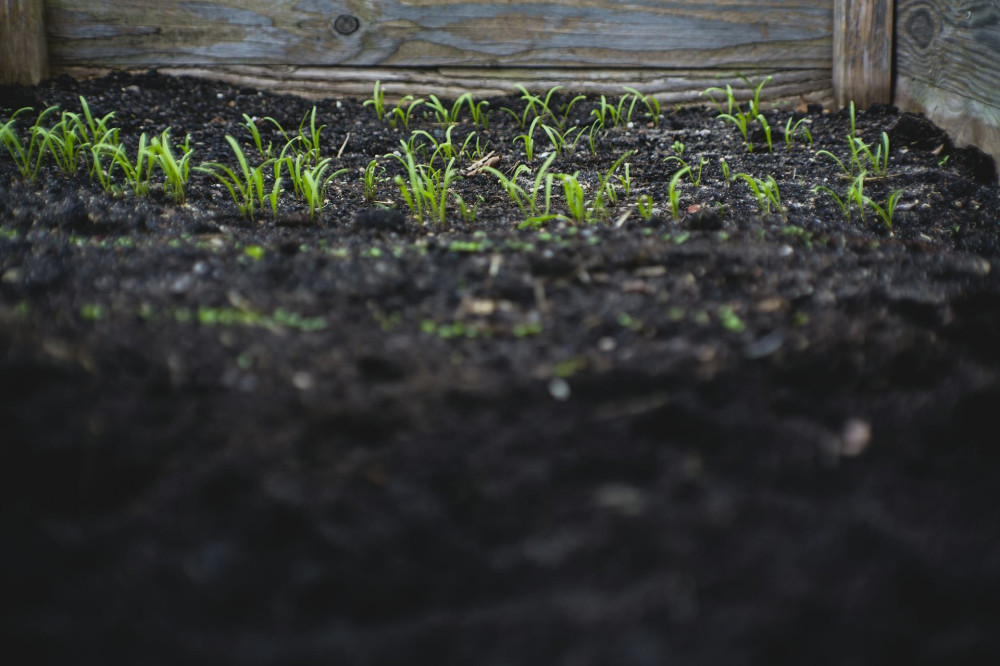
Planting seeds is a classic activity, but it’s also one of the most powerful ways to show how life begins. Choose fast-growing plants like beans, sunflowers, or lettuce so children can see results quickly. Talk about what plants need to thrive: sunlight, water, and nutrients. As they grow, observe how roots reach down into the soil while stems stretch toward the light.
For an extra lesson, let some plants complete their full life cycle. Allow them to flower, set seed, and dry out. Children will see how the cycle continues – from seed to plant and back to seed again.
Læs også:

Explore the water cycle – from rain to life
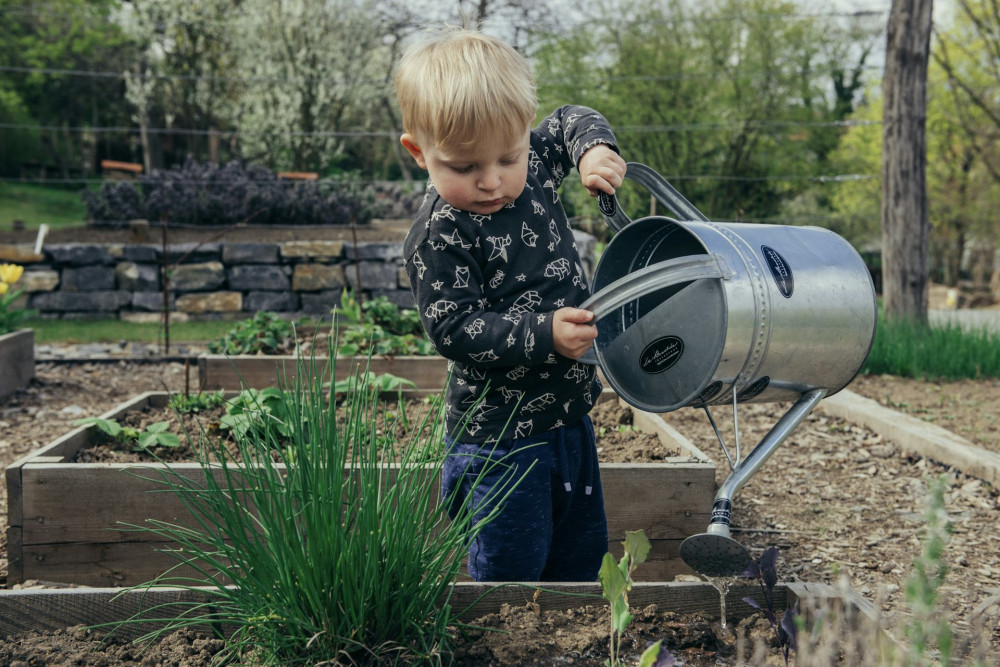
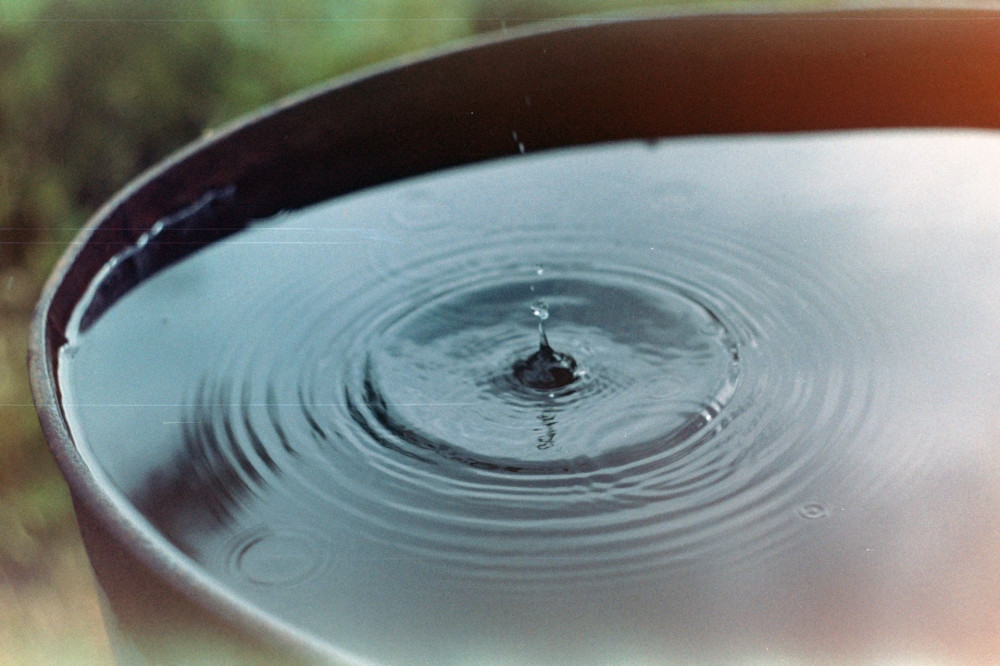
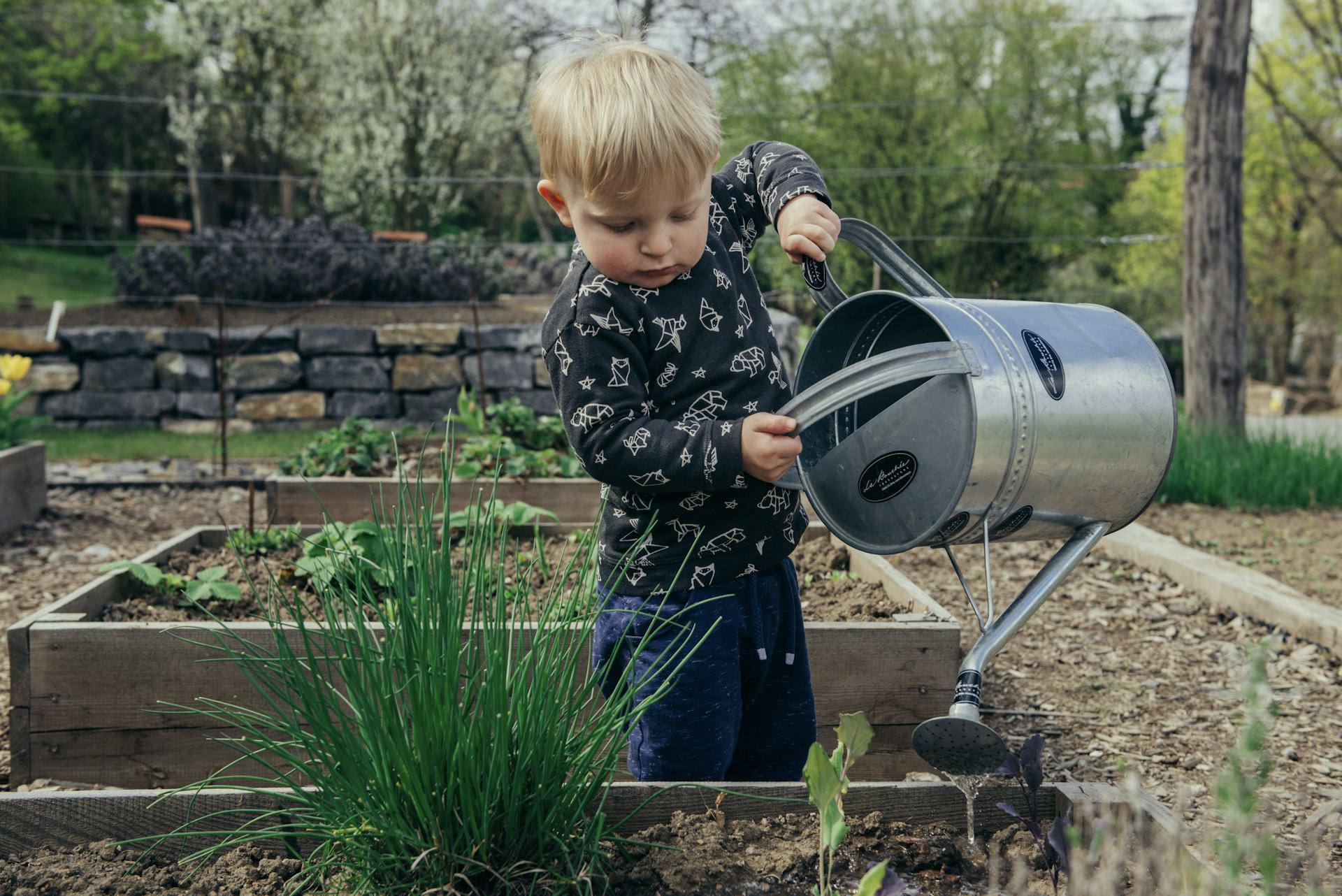
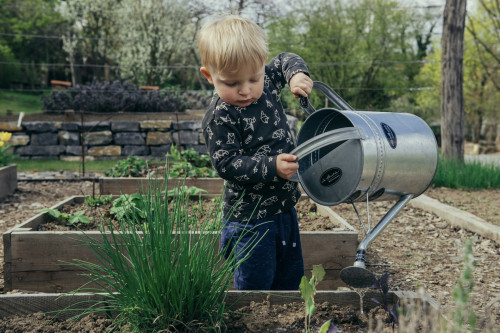
Water is at the heart of nature’s cycles. Create a small rainwater project by collecting water in a bucket or rain barrel. Use the collected water to care for your plants, and talk about how rain, evaporation, and clouds are all part of the same system.
You can also make a mini water cycle in a jar: place a bit of moist soil and a small plant inside, then seal it with a lid and put it in a sunny spot. Soon, children will notice condensation forming on the lid and dripping back down – just like rainfall in nature.
Build a mini ecosystem
A mini ecosystem can be created in a pot, a raised bed, or even a small patch of garden. Plant a mix of native flowers, herbs, and small shrubs, and watch as insects, snails, and birds begin to visit. Explain how each organism plays a role: bees pollinate, worms aerate the soil, and plants produce oxygen.
If you have space, build a bug hotel using bamboo tubes, pinecones, and bits of wood. It provides shelter for native bees and other beneficial insects – and children can keep track of who moves in.
Harvest, taste, and give back
When your plants produce fruit or vegetables, it’s time to harvest. Let children taste what they’ve grown – it’s a powerful way to understand where food comes from. At the same time, talk about how we can give back to nature: save seeds for next season, add old plants to the compost, and leave some flowers for pollinators.
In this way, the garden becomes a living example of how nothing goes to waste in nature’s cycles.
Make learning playful
Children learn best through play. Create small challenges like “find five creatures in the soil” or “guess where the rainwater goes.” Keep a garden journal for drawings and notes, and track changes week by week. This makes nature tangible – and builds memories that last.
A gift that grows over time
Teaching children about nature’s cycles isn’t just about plants and soil. It’s about nurturing respect for the environment and understanding that everything is connected. Small garden projects can spark a lifelong interest in sustainability, ecology, and the living world around us.
And you might find that seeing nature through your children’s curious eyes makes it even more fascinating for you too.
Læs også: