Safe and Practical Nursery – How to Set It Up Step by Step

Safe and Practical Nursery – How to Set It Up Step by Step
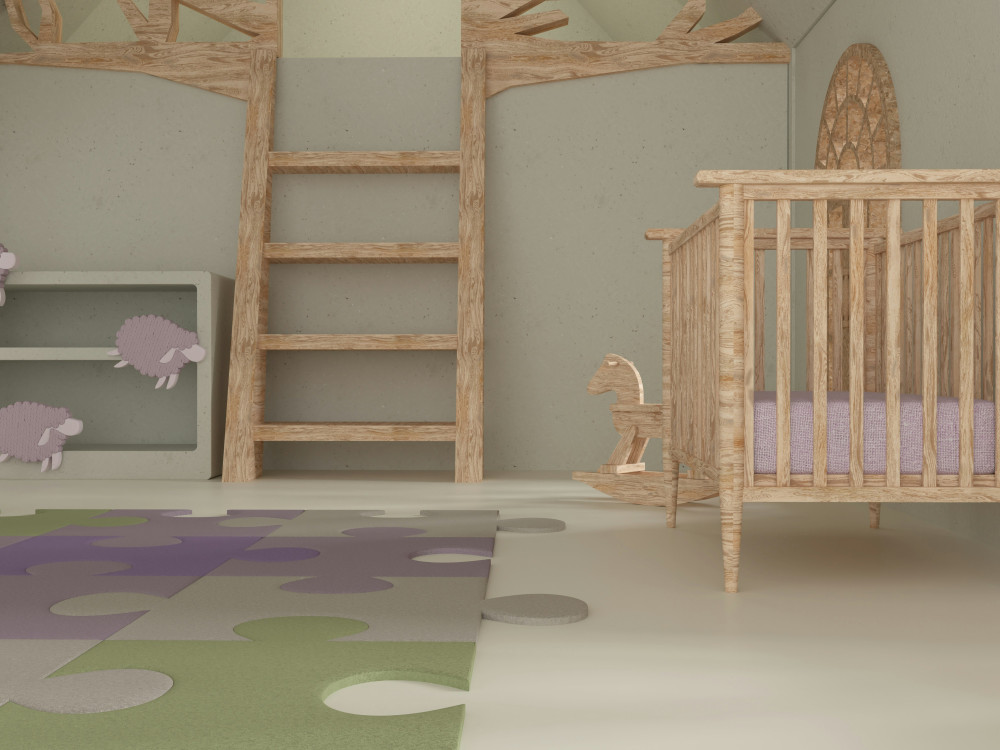
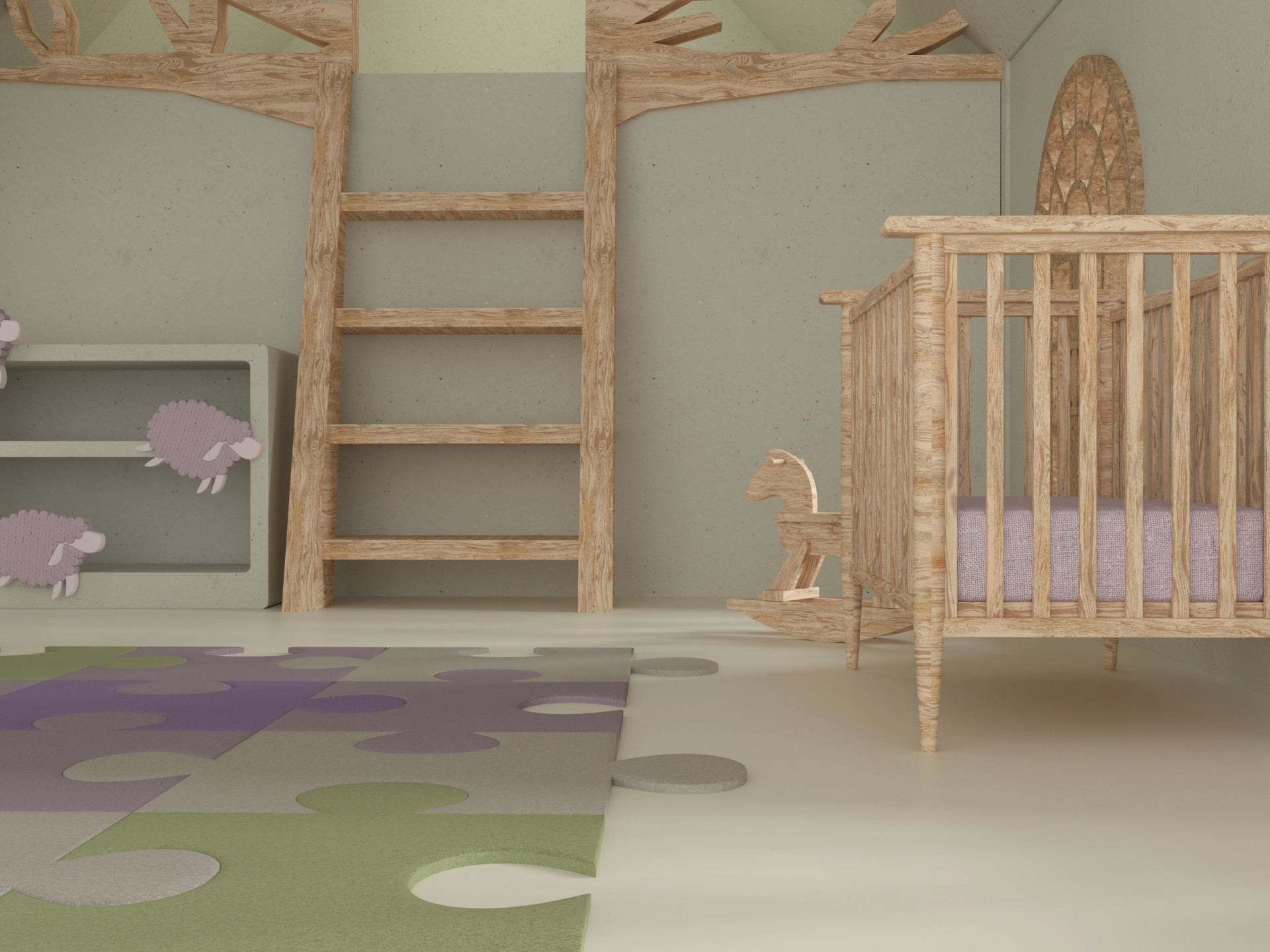
When a new baby joins the family, it’s natural to want a space that feels safe, functional, and welcoming. A nursery has to meet many needs at once – from sleep and nappy changes to storage and play. With a bit of planning, you can create a room that makes daily life easier and gives both baby and parents a sense of calm. Here’s a step-by-step guide to help you set it up.
Step 1: Start with Safety
Safety is the foundation of any nursery. Everything in the room should be secure for a baby who will soon start rolling, crawling, and exploring.
- Position the cot away from windows and cords – to avoid draughts and strangulation hazards.
- Anchor furniture to the wall – especially bookshelves and dressers, to prevent tipping.
- Use outlet covers and keep cords out of reach.
- Choose non-toxic materials – paints, furniture, and fabrics should be low in VOCs and free from harmful chemicals.
In Australia’s warm climate, also make sure the room is well ventilated and that blinds or curtains block out strong sunlight safely, without dangling cords.
Step 2: Create a Calm Base with Colours and Light
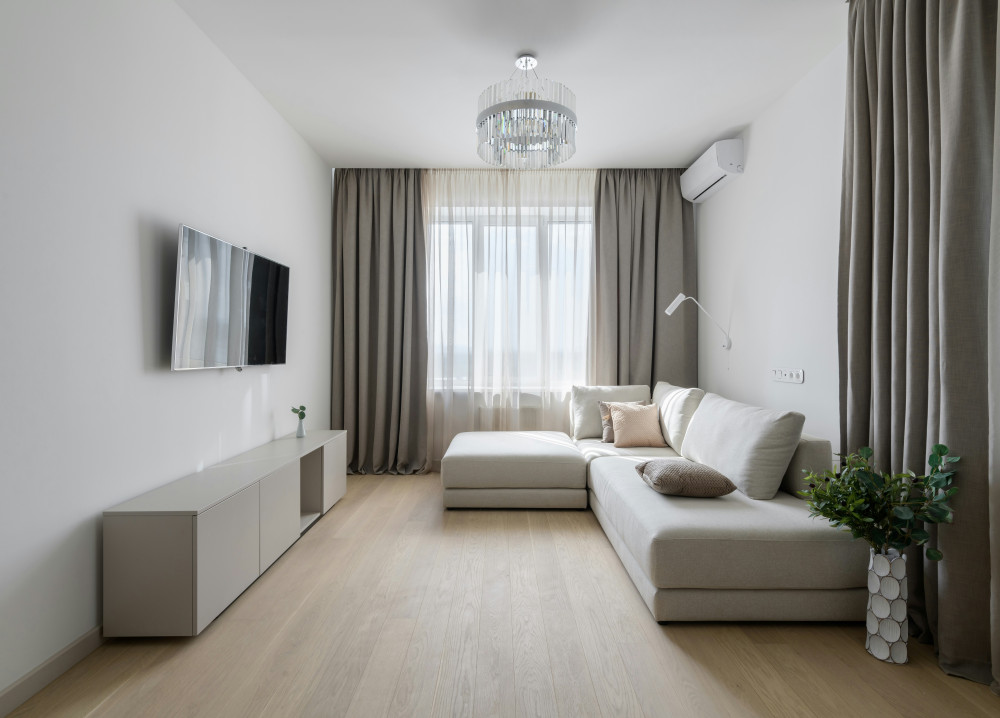
Babies thrive in calm surroundings. Choose soft, natural colours and materials that create a soothing atmosphere. Neutral tones like sand, sage, or pale blue work beautifully and can be brightened with small pops of colour in textiles or wall art.
Lighting matters too. Combine a bright ceiling light for daytime with soft, warm lighting for evenings. A dimmable lamp or nightlight helps you see during late-night feeds without overstimulating your baby. In hot Australian summers, consider using sheer curtains to filter sunlight while keeping the room cool.
Læs også:
Step 3: Set Up the Three Key Zones – Sleep, Change, and Storage
A well-organised nursery works best when divided into clear zones.
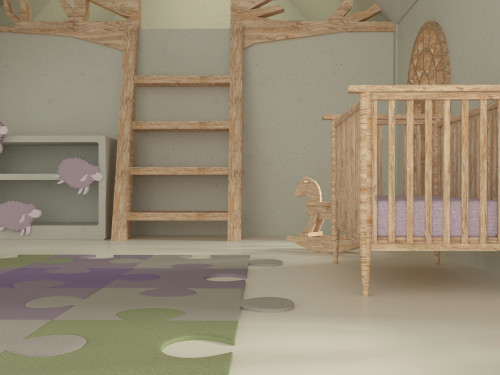
- Sleep zone: A sturdy cot with a firm mattress and breathable bedding is essential. Avoid pillows, soft toys, and loose blankets in the cot to reduce the risk of suffocation.
- Change zone: Choose a stable change table at a comfortable height, and keep everything you need within arm’s reach – nappies, wipes, creams, and spare clothes. A wall shelf or basket nearby helps keep things tidy.
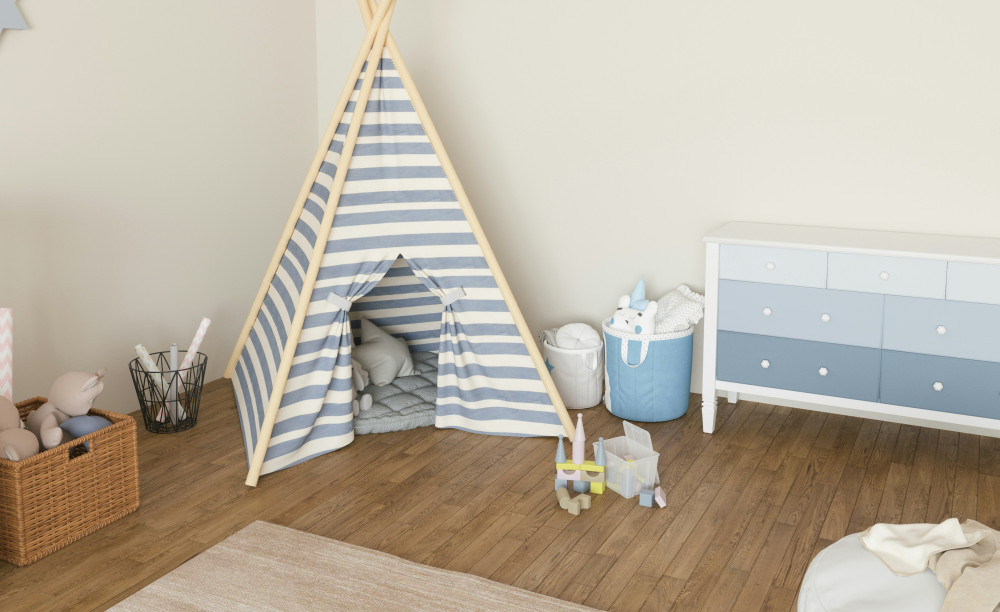
- Storage zone: Babies come with a surprising amount of gear. Use drawers, baskets, and cupboards to keep clothes, toys, and linens organised. Labelling boxes or using clear containers can save time when you’re in a hurry.
Step 4: Keep It Practical – But Add Warmth
A nursery should be functional, but it should also feel warm and personal. Small touches make a big difference:
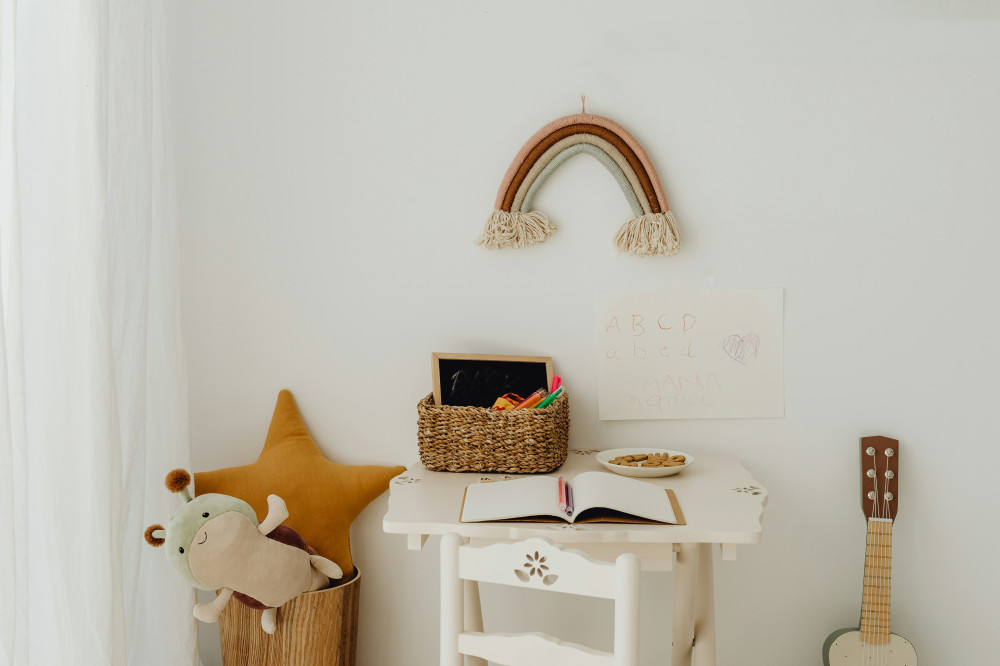
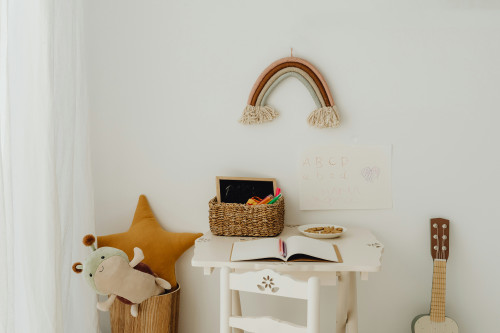
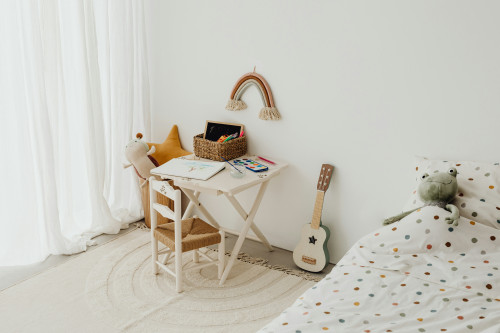
- Hang gentle artwork or family photos.
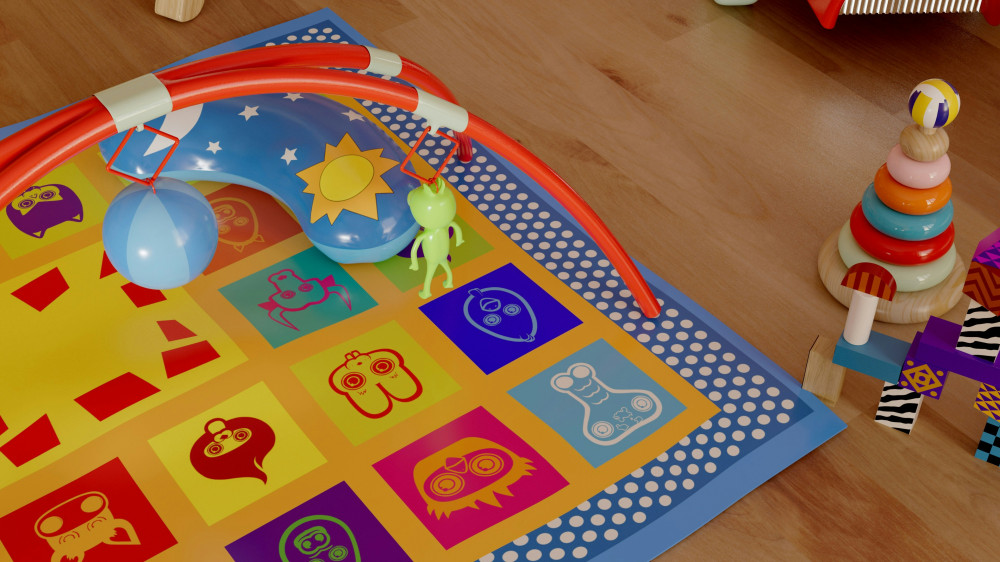
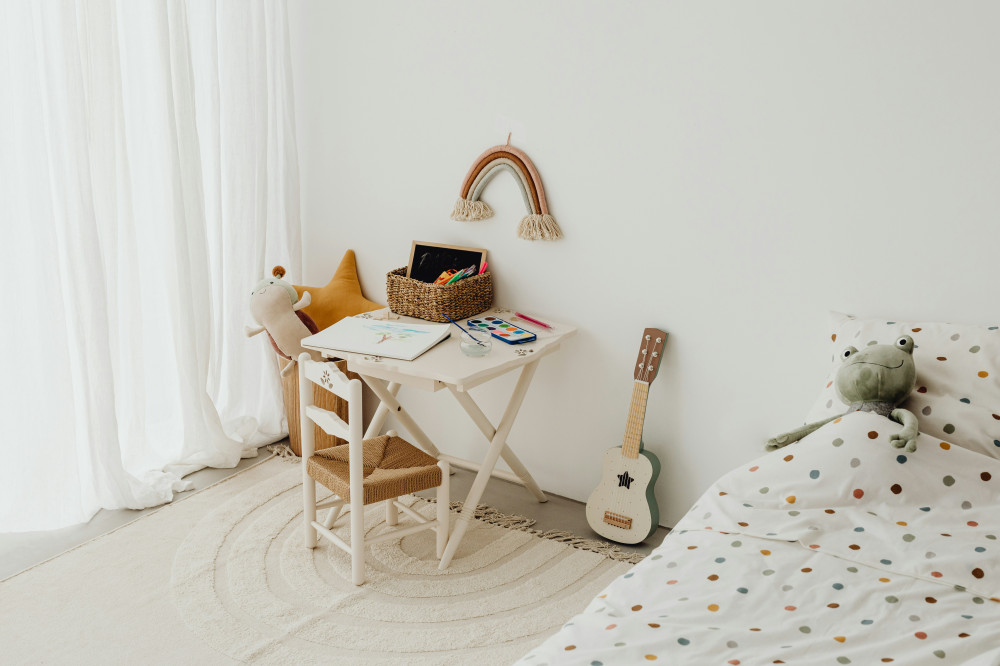
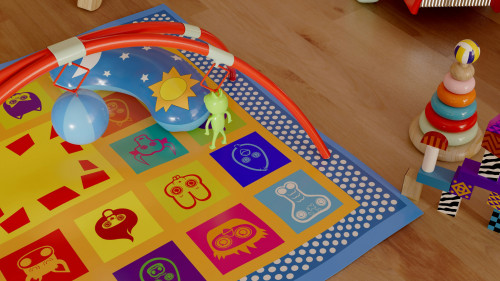
- Add a soft rug for tummy time and play.
- Use natural fabrics like cotton and linen for a healthy indoor environment.
- Include a comfortable chair for feeding, reading, or simply enjoying quiet moments together.
When practicality meets comfort, the nursery becomes a space where both you and your baby feel at ease.
Step 5: Plan for Growth
Babies grow quickly, and their needs change just as fast. Choose furniture that can adapt – for example, a cot that converts into a toddler bed or a change table that becomes a dresser.
Leave some floor space free for play as your baby starts to crawl and walk. A flexible layout makes it easier to adjust the room without starting from scratch.
Step 6: Keep Things Organised
A tidy nursery makes everyday life smoother. Use storage solutions that are easy to maintain – baskets with lids, drawer dividers, and small boxes for toys. When everything has its place, it’s easier to stay organised, even on busy days.
A handy idea is to keep a “ready-to-go” basket with essentials like spare clothes, nappies, wipes, and wraps. That way, you’re always prepared, day or night.
A Room That Grows with Your Child
A nursery is more than just a place to sleep – it’s where many of your baby’s first experiences will happen. By focusing on safety, function, and comfort from the start, you’ll create a space that feels both secure and practical. And remember: the perfect nursery isn’t about expensive furniture or designer décor – it’s about love, care, and creating a peaceful start to life.
Læs også: