How to Prevent Damp and Mould in Your Child’s Room


How to Prevent Damp and Mould in Your Child’s Room
A healthy indoor environment is essential for your child’s wellbeing. Damp and mould don’t just look unpleasant – they can trigger allergies, coughing, and respiratory irritation. Fortunately, with a few simple habits and adjustments, you can prevent these problems before they start. Here’s a practical guide to keeping your child’s room dry, healthy, and mould-free.
Understand Where Moisture Comes From
Moisture in the home can come from many sources. In a child’s room, it often builds up from everyday activities – sleeping, playing, and even breathing all release moisture into the air. In Australia’s humid or coastal climates, condensation can also form on cool surfaces, especially in winter or in air-conditioned rooms.
Watch for warning signs such as condensation on windows, dark spots in corners, or a musty smell. These are indicators that humidity levels are too high and action is needed.
Ventilate Properly
Good ventilation is the most effective way to remove excess moisture. Open windows wide for 5–10 minutes two or three times a day to create a cross-breeze. This quick airing replaces damp indoor air without cooling down walls and furniture too much.
In humid regions like Queensland or northern New South Wales, it’s best to ventilate during the cooler parts of the day when outdoor humidity is lower. In cooler southern areas, short bursts of ventilation in the morning and evening work well. A small hygrometer can help you monitor humidity – aim for 40–60%.
If your child’s room tends to stay damp, consider using a dehumidifier, especially during the wet season.
Maintain Steady Temperature and Airflow
Keeping the room at a consistent temperature helps prevent condensation. Aim for around 18–22°C, even at night. Cold walls and corners can attract moisture, particularly behind furniture.
Make sure air can circulate freely. Don’t block air vents or cover heaters with curtains or furniture. If your home has mechanical ventilation or an air-conditioning system, clean the filters regularly and ensure vents are not obstructed.
Læs også:

Furnish with Care
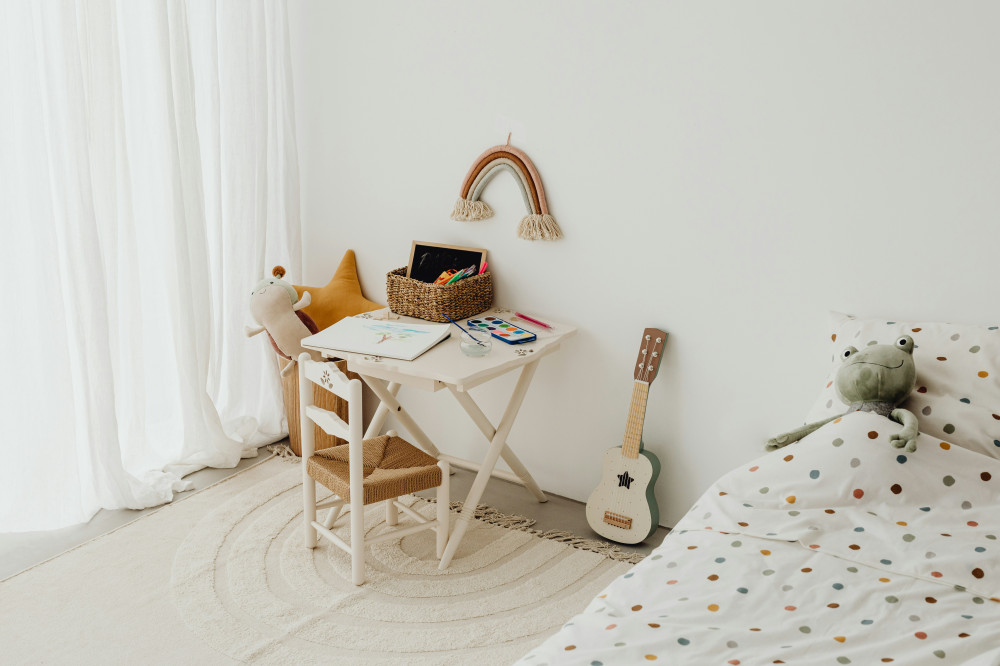
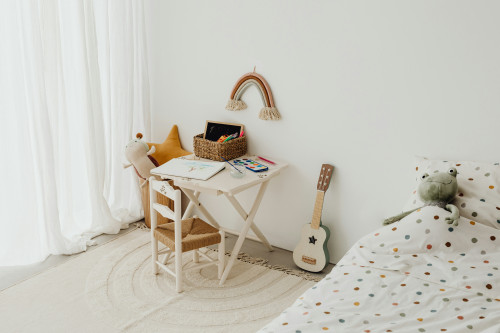
Leave a small gap between large furniture and exterior walls so air can move behind them. Avoid placing beds directly against cold or poorly insulated walls. Choose washable fabrics and avoid heavy curtains or thick carpets that can trap moisture.
If you’re repainting or renovating, use breathable paints and materials that allow walls to “breathe” rather than sealing in moisture.
Watch Everyday Habits
Small daily habits make a big difference. Don’t dry wet clothes in your child’s room, and avoid using portable heaters to dry bedding or floors. Keep the bedroom door open during the day so moist air can escape.
After showers or cooking, ventilate the bathroom and kitchen well – moisture travels easily through the house. If you use an air conditioner, set it to “dry” mode occasionally to reduce humidity.
What to Do If Mould Appears
If you notice mould, act quickly. Small patches (less than about half a square metre) can often be cleaned with a mild detergent or white vinegar solution. Always wear gloves and ensure good ventilation while cleaning. For larger or recurring problems, contact a professional mould remediation service.
Before repainting or redecorating, identify and fix the source of the moisture – otherwise, the mould will return. If your child has asthma or allergies, consult your doctor and consider an indoor air quality assessment.
Healthy Habits for a Healthy Home
Preventing damp and mould isn’t just about cleaning – it’s about daily routines. Regular ventilation, steady warmth, and thoughtful room design are your best defences. A dry, fresh bedroom helps your child sleep better, breathe easier, and thrive in a safe, comfortable environment.
Læs også: