Prioritise your DIY projects to maintain your home’s value

Prioritise your DIY projects to maintain your home’s value
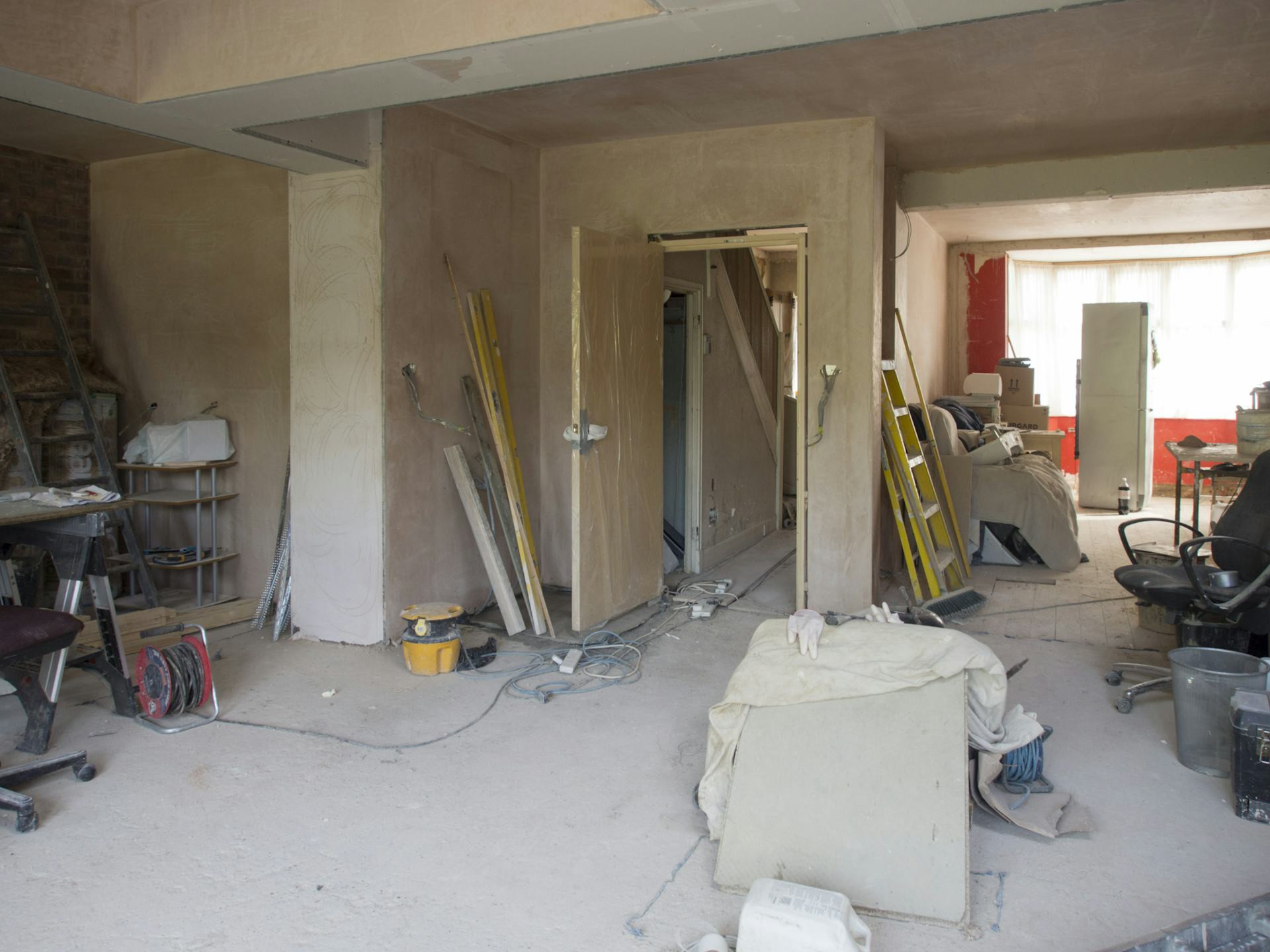
Owning a home in Australia means dealing with everything from scorching summers to heavy rain and coastal humidity. Regular maintenance is essential, but it can be tricky to know which projects deserve your attention first. Many homeowners jump straight into cosmetic upgrades – a new deck, a kitchen makeover, or a fresh coat of paint – while overlooking the less glamorous tasks that actually protect the property’s value. By prioritising your DIY projects strategically, you can save money, prevent damage, and ensure your home remains a solid investment.
Start with what protects your home
The first priority should always be the parts of your home that keep it structurally sound and weatherproof – the roof, exterior walls, windows, and foundations. If these aren’t in good condition, even the most stylish interior improvements won’t hold their value.
- Roof and gutters: Check for cracked tiles, rust, or blocked gutters. In Australia’s heavy downpours, poor drainage can quickly lead to leaks and water damage.
- Walls and foundations: Look for cracks or signs of movement, especially in older brick homes or those built on reactive clay soils.
- Windows and doors: Replace worn seals and ensure frames are properly fitted to prevent drafts, moisture, and pests.
These jobs might not be exciting, but they’re the foundation of your home’s longevity. A dry, well-sealed house is more comfortable and far less costly to maintain.
Plan around cost and lifespan
When mapping out your DIY projects, think in terms of both cost and durability. Some improvements deliver quick wins, while others are long-term investments that pay off over time.
Make a list of tasks you’ll need to tackle in the next five years and consider:
- What’s the cost of delaying this project? (e.g. risk of further damage)
- How long will the fix last once completed?
- Can you safely do it yourself, or should you call in a professional?
Having a clear plan helps you spread out expenses and avoid being hit with multiple major repairs at once.
Læs også:
Prioritise energy efficiency
Energy-efficient upgrades are good for both your wallet and the environment – and they’re increasingly attractive to Australian buyers. Many can be done as DIY projects if you’re handy.
- Insulate your roof and walls to reduce heat loss in winter and keep your home cooler in summer.
- Seal gaps around doors and windows to improve comfort and cut energy bills.
- Install LED lighting and smart thermostats for quick, affordable savings.
If you’re considering bigger projects like solar panels or a heat pump, check for government rebates or local council incentives before you start.
Focus on aesthetics once the essentials are secure
Once the structural and protective elements are sorted, you can move on to the projects that enhance comfort and appearance. A new bathroom, a refreshed living space, or an outdoor entertaining area can all add enjoyment and value – provided the basics are already in good shape.
Remember: a beautiful kitchen won’t make up for a leaking roof or rising damp. Always tackle the unseen essentials before the visible upgrades.
Create a maintenance schedule
A simple maintenance plan can save you time and stress. Keep track of when you last checked your roof, paintwork, plumbing, and seals – and when they’ll need attention again. Treat maintenance as part of your yearly routine, not a last-minute scramble.
You might divide your year like this:
- Autumn: Clear gutters and prepare for winter rain.
- Winter: Focus on indoor projects like painting or insulation.
- Spring: Inspect the roof, windows, and garden structures.
- Summer: Repaint exteriors and maintain decks while the weather is dry.
A schedule helps you stay organised and ensures your home is always one step ahead of wear and tear.
Think like a future buyer
Even if you’re not planning to sell, it’s smart to view your home through a buyer’s eyes. What would they notice first? A solid roof, well-maintained exterior, and efficient energy systems often matter more than trendy finishes that may not suit their taste.
By prioritising projects that preserve your home’s structure and function, you’re not just maintaining a property – you’re protecting an investment and creating a comfortable, lasting place to live.
Læs også: