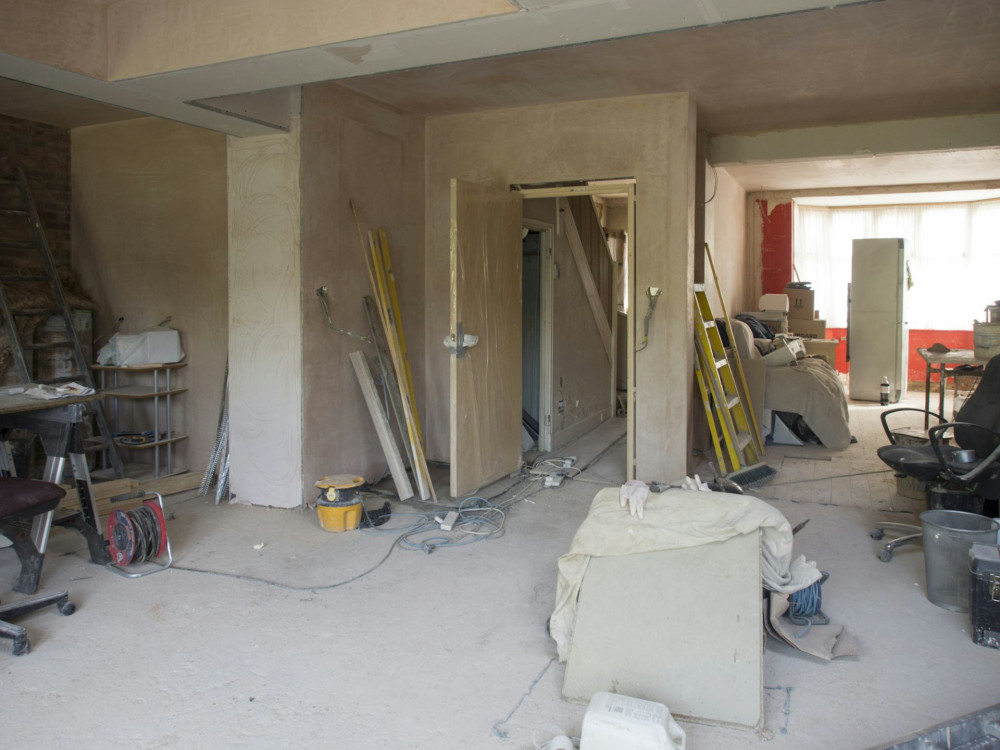
Learn from your building projects – avoid making the same mistakes next time

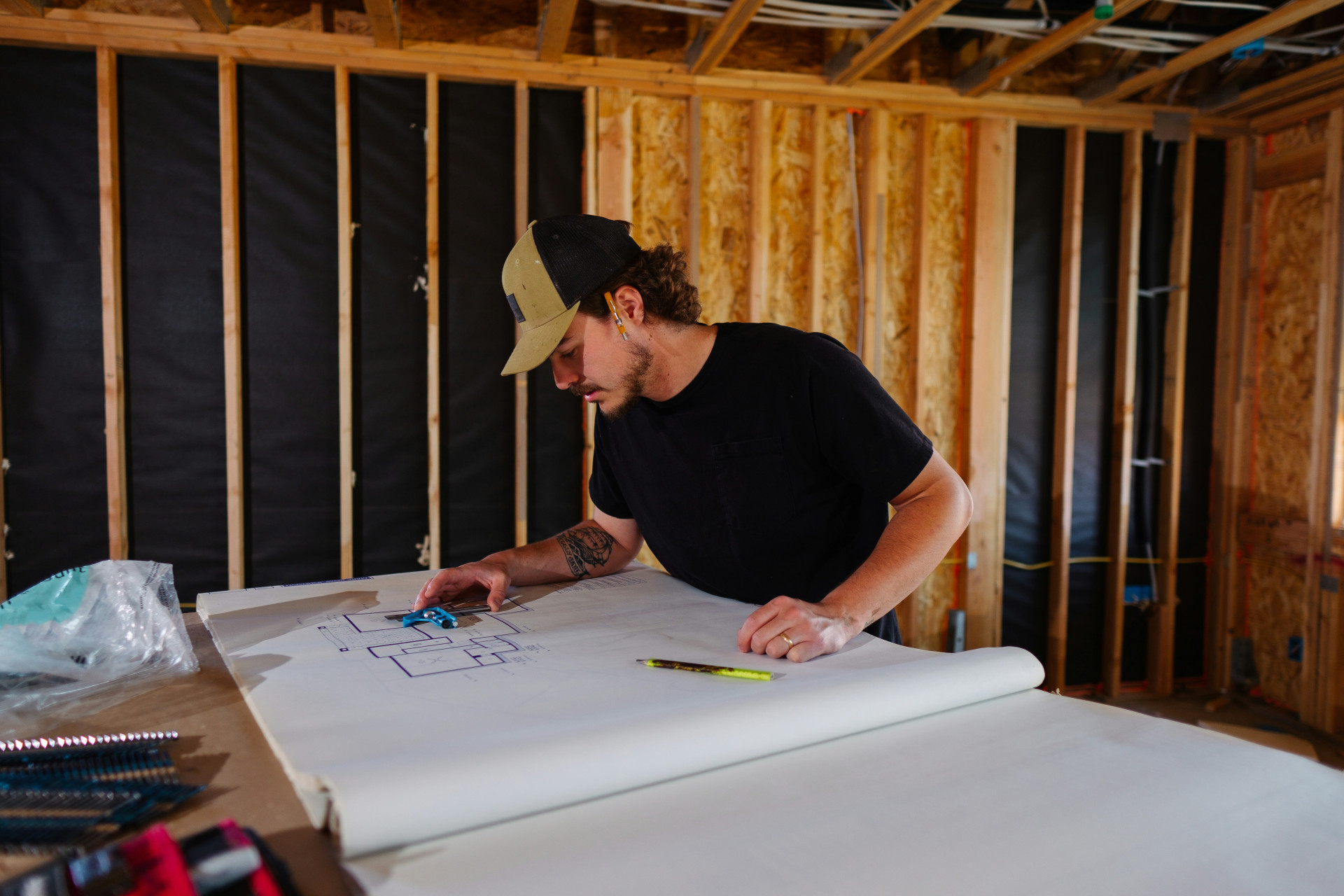
Learn from your building projects – avoid making the same mistakes next time
Whether you’re renovating your kitchen in Sydney, building a deck in Brisbane, or putting up a new shed in regional WA, every building project comes with its share of challenges. Maybe the budget blew out, the timeline slipped, or the final result wasn’t quite what you pictured. But every setback holds valuable lessons that can make your next project smoother and more successful. Instead of dwelling on what went wrong, use those experiences to your advantage. Here’s how to learn from your building projects and avoid repeating the same mistakes.
Start with an honest review
Once the dust has settled, it’s tempting to just enjoy the finished result and forget the frustrations along the way. But this is the perfect time to reflect while everything is still fresh in your mind.
Ask yourself:
- What went well, and why?
- What didn’t go as planned, and how could it have been avoided?
- Was the timeline realistic?
- Did the budget hold up – and if not, where did it go off track?
Write down your thoughts. It might feel unnecessary now, but when you start your next project, those notes will be a goldmine of practical insight.
Læs også:
Good planning is half the job
Many building problems start long before the first nail is hammered in. Vague agreements with tradies, missing permits, or overly optimistic schedules can all lead to headaches later. A solid plan isn’t just a list of tasks – it’s a realistic overview of time, money, and resources.
Create a detailed timeline with milestones, and allow some buffer for unexpected delays – whether it’s bad weather, supply shortages, or council approvals taking longer than expected. Make sure everyone involved, from contractors to suppliers, understands the plan and their responsibilities. The clearer your planning, the fewer nasty surprises you’ll face.
Communicate clearly
Building projects often involve multiple people – builders, electricians, plumbers, and suppliers – and miscommunication can easily lead to costly mistakes. One of the most common causes of frustration is unclear or inconsistent communication.
Set up regular check-ins or progress updates, and make sure decisions are documented. Use drawings, photos, or sketches to explain what you want – they’re often clearer than words alone. And remember, good communication goes both ways: listen to your tradies’ professional advice and be open to adjustments if they make sense.
Keep good records
Photos, receipts, plans, and notes might seem like small details, but they’re invaluable when you need to recall what was done and why. Documentation helps you stay organised during the project and makes it easier to spot patterns in your past mistakes.
For example, if you notice you often underestimate material quantities or forget to factor in delivery times, you can use that knowledge to plan more accurately next time.
Know your limits – and when to call in the pros
DIY enthusiasm is great, but some projects are more complex than they appear. Taking on too much can lead to costly errors or even safety risks. There’s no shame in admitting that certain tasks are best left to licensed professionals.
Be realistic about what you can handle yourself and where it makes sense to hire experts – especially for electrical, plumbing, or structural work. Knowing your limits isn’t a weakness; it’s a smart way to protect your investment and your safety.
Put your lessons into action
Once you’ve gathered your insights, use them actively in your next project. Create a checklist of things you’ll do differently – maybe getting multiple quotes, ordering materials earlier, or allowing extra time for inspections.
You can also share your experiences with others – in local community groups, online forums, or with friends tackling their own projects. Sharing what you’ve learned not only helps others but also reinforces your own understanding of what works and what doesn’t.
Mistakes are part of the process
Even the most experienced builders and homeowners make mistakes. The key isn’t to avoid them entirely, but to learn from them. Each project makes you wiser, more realistic, and better prepared for the next challenge.
So when your next building project comes around, you can approach it with confidence – knowing you’re building not just with materials, but with experience.
Læs også: