Pipe Materials and the Environment: What Does Your Choice Mean for the Future?

Pipe Materials and the Environment: What Does Your Choice Mean for the Future?
When you choose pipes for your home – whether for water, heating, or drainage – it’s not just about cost and durability. The material you select also affects the environment, from production to use and eventual disposal. In Australia, where sustainability and water conservation are increasingly important, understanding the environmental impact of your pipe materials can help you make choices that support a greener future.
From Copper to Plastic – A Question of Resources
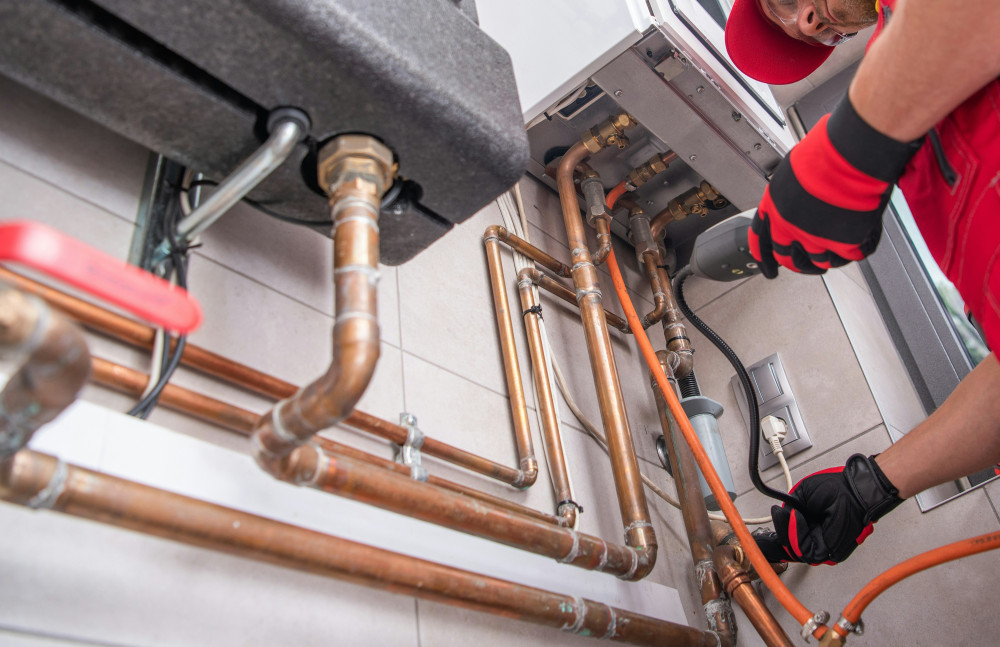
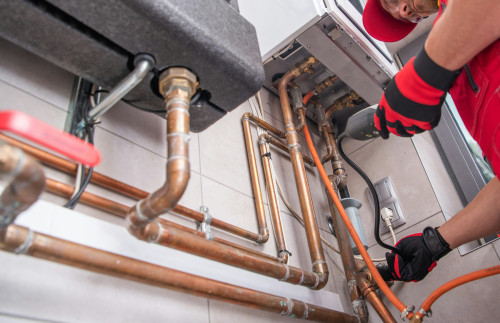
Copper has long been a popular choice for plumbing. It’s durable, naturally resistant to bacteria, and can last for decades. However, mining and refining copper require significant energy and can leave a large carbon footprint. While copper is a finite resource, it can be recycled almost endlessly, which helps reduce its environmental impact.
Plastic pipes – commonly made from PVC, PEX, or polypropylene – have become widespread in Australian homes. They’re lightweight, flexible, and require less energy to produce than metals. Yet, they’re derived from fossil fuels, and their environmental footprint depends on how they’re managed at the end of their life. Some types can be recycled, while others are incinerated or sent to landfill, where they may contribute to long-term waste issues.
Life Cycle and Carbon Footprint
To assess a material’s sustainability, it’s important to look at its entire life cycle – from raw material extraction to disposal. A pipe that lasts 50 years may ultimately be more sustainable than one that needs replacing after 20, even if it takes more energy to produce.
- Copper pipes have a high production energy cost but can be recycled repeatedly without losing quality.
- Steel pipes are strong and recyclable but have a high carbon footprint and require protection against corrosion.
- Plastic pipes are lightweight and long-lasting, but recycling options are limited, and microplastic pollution can be a concern as they degrade.
Sustainability isn’t just about the material itself – it’s also about how it’s used, maintained, and reused.
Health and Water Quality
Another key factor is how pipe materials affect water quality. Copper can release small amounts of metal into drinking water, especially in new installations, though levels usually decrease over time. Plastic pipes must meet Australian standards for drinking water safety and be free from harmful additives such as phthalates and heavy metals.
In areas with acidic or “aggressive” water – common in parts of regional Australia – metal pipes can corrode faster, affecting both lifespan and taste. In such cases, high-quality plastic pipes may be a better option, provided they are certified for potable water use.
Recycling and Future Solutions
Australia’s construction industry is moving toward more circular practices, where materials are designed for reuse and recycling. For plumbing, this means developing systems where components can be replaced without discarding entire installations.
Research is also underway into bio-based plastics made from renewable resources rather than oil. While still emerging, these innovations point toward a future where pipes can be produced with a much smaller environmental footprint.
Læs også:
What Can Homeowners Do?
As a homeowner, you can make a difference by:
- Choosing quality – durable pipes reduce waste and replacement needs.
- Asking for documentation – look for Environmental Product Declarations (EPDs) and WaterMark certification.
- Thinking holistically – consider the material’s origin, energy use, and recyclability.
- Maintaining your system – regular checks and maintenance extend lifespan and reduce water loss.
Every informed choice contributes to a more sustainable built environment.
A Choice with Consequences – and Opportunities
Pipes are hidden but essential parts of our homes. They deliver clean water, remove waste, and support our daily comfort for decades. That’s why it’s worth thinking long-term when choosing materials. It’s not just about function and price – it’s about responsibility.
By selecting sustainable pipe materials and systems, Australians can help shape a future where our homes not only serve us well but also respect the planet we all share.
Læs også: