Check the Energy Efficiency of Your Plumbing with Simple Measurements

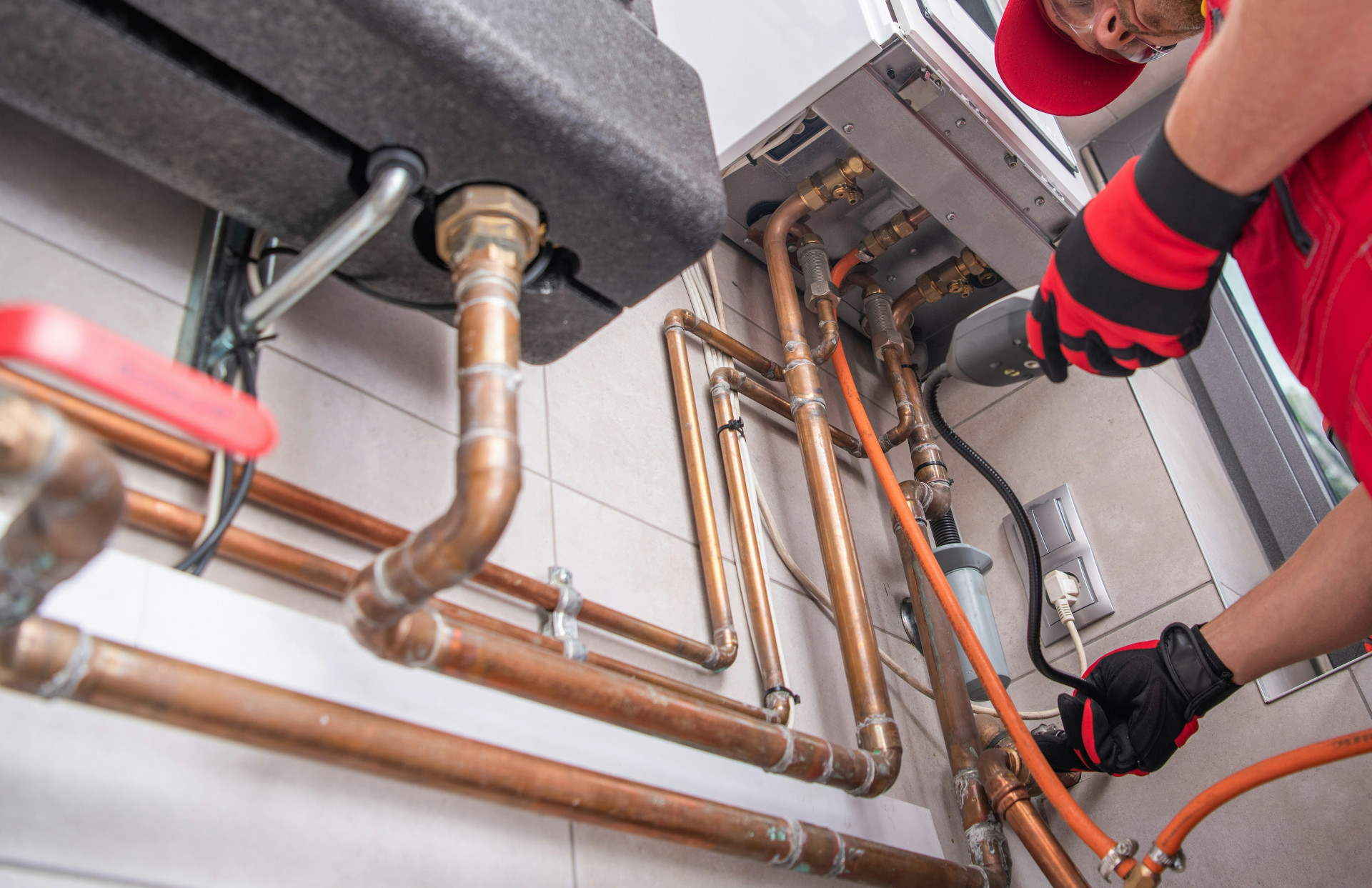
Check the Energy Efficiency of Your Plumbing with Simple Measurements
Energy efficiency in your home’s plumbing isn’t just about saving on bills – it’s about comfort, sustainability, and getting the most out of the systems you already have. Many Australians assume that assessing the efficiency of their hot water, heating, and water supply systems requires specialised equipment or a professional plumber. In reality, you can learn a lot from a few simple measurements and some careful observation.
Here’s a practical guide to checking the energy efficiency of your plumbing – step by step.
Understand Your System First
Before you start measuring, take a moment to understand your plumbing setup. Do you have a gas or electric hot water system, a solar hot water unit, or a heat pump? Are you using a recirculating pump for hot water? How is your water heating connected to your household supply?
Draw a simple diagram of the main components – such as the water heater, circulation pump, pipes, and thermostats. This will help you identify where to measure and where energy losses are most likely to occur.
Measure Temperatures and Look for Imbalances
Temperature differences can tell you a lot about how efficiently your system is running. All you need is a basic thermometer or an inexpensive infrared thermometer.
- Hot water temperature: Measure the temperature at the tap. For safety and efficiency, it should be around 50–55°C. If it’s higher, you’re wasting energy and increasing the risk of scalding and mineral buildup.
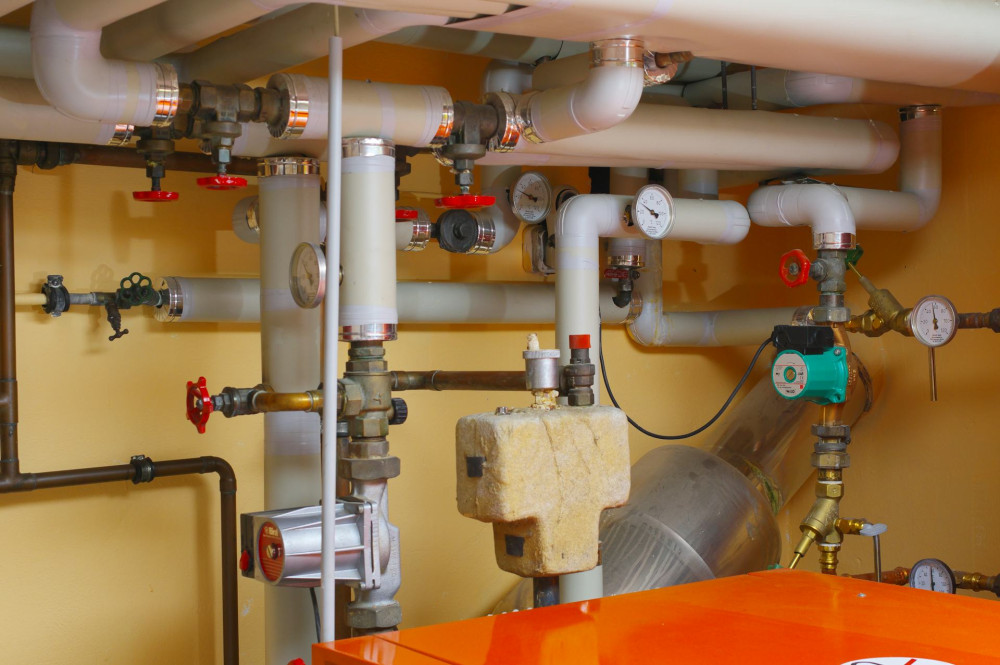
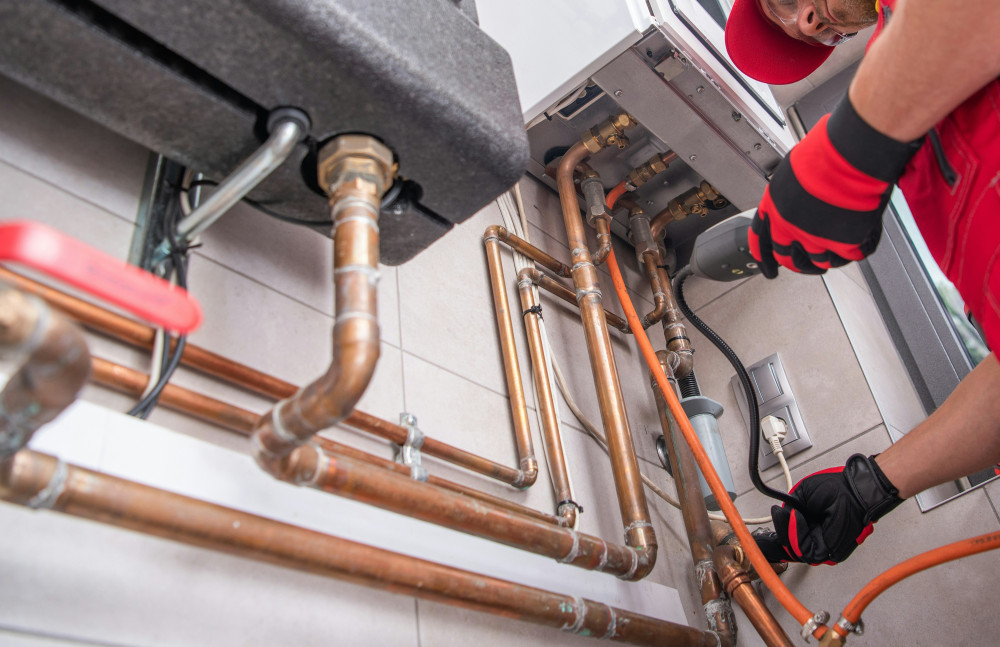
- Pipe temperatures: If you can access the pipes near your water heater, check the temperature difference between the outlet (hot) and return (if you have a recirculating system). A large difference may indicate poor insulation or heat loss along the pipes.
- Solar hot water systems: On sunny days, compare the temperature of the water entering and leaving the solar collector. A difference of 10–20°C is typical when the system is working efficiently.
Check the Circulation Pump
If your home uses a circulation pump for hot water or hydronic heating, it’s worth checking its energy use. Older pumps can consume 60–100 watts per hour, while modern, energy-rated models often use only 5–25 watts.
Look for the pump’s power rating on its label. If it’s more than a decade old, consider upgrading to a variable-speed or energy-efficient model. The investment usually pays for itself within a few years through lower electricity costs.
Monitor Your Water Use
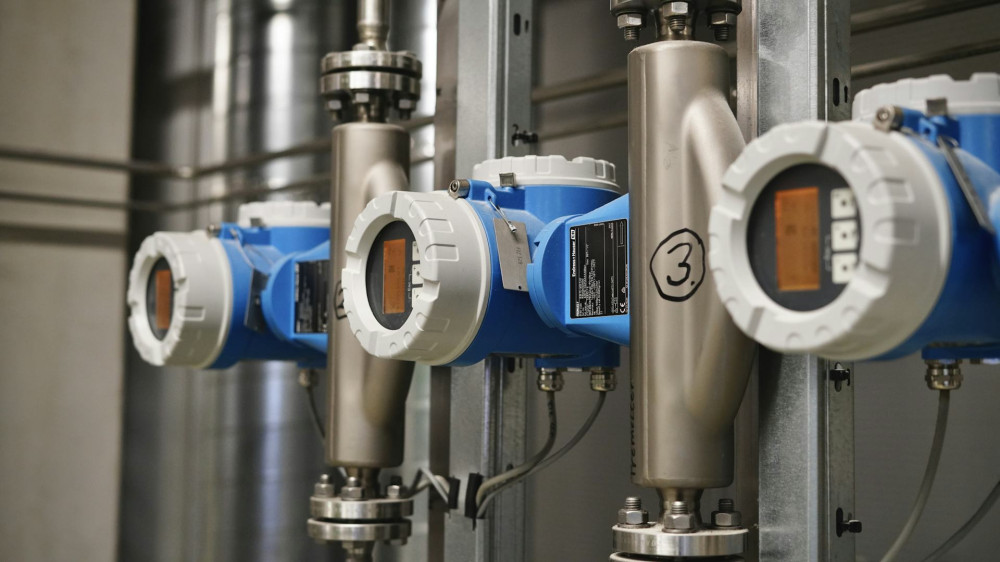
High water consumption doesn’t just waste water – it also means more energy spent heating it. You can easily track your usage through your water meter. Record the reading once a week for a month and look for unexpected changes.
If the meter moves even when no one is using water, you may have a leak. A dripping tap or a running toilet can waste thousands of litres a year – and the energy used to heat that water goes down the drain too.
Check Your Hot Water System’s Energy Use
Many modern hot water systems, especially heat pumps and solar units, display energy consumption or performance data. If you have a smart meter, you can also monitor how much electricity or gas your water heater uses daily.
Compare your readings over time. If energy use is rising without a change in household habits, it could mean the system is losing efficiency – perhaps due to scale buildup, poor insulation, or a failing thermostat.
Insulation and Heat Loss
Insulating your hot water pipes and storage tank is one of the simplest ways to improve efficiency. Feel the pipes leading from your water heater – if they’re hot to the touch, you’re losing heat. Pipe insulation sleeves are inexpensive and easy to install.
For outdoor systems, especially in cooler regions, make sure the tank and pipes are properly insulated to prevent heat loss overnight.
Ventilation and Indoor Comfort
Good ventilation is essential for a healthy home, but excessive air leakage can increase heating and cooling costs. If you have a mechanical ventilation system, check that it’s operating efficiently and that filters are clean. For natural ventilation, open windows briefly for cross-breezes rather than leaving them ajar all day.
Balancing ventilation and insulation helps maintain comfortable indoor temperatures without overworking your heating or cooling systems.
Record Your Measurements and Review the Results
Once you’ve taken your measurements, record them in a simple table. This will help you see patterns and identify where improvements can be made. You might find that your hot water temperature is too high, your pump is using too much power, or your pipes need better insulation.
Small adjustments – like lowering the thermostat, insulating pipes, or replacing an old pump – can add up to noticeable savings.
When to Call a Professional
While you can do a lot yourself, it’s wise to have a licensed plumber or energy assessor inspect your system every few years. They can perform more precise tests, clean heat exchangers, and ensure everything is running safely and efficiently.
A professional energy audit can also uncover hidden issues – such as undersized pipes, poor system design, or inefficient controls – that you might not detect on your own.
Læs også:
Small Steps Toward a More Efficient Home
Checking the energy efficiency of your plumbing doesn’t have to be complicated. With a few simple measurements and a bit of attention, you can save money, reduce your environmental impact, and enjoy a more comfortable home.
It’s not about doing everything at once – it’s about taking small, informed steps and using your measurements as a guide to make smarter energy choices.
Læs også: