Mixed Facade Cladding – Create a Modern Look with Contrasts

Mixed Facade Cladding – Create a Modern Look with Contrasts
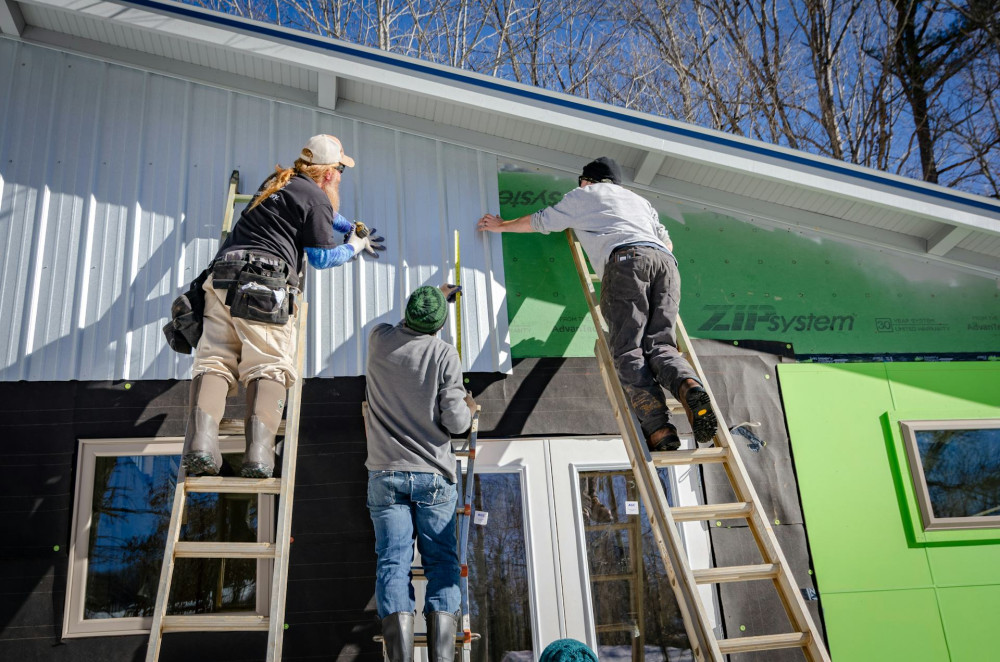
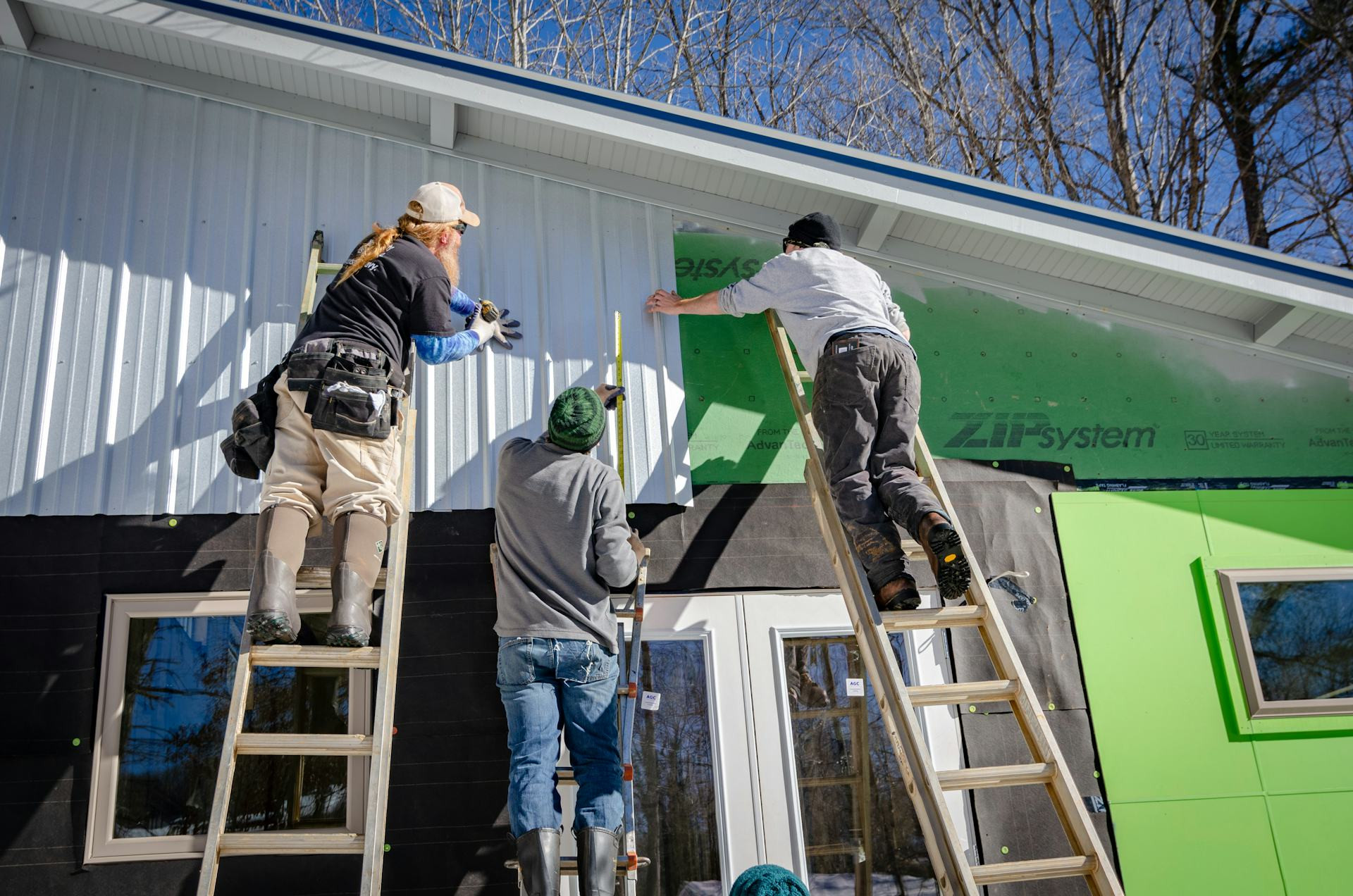
When you look at contemporary Australian architecture, it’s hard not to notice the growing trend of façades that play with contrast. Combining different cladding materials – such as timber, metal, brick, fibre cement, or render – creates a dynamic and modern appearance that highlights the home’s form and adds personality. Mixed façade cladding has become a popular way to give a house character without compromising on durability or performance in Australia’s diverse climate.
Why Choose a Mixed Façade?
A mixed façade is all about balancing aesthetics and function. By combining materials, you can take advantage of their individual strengths – both visually and technically. Timber brings warmth and a natural feel, while metal or fibre cement adds a sleek, contemporary edge. Together, they can create a look that’s both striking and harmonious.
There are also practical benefits. Some materials perform better in certain areas of the home. For example, fibre cement or brick can be used on lower sections that are more exposed to dirt and moisture, while timber cladding can lighten the upper levels and add a welcoming touch. This approach not only enhances the design but also improves the building’s longevity.
Playing with Contrasts – With Care
When working with contrasts, it’s important to think about the overall composition. Too many materials or overly bold differences in colour and texture can make the façade look cluttered. Start by choosing two main materials that complement each other – for instance, dark-stained timber paired with light brick, or zinc with natural hardwood.
Also consider how the materials meet. A sharp transition can create a modern, architectural look, while a softer blend feels more traditional. The key is to find the balance that suits your home’s style and its surroundings – whether it’s a coastal retreat, a suburban family home, or a city townhouse.
Materials That Work Well Together
Some material combinations are particularly effective – both visually and technically:
- Timber and brick – a timeless pairing where the warmth of timber contrasts beautifully with the solidity of brick. Ideal for both modern and heritage-inspired homes.
- Timber and metal – a bold, contemporary mix that highlights the texture of the timber while adding a refined industrial touch.
- Fibre cement and render – a clean, minimalist combination that suits modern Australian architecture.
- Brick and concrete – a robust, urban look often used in townhouses and architect-designed homes.
When selecting materials, also think about maintenance. Timber requires periodic treatment, while fibre cement and metal are largely maintenance-free. A combination can therefore offer both aesthetic appeal and practical value.
Colours and Finishes – Small Details, Big Impact
Colour and surface finish play a major role in how a façade is perceived. A matte surface absorbs light and feels calm, while a glossy or metallic finish reflects light and adds energy. By mixing different textures and finishes, you can bring life to the façade even with a limited colour palette.
A good rule of thumb is to keep the colour scheme simple. Choose one dominant tone and use contrasting colours sparingly to highlight architectural features. This approach creates a clean, modern look that will stand the test of time.
Læs også:

Practical Considerations Before You Start
Before committing to a mixed façade design, there are a few practical aspects to consider:
- Local building codes and council regulations – check if there are restrictions on materials or colours in your area.
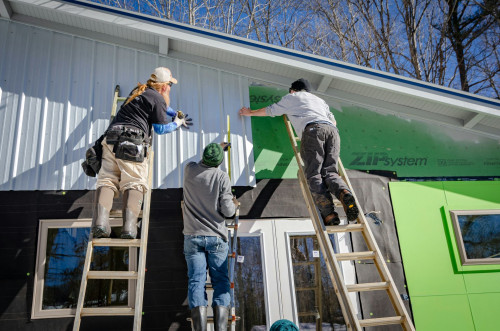
- Insulation and structure – different materials require different wall systems. Ensure proper ventilation and weatherproofing.
- Installation and joints – transitions between materials must be carefully detailed to prevent moisture issues.
- Maintenance – plan how you’ll keep the façade looking its best over time.
Consulting a professional builder, architect, or cladding specialist can help you choose the right materials and ensure the design suits your home and budget.
A Personal Expression That Lasts
Mixed façade cladding gives you the opportunity to create a home that stands out while still fitting into its environment. It’s not just about following a trend – it’s about designing a look that reflects your personality and works for your lifestyle. With the right materials, thoughtful contrasts, and careful planning, you can achieve a façade that’s beautiful, durable, and timeless – perfectly suited to the Australian way of living.
Læs også: