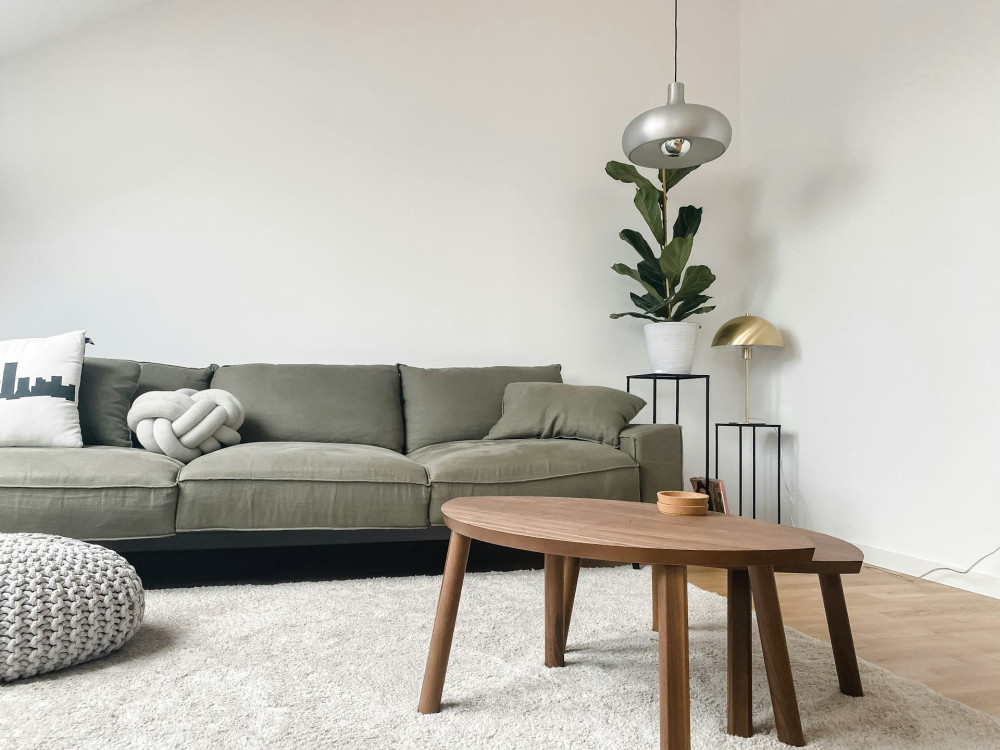
Know the Wood’s Qualities – Choose the Right One for the Job


Know the Wood’s Qualities – Choose the Right One for the Job
Wood is one of the most versatile building materials we have. From furniture and flooring to decks and cladding, it’s used in countless ways across Australian homes. But not all wood is the same – each species has its own strengths, weaknesses, and ideal uses. Understanding these differences helps you choose the right timber for the job and ensures a result that lasts and looks great.
Hardwood or Softwood – What’s the Difference?
Timber is generally divided into two main categories: hardwood and softwood. The distinction isn’t just about how hard the wood feels, but also about its structure and how it’s used.
- Softwoods such as pine, cypress, and spruce are easy to work with and commonly used for framing, panelling, and general construction. They’re affordable and widely available across Australia.
- Hardwoods such as spotted gum, jarrah, and blackbutt are denser and more durable. They’re ideal for flooring, decking, and furniture where strength and appearance matter.
When choosing timber, consider how much wear it will face and whether it will be used indoors or outdoors.
Timber for Indoor Use
Indoor timber should be stable, attractive, and suited to the environment. Here are some popular choices:
- Radiata pine – lightweight, easy to cut and shape, perfect for furniture, mouldings, and interior joinery.
- Tasmanian oak – a strong, fine-grained hardwood ideal for flooring, cabinetry, and furniture.
- Blackbutt – pale in colour, durable, and resistant to termites, making it great for floors and stairs.
- Jarrah – rich red tones and excellent hardness, perfect for statement furniture and high-traffic areas.
Make sure indoor timber is properly seasoned to prevent warping or cracking as humidity and temperature change.
Læs også:

Timber for Outdoor Use
Outdoor timber must withstand Australia’s harsh climate – from coastal humidity to dry inland heat. Choosing the right species or treatment is essential for longevity.
- Merbau – dense and naturally resistant to decay, a popular choice for decks and outdoor furniture.
- Spotted gum – tough and weather-resistant, ideal for decking, cladding, and structural use.
- Cypress pine – naturally termite-resistant and durable, often used for fencing and posts.
- Treated pine – an economical option for decks and pergolas; the treatment protects against rot and insects.
Always ensure good ventilation and avoid direct ground contact to reduce moisture damage.
Finishing and Protection
Even the best timber benefits from proper finishing. A good surface treatment enhances the wood’s natural beauty and extends its life.
- Oil penetrates the surface, giving a natural, matte look and protecting against moisture.
- Varnish or polyurethane forms a hard, glossy layer that resists scratches and stains.
- Stain changes the colour while keeping the grain visible.
- Paint provides full coverage and strong weather protection, especially for outdoor applications.
Choose your finish based on the level of exposure and wear. A deck in full sun, for example, needs more protection than an indoor table.
Sustainability and Sourcing
When buying timber, look for certifications such as FSC or PEFC, which ensure the wood comes from responsibly managed forests. Supporting Australian-grown timber also reduces transport emissions and supports local industries.
Species like blackbutt, spotted gum, and Tasmanian oak are excellent sustainable choices, as they’re sourced from well-managed Australian forests.
Choose Wisely – and Build to Last
Selecting the right timber isn’t just about looks – it’s about performance, durability, and environmental impact. A thoughtful choice at the start saves time, money, and maintenance later. Whether you’re building a deck, crafting a dining table, or renovating your home, take the time to understand the qualities of each wood. The right timber will reward you with strength, beauty, and lasting value.
Læs også: