Make Better Use of Daylight and Reduce Your Power Consumption


Make Better Use of Daylight and Reduce Your Power Consumption
Daylight is a free and renewable resource that many Australians overlook in their daily routines. With rising energy costs and growing concern about sustainability, making better use of natural light can help you cut your electricity bills and create a more comfortable home. By paying attention to how light moves through your home and adjusting your habits, you can make a noticeable difference.
Understand How Light Moves Through Your Home
The first step is to observe how sunlight enters your home throughout the day. In Australia, north-facing windows receive the most consistent sunlight, while south-facing rooms tend to be cooler and darker. Spend a day noticing when each room is brightest and when it starts to dim. This will help you plan where to place furniture, workspaces, and lighting.
A desk or reading nook should be positioned near a window where you get natural light from the side. Avoid placing screens directly in front of windows, as glare can make it uncomfortable to work or relax.
Læs også:

Design with Light in Mind
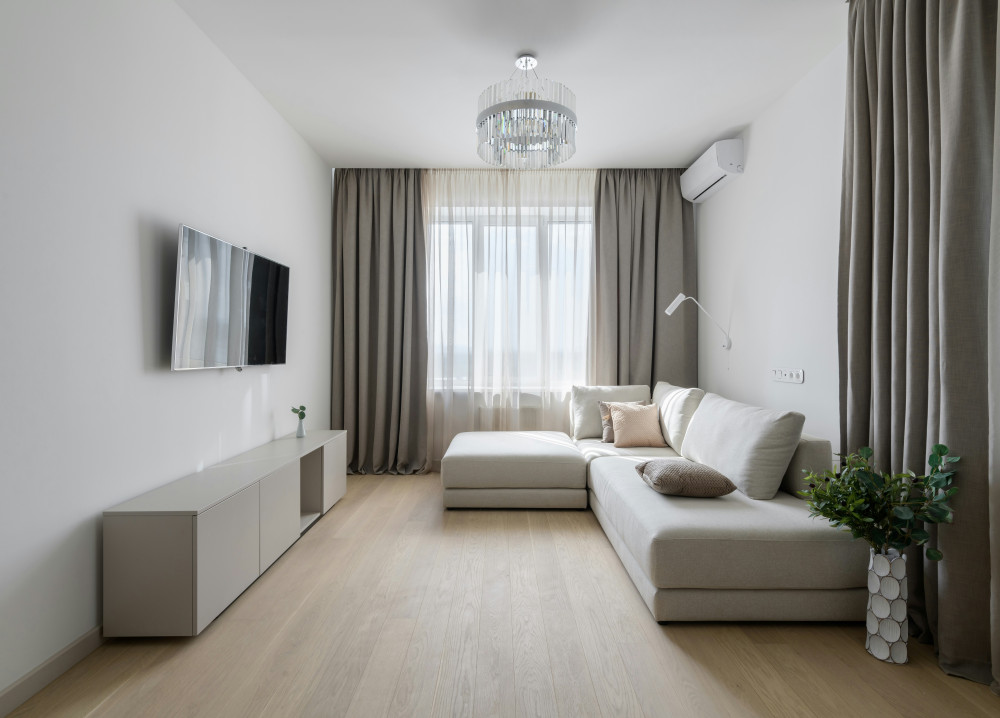
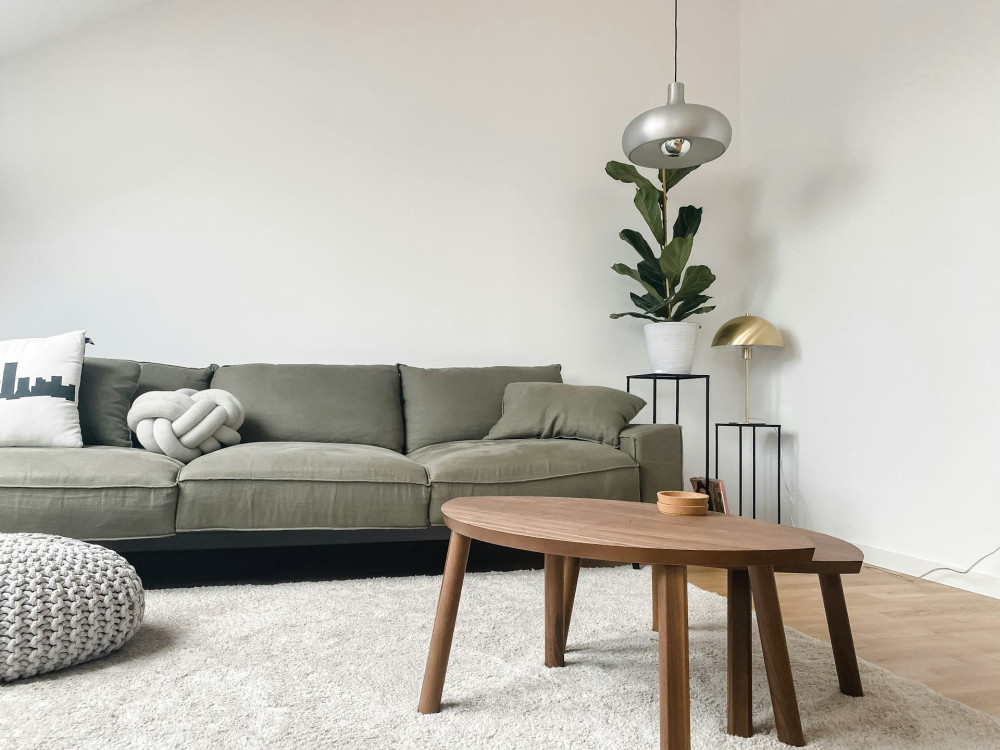
The way you decorate and furnish your home has a big impact on how daylight is distributed. Light-coloured walls, ceilings, and floors reflect sunlight and make rooms feel larger and more open. Darker colours absorb light and often require more artificial lighting.
- Use sheer curtains – they let in daylight while reducing glare.
- Keep window sills clear – plants and ornaments can block valuable light.
- Add mirrors strategically – they can reflect sunlight deeper into the room.
- Choose light or glossy surfaces – they help spread light more evenly.
Even small changes can make a big difference, especially during the shorter winter days in southern parts of Australia.
Combine Natural and Artificial Light
While daylight is free, it’s not always enough. The best approach is to combine natural and artificial lighting in a way that feels comfortable and energy-efficient. Use LED bulbs with a high colour rendering index (CRI above 90) so that artificial light feels more natural when the sun goes down.
Consider installing dimmers or daylight sensors that automatically adjust your lighting based on the amount of natural light available. This can significantly reduce electricity use, particularly in rooms where lights are often left on unnecessarily.
Keep Windows and Light Fixtures Clean
A simple but often forgotten tip: clean windows let in more light. Dust and grime can reduce daylight by up to 20%. The same goes for lampshades and light fittings – a quick wipe can improve brightness and save energy.
If you have trees or shrubs close to your windows, trim them back to prevent unnecessary shading. This is especially useful in winter when you want to capture as much sunlight as possible.
Rethink Your Daily Habits
Many of us switch on the lights out of habit, even when there’s enough daylight. Try to make it a routine to open curtains and blinds first thing in the morning and turn off lights when you leave a room. It may seem minor, but these small actions add up over time.
Plan activities that need good lighting – such as reading, cooking, or crafting – during the brightest parts of the day. You’ll enjoy better visibility and lower energy use.
A Brighter Home and a Smaller Power Bill
Making better use of daylight isn’t just about saving money – it’s also about improving your wellbeing. Natural light boosts mood, supports healthy sleep patterns, and enhances concentration. By designing your home with light in mind, you’ll create a more inviting, energy-efficient space.
Small adjustments in how you use light can make a big difference – for your comfort, your wallet, and the environment.
Læs også: