Document your groundwork – it can pay off later

Document your groundwork – it can pay off later
When you start a home improvement project, it’s tempting to jump straight to the exciting part – seeing the transformation take shape. But what often separates a professional-looking result from an average one isn’t the final coat of paint or the new tiles – it’s the groundwork. And just as important as doing the groundwork is documenting it. It might feel like an extra chore at the time, but it can save you a lot of time, money, and frustration down the track.
Why documentation makes a difference
When you document your groundwork, you create a clear record of what’s been done, when, and how. That could include which products you used, how you prepared the surface, or what materials went into the job. These details are invaluable if you ever need to fix damage, repaint, or explain the history of the work to a tradesperson.
It’s easy to forget small details – like the brand of primer or the number of coats applied. But when you’re trying to repair a patch, match a colour, or troubleshoot a problem, your documentation can be the difference between a quick fix and an expensive mistake.
How to document your groundwork
Keeping track of your work doesn’t have to be complicated. A few simple habits can make a big difference:
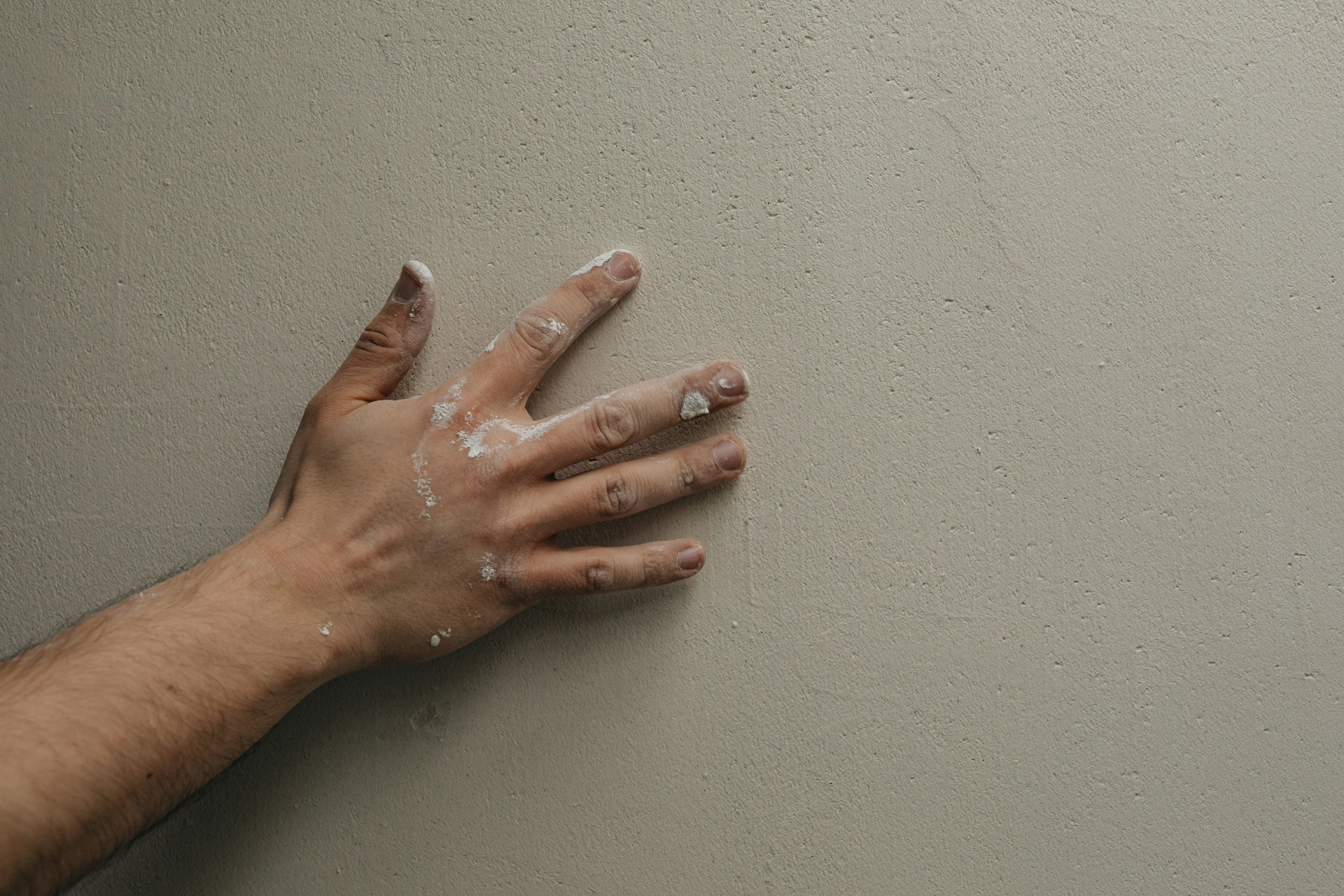
- Take photos along the way. Snap pictures before, during, and after the prep work. This gives you a visual record of how the surface looked at each stage.
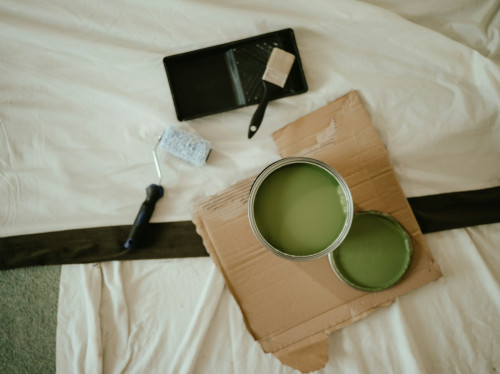
- Write down products and ratios. Note which brands and types of paint, primer, or filler you used – and in what quantities.
- Keep receipts and labels. They often include important details like colour codes, finish, and durability.
- Create a short project log. Record dates for when you sanded, primed, and painted. This helps you track drying times and plan future projects.
You can store everything in a folder, a notebook, or digitally on your phone. The key is to make sure you can find the information later.
When your documentation becomes your best ally
Imagine discovering a damp patch on your wall a year after painting. You’ll need to figure out whether it’s caused by the paint, the surface, or moisture from outside. If you’ve documented your groundwork, you can quickly check what materials you used and how the wall was treated. That makes it much easier to identify the cause – and to communicate with a professional if you need help.
Or maybe you want to repaint another room in the same colour as last year. Without documentation, matching the exact shade can be tricky. With your notes and photos, you can find the colour code and have the same paint mixed again with confidence.
Læs også:

A tool for learning and improvement
Documentation isn’t just about remembering – it’s also about learning. Looking back at your past projects can reveal patterns: perhaps one brand of paint lasted longer, or maybe applying two coats of primer gave a better finish. Over time, your documentation becomes a personal reference guide that helps you improve with every project.
Make it a habit
It might seem like a small thing, but documenting your groundwork is an investment in quality and peace of mind. It only takes a few extra minutes, but it can save you hours of hassle later. So next time you pick up a brush or a drill, grab your phone or notebook too – your future self will thank you.
Læs også: