Understanding solar systems: A vital energy solution for residences
Understanding solar systems: A vital energy solution for residences
As energy costs continue to rise and concerns about climate change grow, solar energy has emerged as a promising solution for residences. Solar systems provide an innovative way to harness the suns power, turning it into a viable and efficient energy source. This article aims to provide a comprehensive understanding of solar systems, their benefits, types, and how they can be integrated into residential settings.
What is a Solar System?
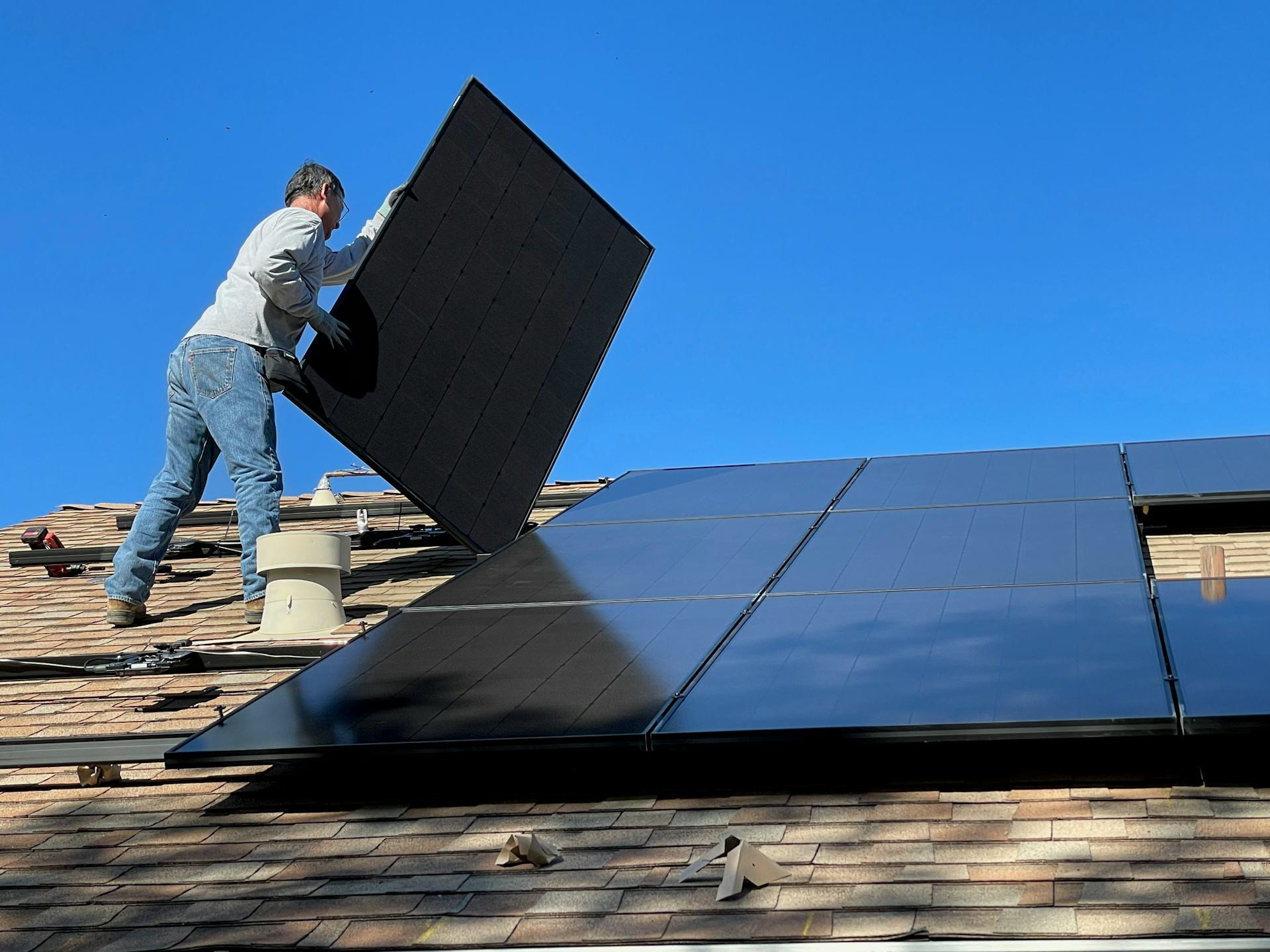
A solar system generally consists of solar panels, an inverter, and other components that work together to convert sunlight into usable electricity. When sunlight hits the solar panels, it generates direct current (DC) electricity. This DC electricity is then converted into alternating current (AC) electricity by the inverter, making it usable for home appliances. Understanding these components is crucial for recognizing how solar energy systems operate.
Types of Solar Systems
There are primarily three types of solar systems that homeowners can consider:
- Grid-Tied Solar Systems: These systems are connected to the local power grid. They allow homeowners to draw electricity from the grid when needed while feeding excess power back during peak production times. This setup can significantly lower energy bills.
- Off-Grid Solar Systems: Designed for locations without grid access, off-grid systems rely solely on solar power. They typically include battery storage, which stores excess energy for use during cloudy days or at night.
- Hybrid Solar Systems: Combining features of both grid-tied and off-grid systems, hybrid systems offer flexibility. They can connect to the grid and have battery storage, providing a backup power source while still allowing for grid interaction.
Benefits of Solar Energy for Residences
The advantages of installing a solar system in residential areas are numerous. Here are some key benefits:
- Cost Savings: One of the most significant benefits is the reduction in electricity bills. Homeowners can save thousands over the lifespan of a solar system, especially as energy prices rise.
- Environmental Impact: Solar energy is a clean, renewable resource. By utilizing solar systems, homeowners reduce their carbon footprint and contribute to the fight against climate change.
- Energy Independence: Generating your own power decreases reliance on traditional energy suppliers. This independence can offer peace of mind, especially during power outages or price surges.
- Increased Property Value: Homes equipped with solar panels often see a rise in property value. Many buyers view solar energy as an attractive feature, making homes more appealing.
Understanding Solar Panel Types
When considering solar panels, it’s vital to familiarize yourself with the different types available:
- Monocrystalline Panels: Known for their high efficiency and sleek appearance, these panels are made from 100% silicon. They tend to occupy less space but can be more expensive.
- Polycrystalline Panels: Slightly less efficient than their monocrystalline counterparts, polycrystalline panels are made from multiple silicon crystals. They are usually more affordable but require more space for installation.
- Thin-Film Panels: These panels are lightweight and flexible, making them suitable for various surfaces. However, they typically have lower efficiency rates and may require more space compared to crystalline options.
Installation Considerations
Installing a solar system is an investment, and several factors should be considered before proceeding:
- Roof Condition and Orientation: A sturdy roof in good condition is crucial for installation. Additionally, the roofs orientation affects solar production; south-facing roofs typically receive the most sunlight.
- Local Regulations and Incentives: Research state and local regulations regarding solar panel installation. Many areas offer incentives, tax credits, or rebates that can significantly lower the overall cost.
- Choosing a Reliable Installer: It’s important to work with reputable solar installation companies. Look for certified professionals with positive customer reviews and experience in residential installations.
The Future of Solar Energy
As technology advances, the future of solar energy appears bright. Innovations such as improved battery storage and more efficient solar panels promise to enhance solar systems effectiveness and reliability. Residential solar energy is becoming increasingly accessible and affordable, paving the way for greater adoption and integration into daily life.
Solar energy not only offers a sustainable solution for residential energy needs but also empowers homeowners to take control of their energy consumption and costs. As more individuals recognize the advantages of solar solutions, the growth of this renewable energy source will undoubtedly continue to accelerate.