Understanding Appliance Energy Use as Part of the Bigger Picture

Understanding Appliance Energy Use as Part of the Bigger Picture
When we think about household energy use, our minds often go straight to the electricity bill or the air conditioner. But a large share of our daily energy consumption comes from appliances – the fridge, washing machine, dishwasher, and dryer. These are essential for modern living, yet they account for a significant portion of household electricity use. Understanding how they fit into the bigger energy picture is key to living more efficiently and sustainably in Australia’s unique climate and energy landscape.
Energy Ratings – A Helpful Guide, but Not the Whole Story
Most Australians are familiar with the Energy Rating Label – the red and yellow sticker showing how efficient an appliance is. The more stars, the more efficient the product. It’s a great starting point when choosing new appliances, but it doesn’t tell the whole story.
A large fridge with a high star rating can still use more electricity than a smaller, lower-rated model simply because of its size. Similarly, extra features like ice makers or smart displays can increase energy use. So, it’s worth thinking about what you actually need. Buying the right size and avoiding unnecessary extras can save both energy and money over time.
Everyday Habits Matter More Than You Think
Even the most efficient appliance can waste energy if used carelessly. Small changes in daily habits can make a big difference:
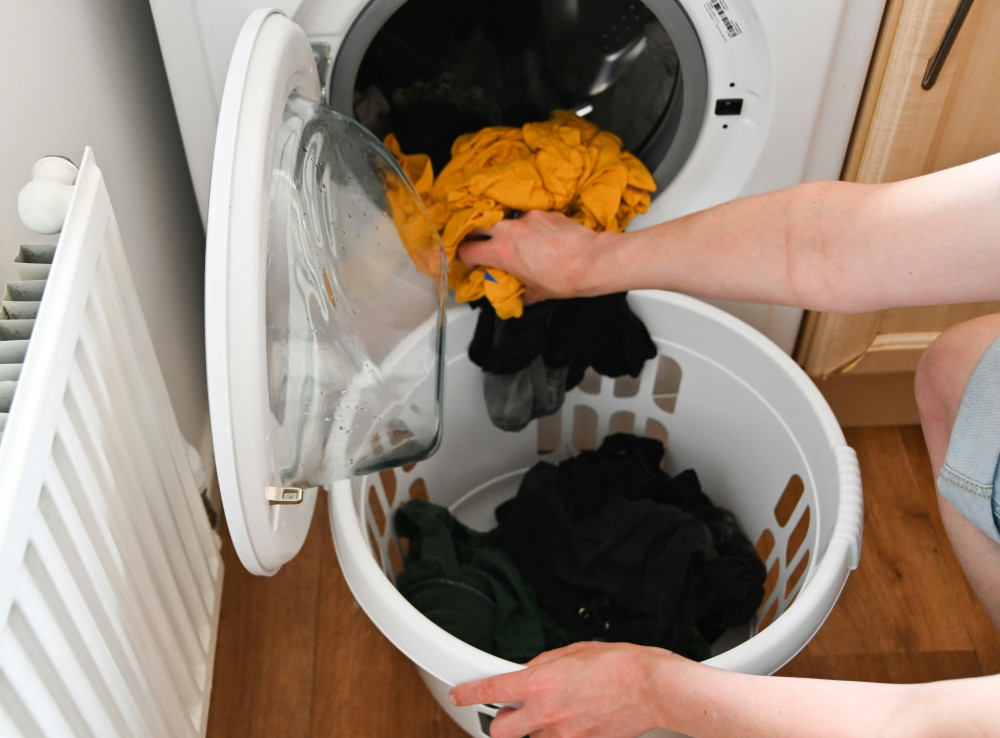
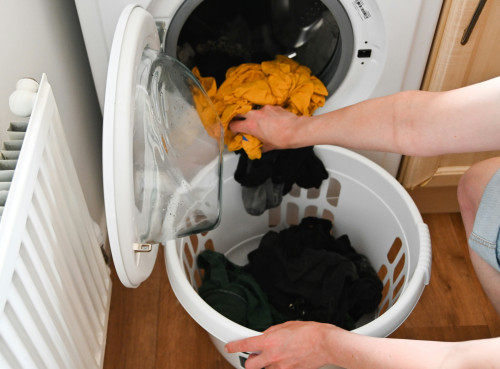
- Run full loads – both washing machines and dishwashers use nearly the same amount of energy whether half-full or full.
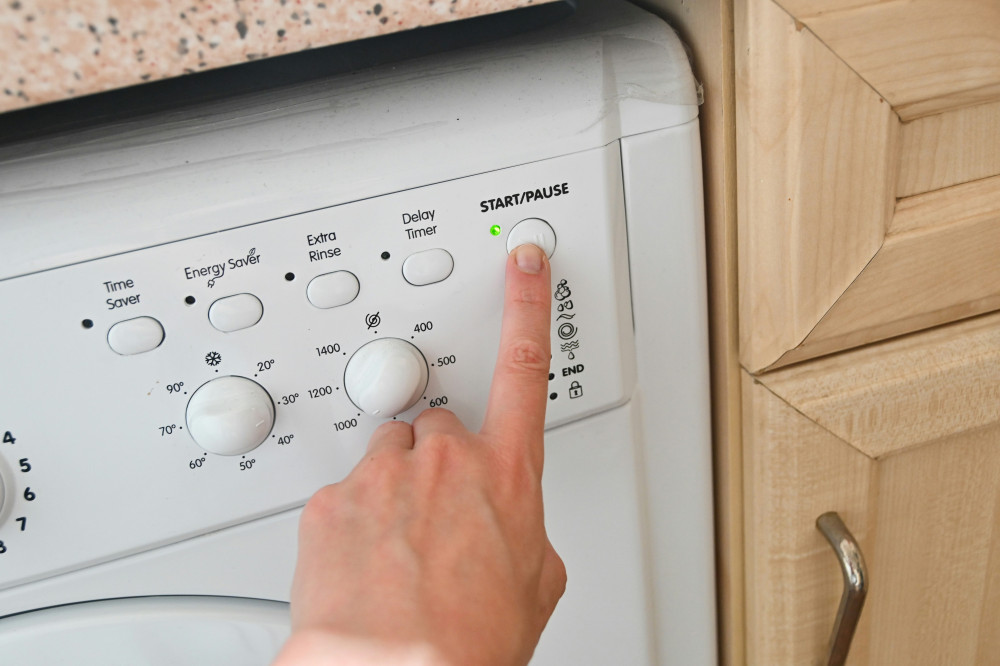
- Wash in cold water – most detergents work well in cold cycles, and heating water is one of the biggest energy costs in laundry.
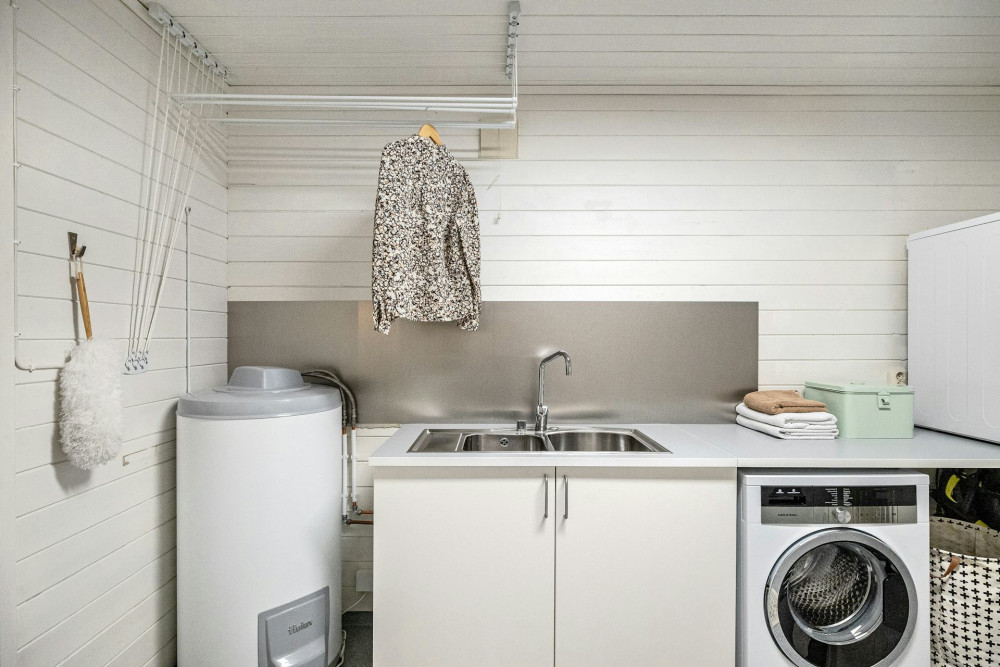
- Air-dry clothes – Australia’s sunny climate makes it easy to skip the dryer whenever possible.
- Switch off at the wall – many appliances draw power in standby mode.
- Keep fridges and freezers clean – dust on coils and ice build-up make them work harder.
These small adjustments cost nothing but can noticeably reduce your electricity bill and environmental footprint.
Maintenance Extends Lifespan and Saves Energy
A well-maintained appliance runs more efficiently. Clean filters, remove lint, and make sure there’s good airflow around your fridge and freezer. A fridge pushed too close to the wall, for example, can use more power because heat can’t escape properly.
Older appliances often lose efficiency over time. Replacing a 15-year-old fridge or washing machine with a modern, energy-efficient model can cut electricity use by up to half. While the upfront cost can seem high, the savings on energy bills often make up for it within a few years.
Think Holistically – Energy Use in Context
Appliance efficiency is just one piece of the puzzle. It doesn’t make much sense to buy the most efficient washing machine if your home’s insulation is poor or if your electricity comes entirely from fossil fuels. On the other hand, combining efficient appliances with solar power, smart energy management, and good habits can dramatically reduce both your energy use and carbon emissions.
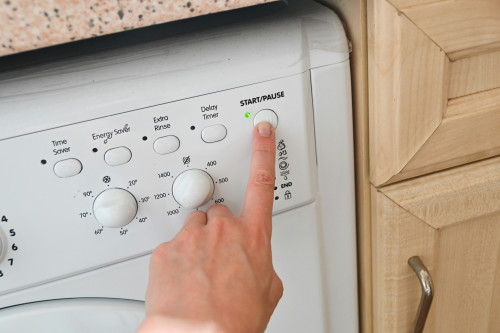
If you have rooftop solar, you can time your washing or dishwashing cycles to run during the day when your panels are generating power. Smart plugs and home energy systems can help automate this, ensuring you use energy when it’s cheapest and cleanest.
Læs også:
The Future of Appliances – Smarter and Greener
Technology is moving fast. New appliances are not only more energy-efficient but also smarter. Many can connect to your home network, adjust their operation based on electricity prices, or even communicate with your solar system. This means energy efficiency in the future will be about more than just choosing the right model – it will be about using technology to manage energy intelligently.
Still, no matter how advanced the technology becomes, our habits remain the deciding factor. The most sustainable energy is the energy we don’t use.
Seeing the Bigger Picture
Understanding appliance energy use as part of the bigger picture means recognising the connection between technology, behaviour, and energy sources. When you choose, use, and maintain your appliances thoughtfully, you’re not just lowering your power bill – you’re contributing to a more sustainable home and a cleaner energy future for Australia.
In the end, it’s the sum of small, everyday choices that makes the biggest difference.
Læs også: