Thinking about renting out your holiday home? Here’s what to consider


Thinking about renting out your holiday home? Here’s what to consider
Renting out your holiday home can be a great way to offset costs like council rates, maintenance, and insurance – and perhaps even earn some extra income. But before you list your property on a booking site, there are a few practical, financial, and legal factors to think about. Here’s an overview of what to consider before welcoming guests to your Australian getaway.
Know the rules and regulations
First things first: make sure you’re allowed to rent out your property. Local councils across Australia have different rules for short-term rentals, and some strata or body corporate by-laws may restrict or prohibit them altogether. In certain areas, you may need to register your property or obtain approval before listing it on platforms like Airbnb or Stayz.
It’s also important to understand the tax implications. The Australian Taxation Office (ATO) requires you to declare rental income, but you can usually claim deductions for expenses such as cleaning, repairs, and property management fees. Keep detailed records of all income and costs, and be aware that if you use the property yourself part of the year, you’ll need to apportion your deductions accordingly.
Choose the right rental approach
There are several ways to manage your holiday rental, depending on how hands-on you want to be.
- Through a property management agency – The agency handles marketing, bookings, guest communication, and cleaning. You’ll pay a commission, but it saves you time and effort.
- Self-management via online platforms – You control pricing, availability, and guest interactions, but you’ll also be responsible for everything from key handovers to maintenance.
- Private rentals to friends and family – A more informal option, but still subject to tax rules if you charge rent.
Think about how much time you can realistically commit and whether you want to treat the rental as a business or a side project.
Check your insurance and safety obligations
Standard home insurance doesn’t always cover short-term rentals. Contact your insurer to confirm that your policy includes cover for guest-related damage, liability, and loss of income if the property becomes uninhabitable. Some insurers offer specific short-term rental policies designed for holiday homes.
Safety is also crucial. Make sure your property meets local safety standards – including working smoke alarms, secure locks, and clear emergency exits. Provide a simple guest guide with emergency numbers, instructions for appliances, and local information. A well-prepared home not only protects you legally but also helps guests feel comfortable and secure.
Prepare your property for guests
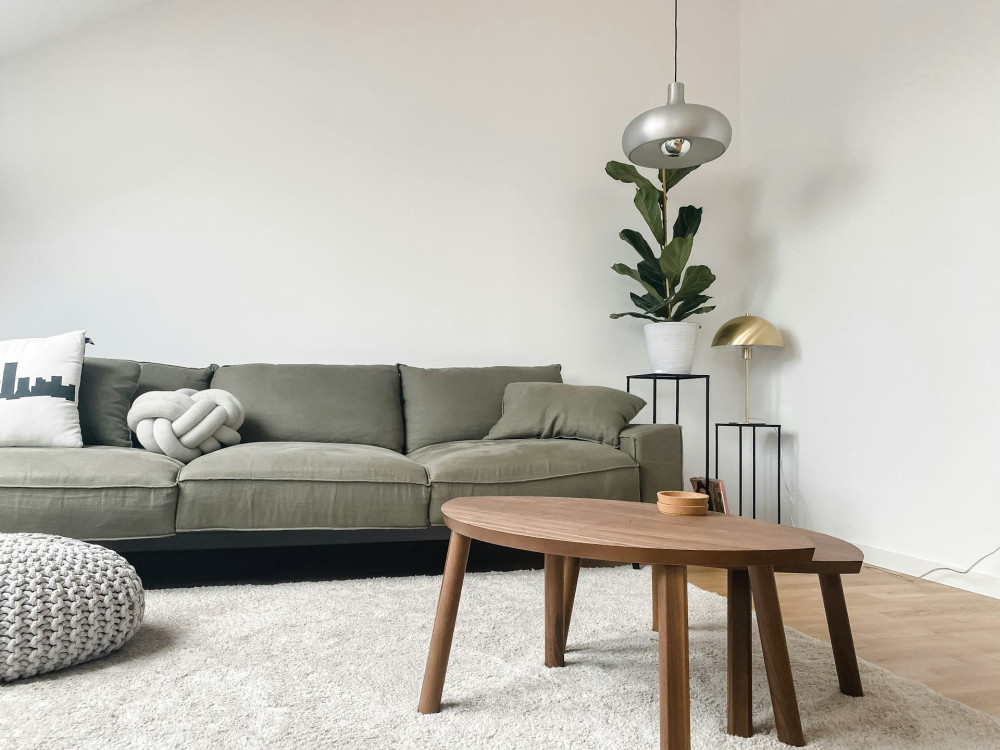
A clean, well-presented home attracts better reviews and repeat bookings. Start with a thorough clean and remove personal items so guests feel at home. Check that everything works – from Wi-Fi and air conditioning to kitchen appliances and outdoor lighting.
Create a checklist for each changeover: fresh linen, towels, toiletries, and basic supplies like tea, coffee, and dishwashing liquid. A small welcome note or local treat can make a big impression and encourage positive feedback.
Set a realistic price
Pricing depends on location, size, amenities, and season. Research similar properties in your area to gauge market rates. Coastal and regional holiday spots often have strong seasonal demand, so consider adjusting your prices for peak and off-peak periods.
If you use a management agency, they can help with pricing strategy. If you manage the property yourself, most online platforms offer tools to track demand and suggest competitive rates.
Keep up with maintenance and responsibilities
Even when you’re not staying there, you’re responsible for keeping the property in good condition. Schedule regular maintenance checks for plumbing, electrical systems, and outdoor areas. If you live far away, consider hiring a local caretaker or cleaner who can respond quickly to issues or emergencies.
Good maintenance not only protects your investment but also ensures guests have a positive experience – which can lead to better reviews and more bookings.
Factor it into your financial planning
Holiday rentals can be financially rewarding, but they also come with costs. Budget for cleaning, utilities, insurance, maintenance, and any management fees. This will give you a clearer picture of your actual profit.
Remember that renting out your property may affect your capital gains tax calculation if you decide to sell later. It’s wise to speak with an accountant or tax adviser to understand the long-term implications.
Læs også:




Creating a great experience for everyone
Renting out your holiday home isn’t just about income – it’s about sharing a space that others can enjoy. Guests who feel welcome and well looked after are more likely to respect your property and leave glowing reviews. With the right preparation and attention to detail, renting out your holiday home can be a rewarding experience for both you and your guests – and a smart way to make the most of your piece of Australia.
Læs også: