Moving House with Pet Allergies – How to Plan Your Move Effectively


Moving House with Pet Allergies – How to Plan Your Move Effectively
Moving house can be stressful at the best of times, but if you or someone in your household suffers from pet allergies, it can add an extra layer of complexity. Pet dander, hair, and allergens from previous occupants’ animals can linger in carpets, curtains, and air vents long after the pets are gone. With some careful planning, however, you can make your move smoother and ensure your new home is a healthy environment from day one. Here’s how to plan your move effectively when allergies are part of the picture.
Start Planning Early
As soon as you know you’ll be moving, start factoring allergy considerations into your plans. This applies both to choosing your new home and to organising the move itself.
- Check the property’s history: Ask the real estate agent or landlord whether pets have lived in the property before. This will help you gauge how much cleaning or renovation might be needed.
- Schedule a deep clean before moving in: Even if the property looks spotless, allergens can hide in soft furnishings, air conditioning ducts, and cracks in the floor. Plan time for a thorough clean before you unpack.
- Consider professional cleaning services: Allergy-friendly cleaning often requires specialised equipment such as HEPA-filter vacuums and steam cleaners. Hiring a professional cleaning company experienced in allergen removal can be a worthwhile investment.
The earlier you start planning, the easier it will be to avoid unpleasant surprises on moving day.
Cleaning Before You Move In
A deep clean is essential for creating a healthy indoor environment. Even small amounts of pet allergens can trigger sneezing, itching, or breathing difficulties.
- Vacuum with a HEPA filter: Standard vacuums can release allergens back into the air. Use a model with a HEPA filter to trap fine particles effectively.
- Wipe down all surfaces: Clean walls, ceilings, skirting boards, and window frames with a damp cloth to remove dust and residual pet hair.
- Clean or replace flooring: Carpets are often the biggest culprits when it comes to trapped allergens. If possible, remove them entirely or have them professionally cleaned.
- Air out the property: Open windows regularly in the first few weeks. Fresh air helps reduce allergen levels and clears out any chemical residues from cleaning products.
If you’re renting, it’s a good idea to document your cleaning efforts with photos. This can be useful if questions about the property’s condition arise later.
Packing and Moving Without Triggering Allergies
Moving day itself can stir up dust and allergens, especially if you’re collecting items from a home where pets have lived.
- Wear gloves and a mask: This helps protect you from dust and allergens while handling boxes and furniture.
- Clean furniture before moving: Wipe down surfaces and vacuum upholstered items thoroughly. Consider professional cleaning for pieces that have been in contact with pets.
- Use sealed containers: Pack belongings in plastic tubs or tightly closed boxes to prevent dust and hair from spreading during transport.
- Keep the allergic person away on moving day: If possible, have someone else manage the physical move while the person with allergies stays elsewhere until the new home is ready.
Small precautions can make a big difference in how your body reacts to the move.
Furnishing with Allergy-Friendly Materials
Once you’re settled in, think about furnishing your home in a way that minimises allergens. This will make daily life more comfortable and reduce the risk of flare-ups.
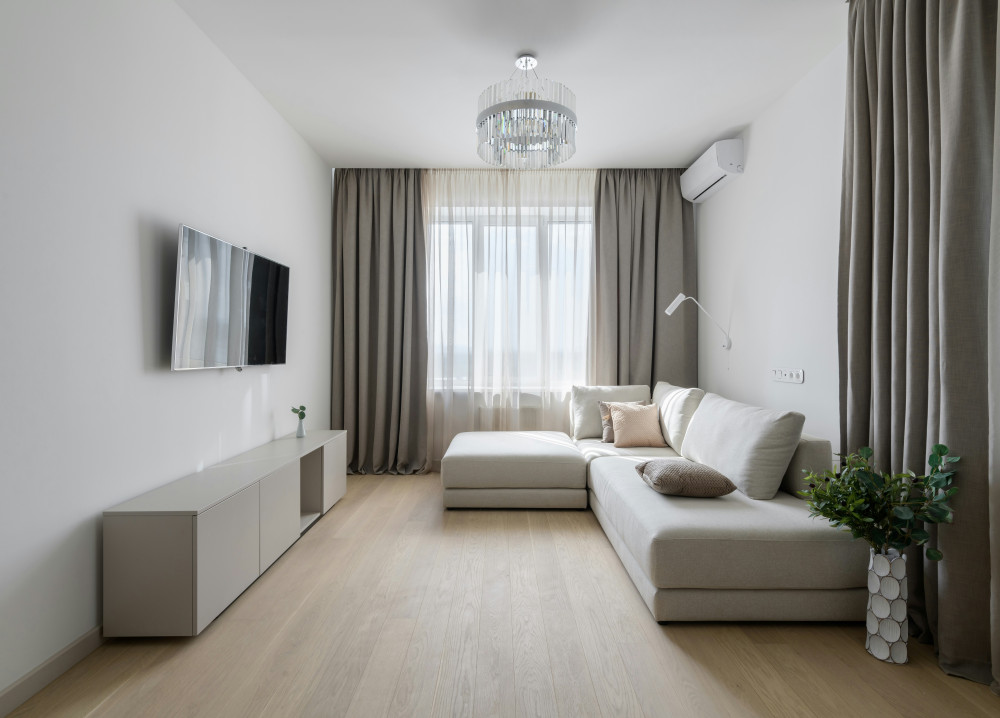
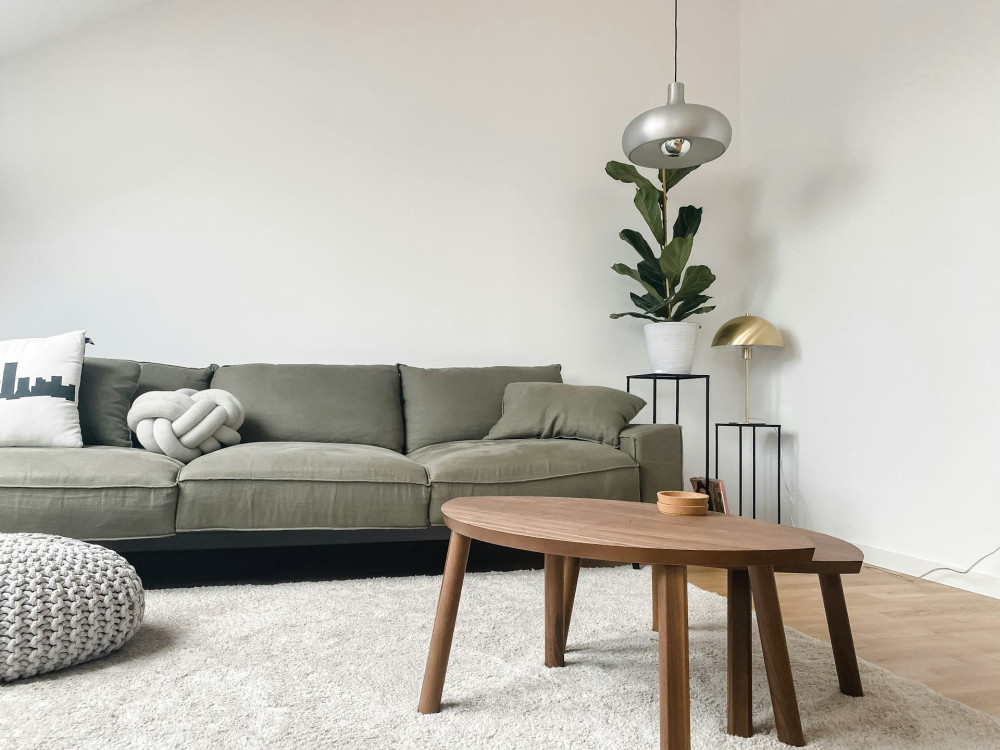
- Choose hard flooring over carpet: Timber, vinyl, or tile floors are easier to clean and don’t trap allergens.
- Opt for washable fabrics: Use lightweight, washable curtains and bedding that can be cleaned regularly at high temperatures.
- Keep décor simple: Avoid heavy drapes and clutter that collect dust. Choose low-pollen indoor plants or artificial alternatives.
- Invest in an air purifier: A quality air purifier with a HEPA filter can significantly reduce airborne allergens and improve air quality.
An allergy-friendly home takes a bit of extra thought, but it pays off in comfort and wellbeing.
Moving from a Home with Pets
If you’re moving from a home where you’ve had pets but are relocating to a pet-free environment—perhaps to live with a partner or roommate who has allergies—it’s important to minimise the allergens you bring with you.
- Wash all clothing and bedding thoroughly.
- Have furniture and rugs professionally cleaned.
- Consider leaving behind or replacing items that have been in close contact with your pets.
Pet hair and dander can cling to fabrics for months, so a deep clean is essential for a fresh start.
Læs også:




A Healthy Home from Day One
Moving house with pet allergies requires a bit more preparation, but it’s entirely possible to create a comfortable, allergen-reduced home. With early planning, thorough cleaning, and smart material choices, you can make your new space a safe and welcoming environment.
The key is to treat allergy management as part of your moving plan—not as an afterthought. That way, your move won’t just be a change of address, but a fresh, healthy beginning for everyone in your household.
Læs også: