How to Clean Ceramic Wall Art Without Damaging the Surface

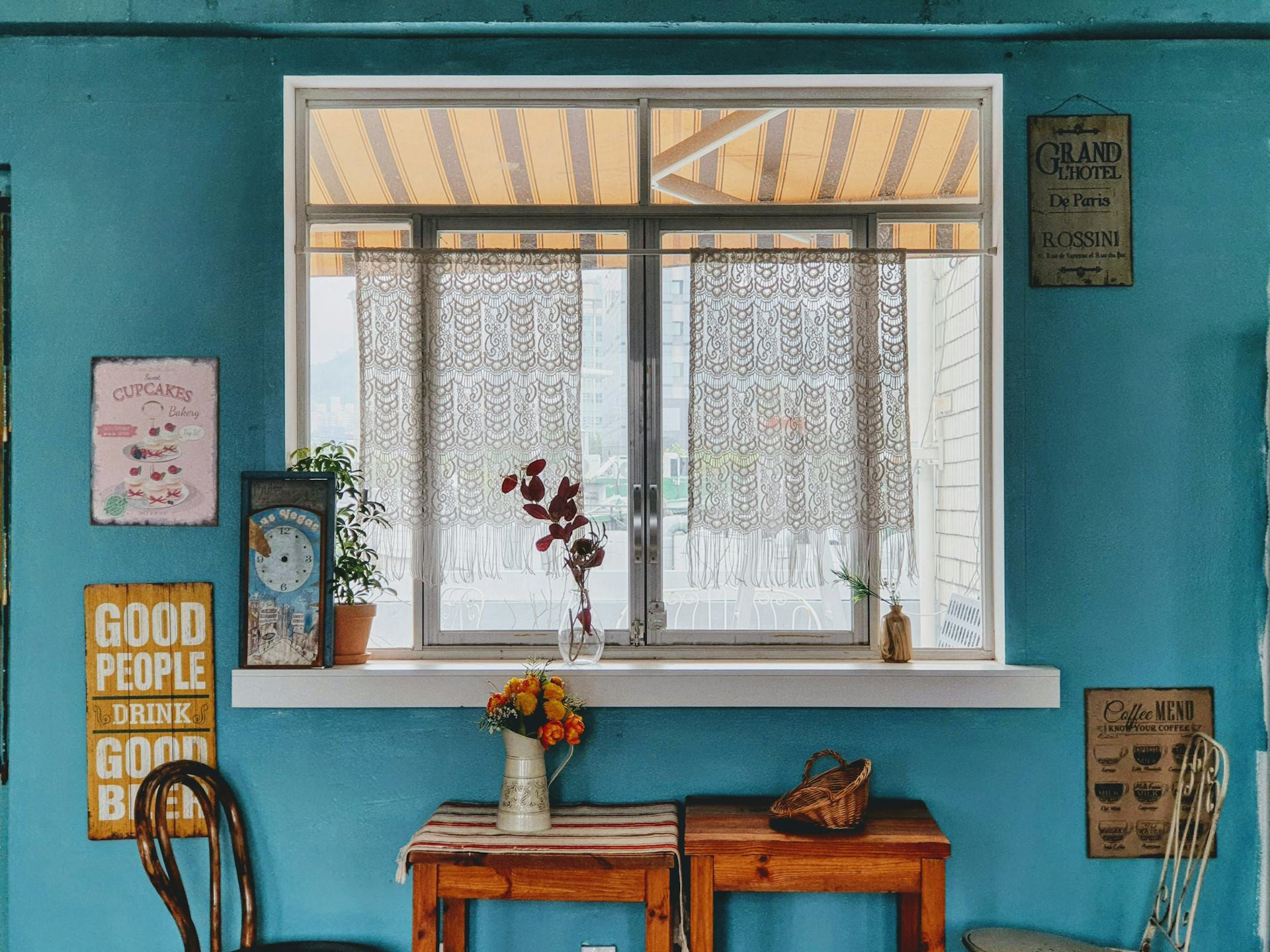
How to Clean Ceramic Wall Art Without Damaging the Surface
Ceramic wall art adds warmth, texture, and personality to Australian homes — from coastal-inspired pieces in beach houses to bold, sculptural works in modern interiors. But ceramic surfaces can be delicate, and cleaning them the wrong way can easily cause scratches, dullness, or discolouration. Here’s a practical guide to keeping your ceramic wall art looking its best without risking damage.
Understand the Material Before You Start
Not all ceramics are the same. Some pieces are fully glazed and shiny, while others have matte or partially unglazed finishes. The type of surface determines how you should clean it.
- Glazed ceramics have a smooth, glass-like coating that resists moisture and can be wiped gently with a damp cloth.
- Unglazed or partially glazed ceramics are porous and can absorb water or cleaning products, so they require extra care.
- Textured or sculptural ceramics often collect dust in crevices and need a more delicate approach.
If you’re unsure which type you have, gently run your fingers over the surface. Glazed ceramics feel cool and smooth, while unglazed ones feel slightly rough or warm to the touch.
Dust Regularly
The easiest way to preserve ceramic wall art is to prevent dust and grime from building up. Light, regular dusting is far safer than occasional deep cleaning.
- Use a soft duster or microfibre cloth to remove surface dust.
- For detailed areas, use a soft, dry brush such as a clean makeup brush or small artist’s brush.
- Avoid using a vacuum cleaner’s brush attachment unless you can control the suction — it can be too strong and may loosen delicate parts.
Make it a habit to dust your ceramic pieces about once a month. It only takes a few minutes and helps maintain their original finish.
Clean Gently With Minimal Moisture
If your ceramic wall art has greasy marks or stubborn dirt that won’t come off with dry dusting, you can use a slightly damp method — but proceed carefully.
- Use lukewarm water and, if needed, add a drop of mild, pH-neutral dishwashing liquid.
- Dampen a soft cloth — it should be barely moist, not dripping wet.
- Wipe the surface gently, avoiding any vigorous rubbing.
- Dry immediately with a clean, dry cloth to prevent water spots.
Never spray water or cleaner directly onto the artwork, and don’t let moisture sit on the surface. In humid Australian climates, trapped water can lead to staining or fine cracks over time.
Common Mistakes to Avoid
Even small missteps can cause lasting damage. Keep these points in mind:
- Avoid harsh cleaners, vinegar, or alcohol. They can etch or dull the glaze.
- Don’t use abrasive cloths or sponges. Even some microfibre cloths can scratch glossy finishes.
- Never soak ceramic pieces in water. Porous ceramics can absorb moisture, weakening the material.
- Beware of temperature shock. If your artwork hangs in a cool room, don’t clean it with hot water — sudden temperature changes can cause cracking.
When in doubt, always test your cleaning method on a small, hidden area first.
Dealing With Stubborn Stains
Sometimes, ceramic wall art can develop stains from candle soot, kitchen grease, or other residues. Handle these carefully:
- Wax: Let it harden completely, then gently lift it off with a fingernail or wooden stick — never use metal tools.
- Smoke or grease: Wipe gently with a barely damp cloth and mild soap solution, then dry immediately.
- Mineral or water stains: These are best treated by a professional conservator, as common cleaning agents can damage the glaze.
Læs også:

When to Seek Professional Help
If your ceramic wall art has significant value — whether sentimental or financial — it’s worth consulting a ceramic conservator or restoration specialist before attempting any deep cleaning. Professionals have access to specialised tools and materials that can safely remove stains or repair damage.
Keep Your Ceramic Art Beautiful for Years
With a little care and attention, ceramic wall art can last for generations. The golden rule is simple: less is more. Dust regularly, use minimal moisture, and avoid harsh chemicals. By following these steps, you’ll preserve the colour, texture, and shine of your ceramic pieces — ensuring they continue to bring beauty and character to your home for many years to come.
Læs også: