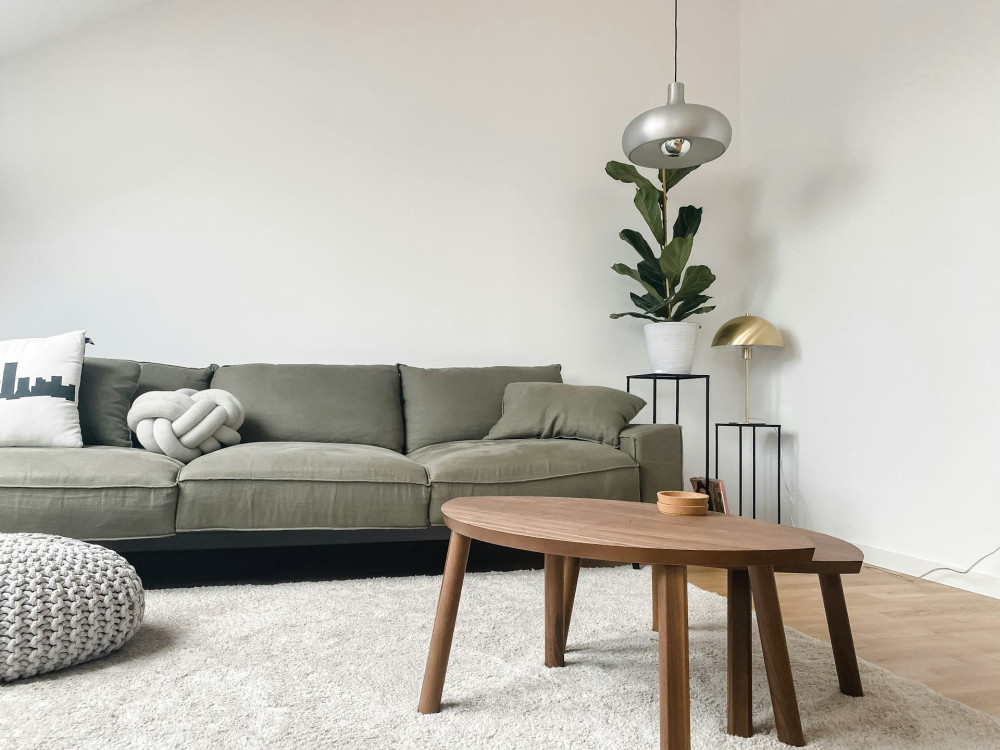
Ensure effective ventilation around lights and fittings

Ensure effective ventilation around lights and fittings
When installing lights and fittings in your home, it’s easy to focus on style, brightness, and placement – but ventilation around them is just as important. Without proper airflow, heat can build up, shortening the lifespan of your lights and increasing the risk of overheating. Here’s a practical guide to help you ensure effective ventilation around your lights and fittings – whether they’re in your living room, kitchen, or outdoor entertaining area.
Why ventilation matters
All lights generate heat when switched on. Halogen and LED fittings with built-in drivers can become surprisingly warm if they don’t have enough air circulation. Overheating can lead to:
- Shorter lifespan for bulbs and electronic components
- Discolouration of ceilings, walls, or fittings
- Increased fire risk, especially in enclosed ceiling spaces or with recessed downlights
Good ventilation isn’t just about comfort – it’s about safety and efficiency. A well-cooled light fitting uses energy more effectively and lasts longer.
Recessed downlights need special attention
Recessed downlights are popular in Australian homes for their clean, modern look. However, because they sit inside the ceiling, heat can easily become trapped.
When installing downlights, always:
- Use approved mounting boxes or spacers that allow air to circulate around the fitting.
- Follow the manufacturer’s instructions for minimum clearance from insulation and ceiling materials.
- Avoid covering downlights with insulation, unless they are specifically rated as “IC” (insulation contact) or “IC-F” compliant.
If you’re unsure, a licensed electrician can check that your installation is safe and properly ventilated. In many Australian states, electrical work must be carried out by a qualified professional, so it’s worth getting expert advice.
Surface-mounted lights and pendants
Even lights that hang freely benefit from good airflow. Make sure there’s a small gap between the fitting and the ceiling so heat can escape.
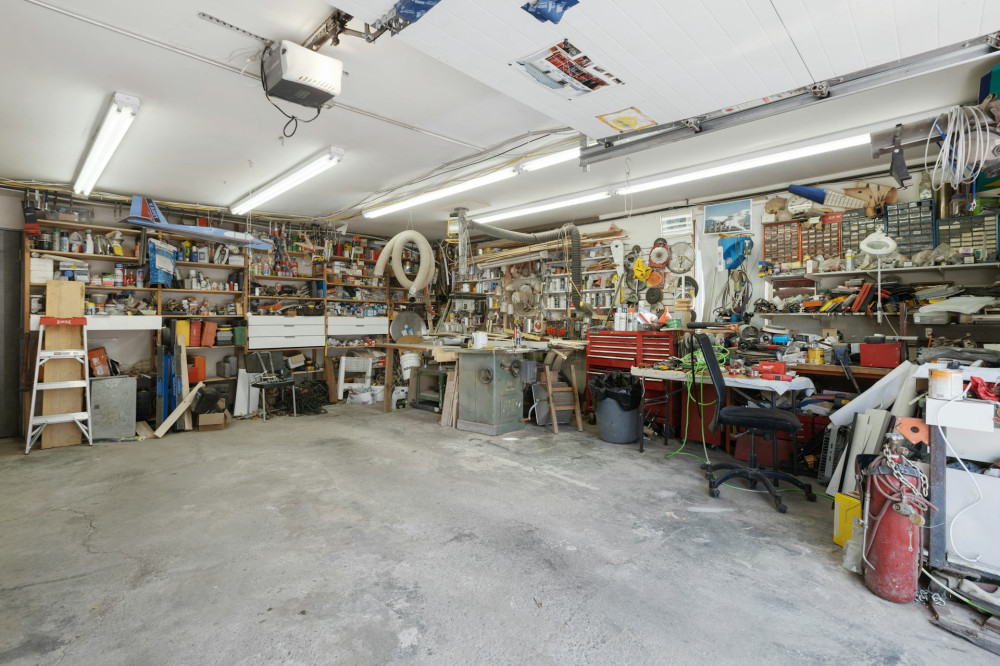
In kitchens and workshops, where fittings are often close to cupboards or shelves, consider lights with built-in heat sinks or metal housings that help dissipate heat.
If you’re using LED fittings, remember that drivers and transformers also generate heat. They should be placed where they can “breathe” – not wedged behind panels or inside sealed boxes.
Ventilation in bathrooms and wet areas
In bathrooms and other wet areas, ventilation plays a dual role: removing moisture and dispersing heat from lights. Australian electrical standards specify how close lights can be to water sources, so always choose fittings with the correct IP rating for their location.
Ensure your exhaust fan is working effectively. A good ceiling fan not only prevents foggy mirrors but also helps keep the temperature around your lights down.
Læs også:


Materials and designs that improve cooling
Some fittings are better designed to handle heat than others. Look for:
- Metal housings or aluminium heat sinks that draw heat away.
- Open designs that allow air to circulate freely.
- LEDs with external drivers, so heat doesn’t build up in one spot.
Avoid painting or covering ventilation holes in fittings – even a thin layer of paint can reduce cooling efficiency.
Maintenance and cleaning
Dust and grime act as insulation, trapping heat. Clean your lights and fittings regularly, especially in kitchens and outdoor areas where grease and dust accumulate quickly.
Always switch off the power before cleaning, and use a dry or slightly damp microfibre cloth. Avoid harsh cleaners that could damage surfaces or seep into electrical components.
A small effort with big benefits
Ensuring effective ventilation around your lights and fittings doesn’t require major work – often it’s just about giving heat a way to escape. The result is longer-lasting lights, lower energy use, and a safer home.
When planning your lighting, think about ventilation from the start. It’s a simple step that pays off in safety, efficiency, and comfort – and helps your home stay bright and cool for years to come.
Læs også: