Create Depth in the Bedroom with Textures and Materials


Create Depth in the Bedroom with Textures and Materials
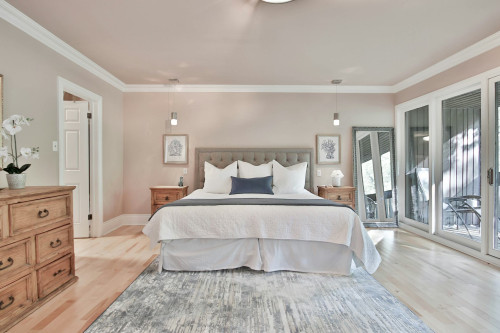
A bedroom should be more than just a place to sleep – it should be a space that feels calm, inviting, and uniquely yours. One of the most effective ways to achieve this is by layering textures and materials. When you combine different surfaces, fabrics, and finishes, you create visual and tactile depth that brings warmth and personality to the room. Here’s how to use texture and material contrasts to give your bedroom a sense of balance and character – with a touch of Australian style.
Start with the foundation – walls and floors
Your walls and floors set the tone for the entire space. For a relaxed and grounded atmosphere, choose matte wall colours in warm neutrals such as sand, clay, or soft eucalyptus green – shades that echo the Australian landscape. These tones create a calm backdrop that allows your textures to shine.
Consider the wall finish too: limewash paint, textured wallpaper, or timber panelling can add subtle depth. On the floor, natural timber with visible grain or a woven jute rug can bring warmth and a tactile quality that feels both coastal and contemporary. If you prefer something softer underfoot, a wool-blend carpet in a neutral tone will add comfort and insulation.
Layer your textiles
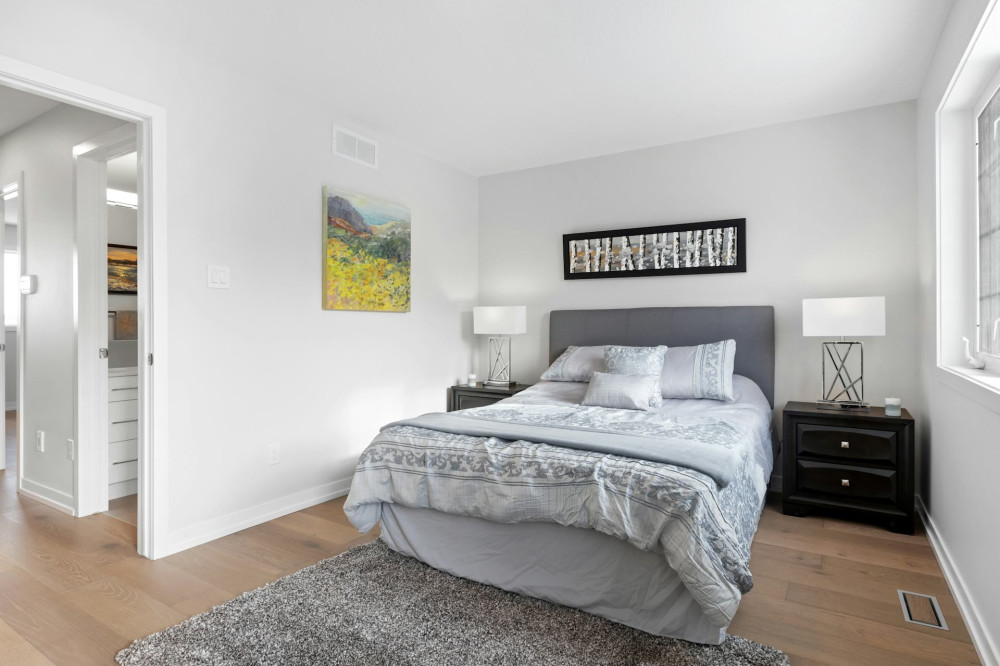
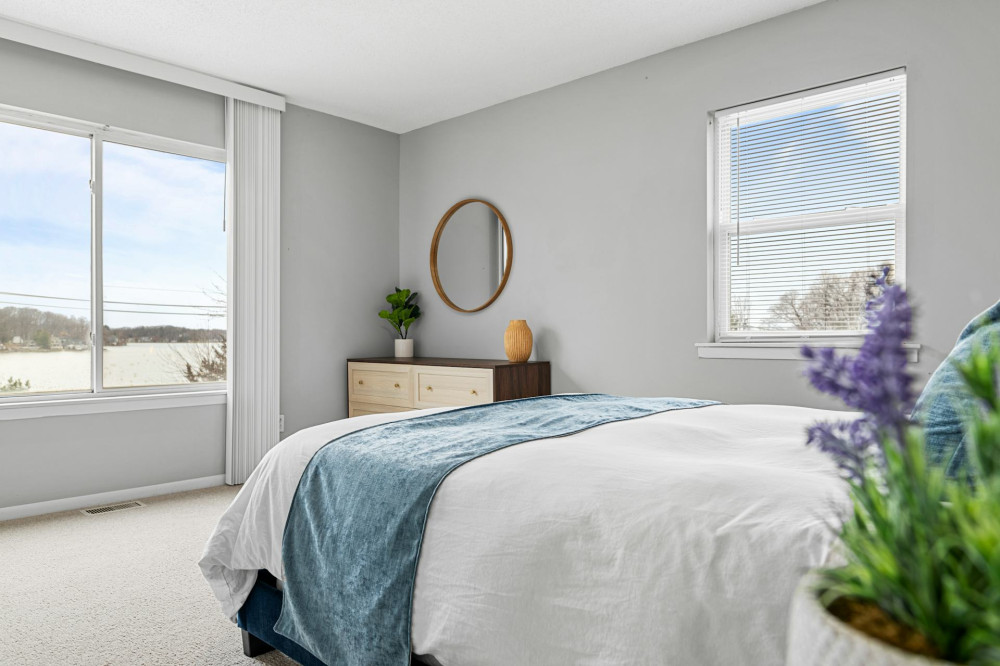
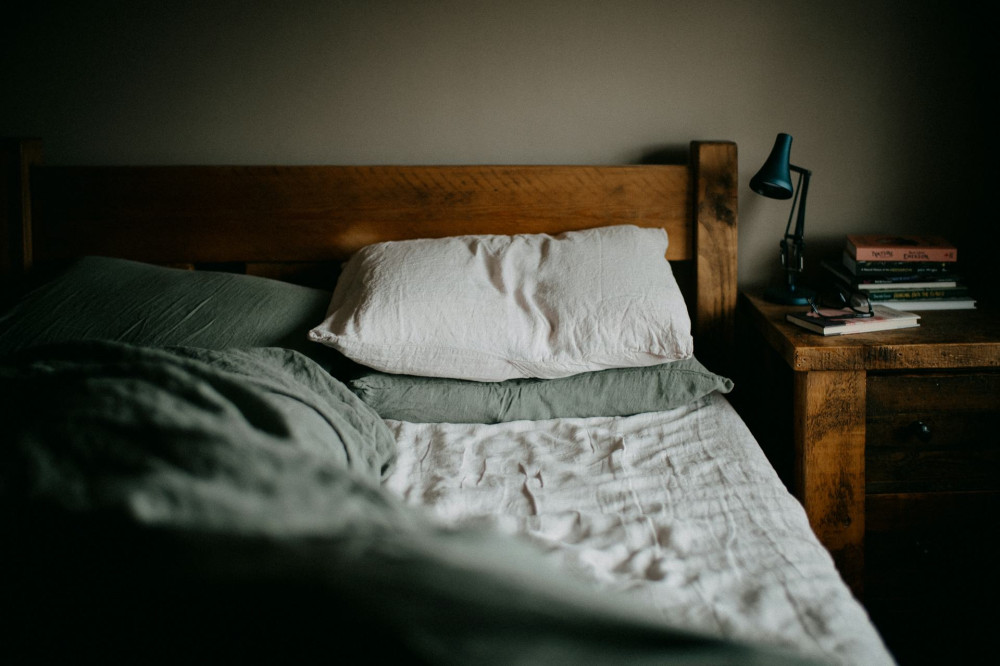
Textiles are the easiest way to introduce softness and variety. Start with quality bedding – linen is a favourite in Australian homes for its breathability and relaxed look, perfect for the climate. Add layers with throws, quilts, and cushions in different textures: think a chunky knit throw paired with smooth cotton or velvet cushions.
Mixing materials like linen, silk, and wool creates a sense of richness without feeling heavy. Curtains also play a big role – sheer linen drapes let in natural light during the day, while heavier fabrics like velvet or cotton canvas can make the room feel cocooning at night.
Furniture with personality
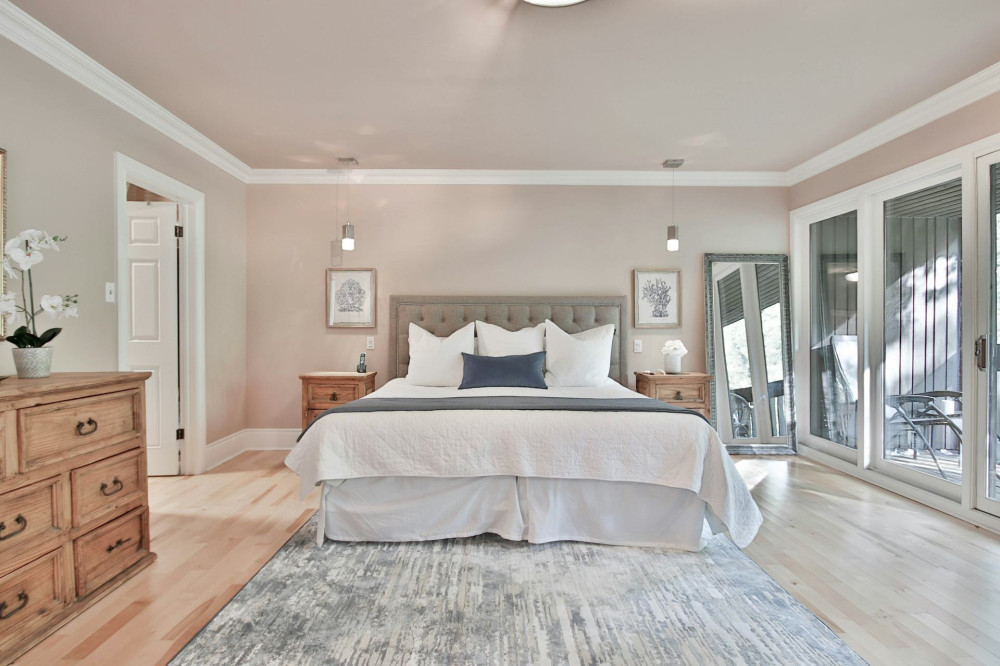
When choosing furniture, look for pieces that complement each other without being too matchy. A timber bedside table can sit beautifully beside an upholstered bedhead, while a rattan chair or leather bench adds a natural, tactile element.
Materials with a bit of character – such as reclaimed wood, brushed metal, or handmade ceramics – bring authenticity and a lived-in feel. The goal isn’t perfection but harmony: let each piece contribute its own story and texture to the space.
Læs også:

Light and atmosphere
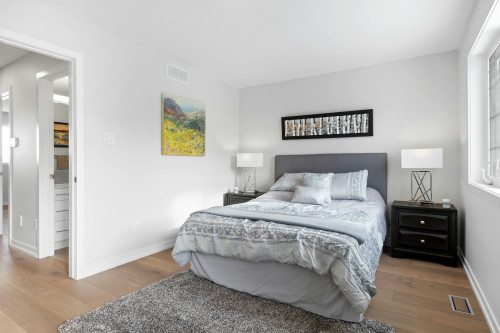
Lighting has a huge impact on how textures are perceived. Soft, warm light enhances depth and creates a soothing mood. Use a mix of light sources: a ceiling light for general illumination, bedside lamps for reading, and smaller accent lights to highlight artwork or decorative objects.
Choose lamp materials that complement your textures – a linen or paper shade diffuses light gently, while a glass or metal lamp adds a crisp contrast. In Australia’s bright climate, consider dimmable lighting to easily shift from daylight brightness to evening calm.
Details that tie it all together
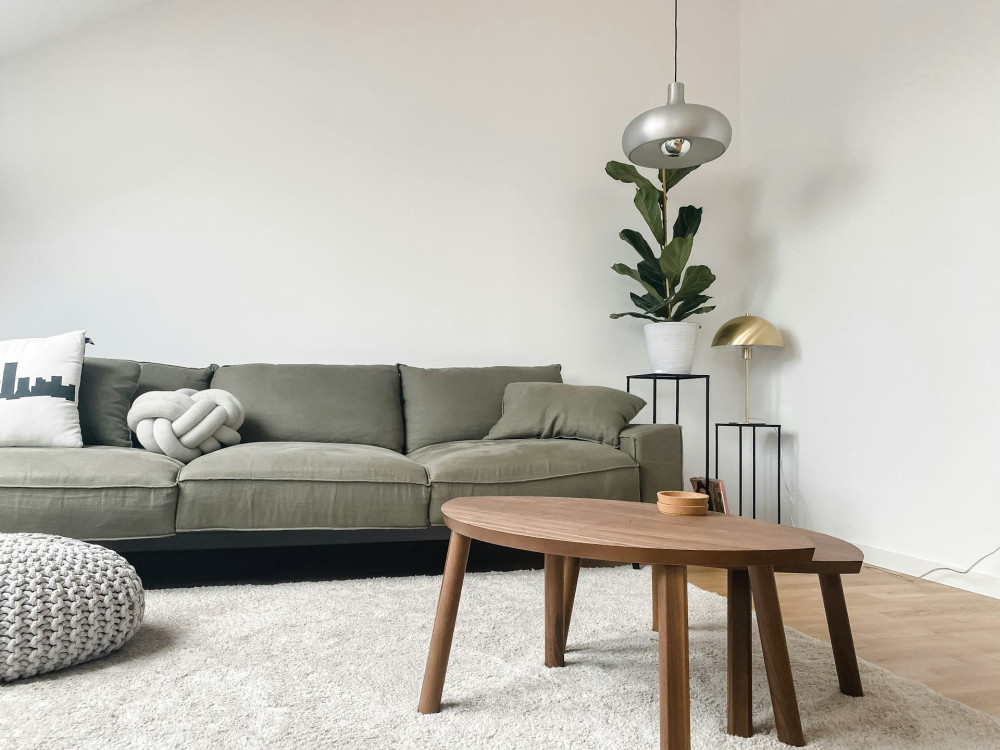
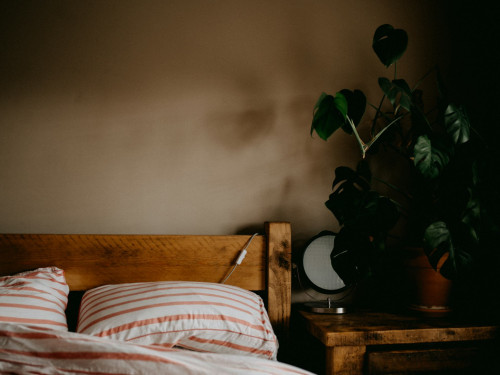
It’s often the small details that make a room feel complete. A ceramic vase with a rough finish, a mirror framed in natural timber, or a marble tray on the bedside table can all add layers of interest. Indoor plants are another simple way to introduce life and texture – trailing greenery or sculptural leaves soften the lines of furniture and bring a touch of nature indoors.
Think about balance: pair smooth with rough, warm with cool, matte with glossy. When these contrasts are in harmony, the room feels both cohesive and dynamic.
Make it your own
There are no strict rules for creating the perfect bedroom. What matters most is that the space reflects your personality and the way you want to feel when you wake up and wind down. By thoughtfully combining textures and materials, you can design a bedroom that feels calm, inviting, and distinctly yours – a sanctuary that celebrates comfort, craftsmanship, and the natural beauty of Australian living.
Læs også: