Are you mastering the essential hooks for effective residence design?
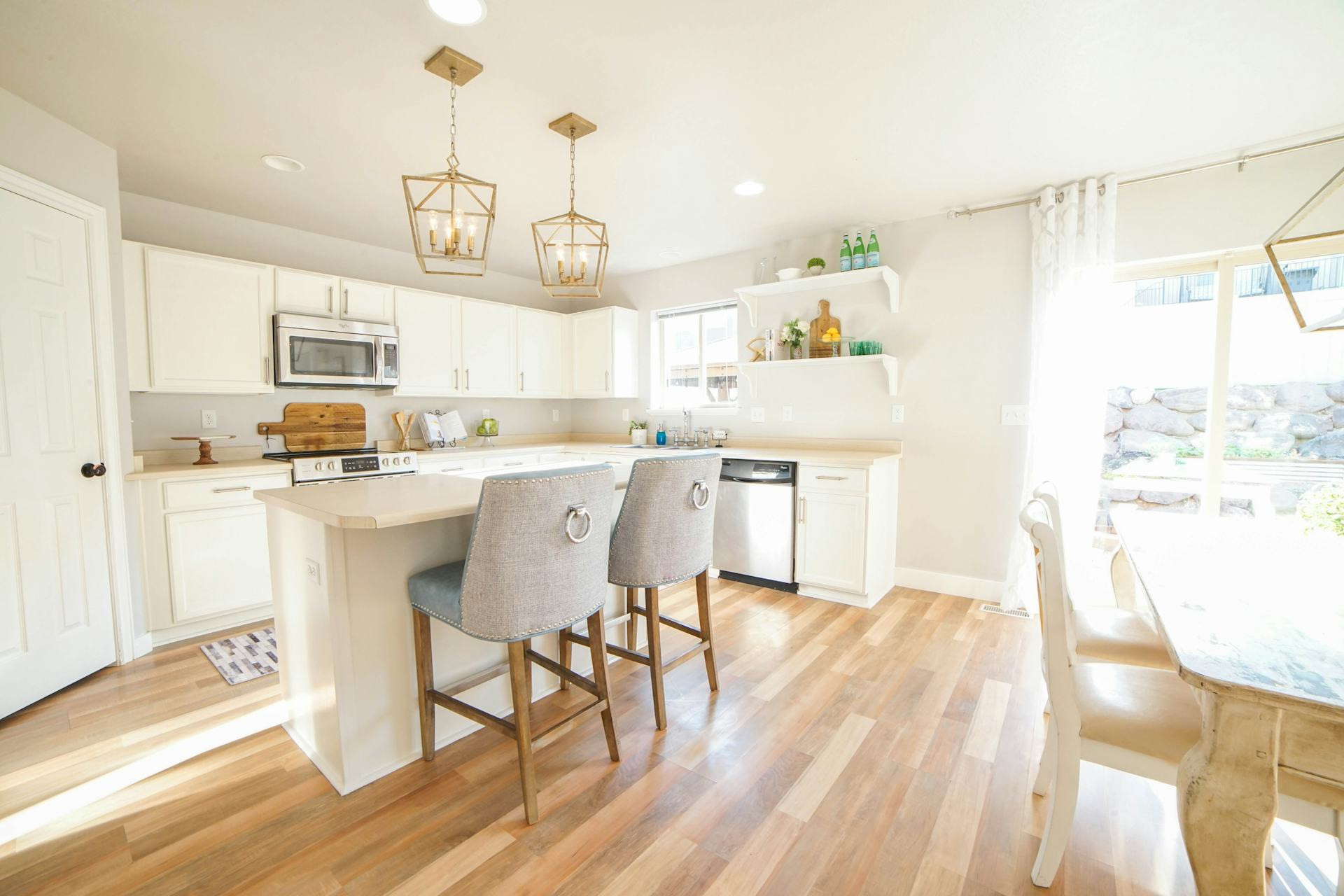
Are you mastering the essential hooks for effective residence design?
Designing a residence is an art and a science. It’s about translating a vision into a living space that reflects your personality while ensuring functionality and comfort. To create a perfect residence, understanding the fundamental hooks that attract and engage is critical. Here, we explore the essential elements of effective residence design.
1. Understanding Your Space
Before diving into design elements, it’s crucial to assess the space you have. Each room has its unique characteristics, dimensions, and potential that can greatly influence the design. Take a moment to consider:
- Natural light—how much do you receive?
- Existing architectural features—what can you highlight?
- The flow between rooms—how will people move throughout the space?
By understanding your spaces limitations and opportunities, you can make informed decisions that enhance its overall aesthetic and functionality.
2. The Importance of Functionality
One of the core principles of effective residence design is functionality. Every zone in your home should serve a purpose, and every piece of furniture should contribute to the overall effectiveness of that zone. Consider the following:
- Furniture arrangement—how can you create an inviting layout?
- Storage solutions—where will you store essential items discreetly?
- Multi-functional spaces—how can you make the most of available square footage?
A well-designed space combines form and function. Prioritize utility to ensure that your residence is not just beautiful but also practical for daily living.
3. Creating a Balanced Aesthetic
Once you establish functionality, it’s time to focus on aesthetics. A balanced aesthetic ties a room together and creates a cohesive atmosphere. Here are elements to consider:
- Color Scheme—choose a palette that harmonizes the room.
- Textures—incorporate various materials for depth.
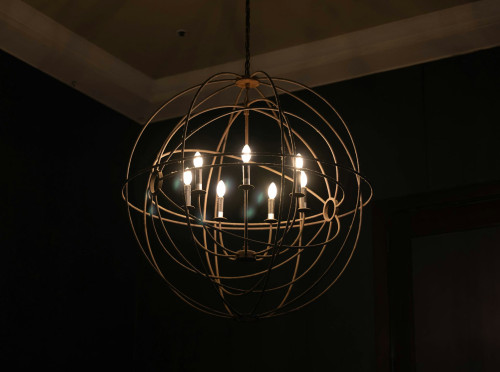
- Lighting—use layered lighting to enhance mood and functionality.
It’s essential to balance visual appeal with comfort. Choose designs that please the eye while still creating a warm, inviting environment.
4. Personalizing Your Space
Your residence is a reflection of who you are. Infusing your personality into design elements makes a space uniquely yours. Consider the following ways to inject personal touches into your residence:
- Art Displays—hang pieces that resonate with you.
- Color Choices—select your favorite hues.
- Unique Finds—incorporate vintage or handmade items that tell a story.
Personalization doesn’t mean overwhelming the space. Subtle touches that hint at your personality can create a warm and charming atmosphere.
5. Emphasizing Sustainability
In today’s world, sustainability has become a fundamental consideration in residence design. Making eco-friendly choices not only benefits the environment but also enhances the quality of life within your home. Here are ways to incorporate sustainability:
- Choose sustainable materials—opt for bamboo, reclaimed wood, or recycled metal.
- Energy-efficient appliances—invest in technology that conserves energy.
- Smart home features—automate lighting, heating, and cooling to reduce waste.
Designing with sustainability in mind doesn’t mean sacrificing style. Many eco-friendly options are both attractive and functional, contributing positively to your living environment.
6. Incorporating Technology
Technology plays a significant role in modern residence design. Incorporating smart technology can improve functionality and enhance the overall living experience. Some considerations include:
- Smart lighting systems—control ambiance with your smartphone.
- Smart security—ensure your residence is secure with advanced monitoring systems.
- Integrated sound systems—create a seamless audio experience in your home.
Keep in mind that technology should complement your design rather than dominate it. Strive for a harmonious integration that serves your lifestyle.
7. Continuous Adaptation
Effective residence design isnt a one-time achievement; it’s an ongoing process. As your lifestyle evolves, so too should your space. Consider revisiting your design decisions periodically and make adjustments that reflect changes in your life. Whether it’s swapping furniture, redecorating a room, or rethinking an entire layout, staying adaptable is key to mastering effective residence design.
By prioritizing elements such as functionality, personalization, sustainability, and adaptability, you can create a residence that is not only aesthetically pleasing but also a true reflection of your way of life.